2026 Top Acoustic Metal Panels What Are the Best Options?
Acoustic Metal Panels are becoming essential in modern architecture and design. These panels effectively enhance sound control in various environments. According to a recent industry report, the global acoustic panels market is projected to reach $1.5 billion by 2026. This growth signifies an increasing awareness of acoustics in public spaces and workplaces.
The application of Acoustic Metal Panels is not limited to aesthetics; they also fulfill crucial functional needs. They can reduce noise pollution in busy urban settings or large commercial areas. However, selecting the best options can be challenging. With numerous products available, how can consumers make informed choices?
Examining the top Acoustic Metal Panels for 2026 allows consumers to understand their options better. Factors to consider include material quality, sound absorption ratings, and installation ease. While many panels promise high performance, not all meet expectations. Some options may fall short under specific acoustic conditions. Understanding these nuances is vital for making the right investment.
Overview of Acoustic Metal Panels and Their Benefits
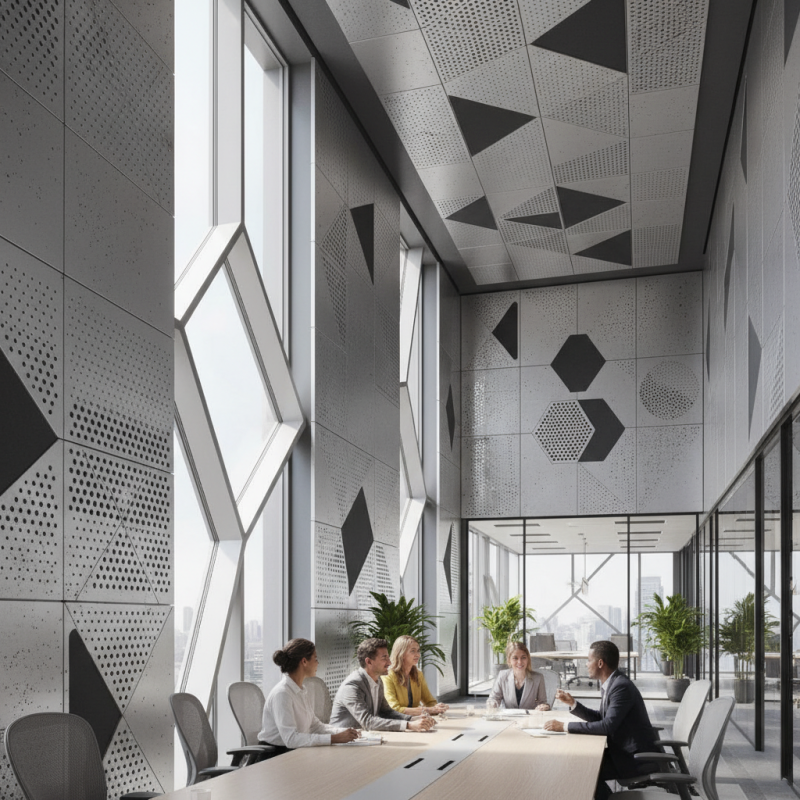
Acoustic metal panels are becoming increasingly popular in various spaces, including offices and concert halls. These unique panels are designed to control sound absorption and reverberation. They serve both functional and aesthetic purposes. With their sleek appearance, they can enhance the visual appeal of a room while improving its acoustics.
The benefits of using acoustic metal panels are numerous. They help reduce noise pollution, creating a more comfortable environment. This is particularly important in areas with high foot traffic or where focus is essential, such as classrooms or open offices. Further, these panels are durable and often resistant to moisture and fire, making them a safe choice. However, the installation process can be complex, requiring careful planning and skilled labor.
Despite their efficiency, not all acoustic metal panels perform equally. Their effectiveness can vary based on thickness, density, and design. You may find that certain styles do not meet your specific acoustic needs. It's crucial to evaluate your space and consider consulting with experts. This way, you can ensure the selected panels will deliver the desired results.
Key Features to Consider When Choosing Acoustic Metal Panels
When selecting acoustic metal panels, key features play a crucial role. Sound absorption rates are essential. Research from the Acoustical Society of America suggests that panels with a NRC (Noise Reduction Coefficient) of 0.75 or higher effectively reduce sound levels. Materials with dense cores tend to provide better sound insulation.
Another consideration is the panel's thickness and density. Thicker panels often enhance sound absorption. A 2019 report from the Building and Construction Authority indicates that panels over 1 inch thick can improve acoustic performance significantly. Color and aesthetics matter as well. Panels come in various finishes, allowing integration into diverse design themes.
Consider ease of installation. Some panels offer peel-and-stick backing, simplifying setup. Durability is another factor. Metal panels should resist corrosion and wear, especially in high-traffic areas. While evaluating options, reflect on your space's unique acoustic needs. Every environment has its quirks. Ignoring these details can lead to less effective sound treatment, prompting a need for further adjustments.
Top Acoustic Metal Panel Brands for 2026
In the landscape of acoustic metal panels for 2026, several brands stand out due to their innovative designs and effectiveness. Acoustic panels are crucial for noise reduction in various environments. A study by the Acoustical Society of America notes that proper panel installation can reduce sound transmission by up to 50%. This statistic highlights the importance of choosing the right materials.
When selecting panels, consider absorption coefficients. High-performing acoustic panels often have coefficients above 0.85. This indicates that they can absorb a substantial amount of sound. Brands prioritizing sustainable materials are gaining traction, reflecting a growing consumer demand for eco-friendly options. Also, the industry's shift toward modular designs allows for easier installation and more customization.
However, not all options suit every space or need. Some users report difficulties achieving the desired sound quality despite high-quality panels. Acoustic treatment requires careful planning and may involve trial and error. It's essential to analyze your specific needs and environment for optimal results. Exploring various brands and their offerings can lead to more informed decisions, ensuring a performance that aligns with your acoustic goals.
Comparative Analysis of Different Acoustic Metal Panel Materials
When exploring acoustic metal panels, material choice plays a crucial role in performance. Various metals offer different sound-dampening qualities. For instance, aluminum is lightweight and resistant to corrosion. It performs well in reducing high-frequency noise. On the other hand, steel is denser and provides superior sound insulation. However, it can be heavier and may require more robust support structures.
Another important option is perforated metal. This material combines aesthetics with functionality. The holes provide a route for sound absorption, helping to control acoustics in various environments. However, the effectiveness depends on the size and pattern of the perforations. Over time, some panels can accumulate dust or grime, impacting their acoustic performance. Regular maintenance is needed to ensure they function properly.
There are also composite materials that blend metals with other substances. These can enhance both durability and sound absorption. Yet, this complexity can complicate installation procedures. Users should consider these factors carefully when selecting the right acoustic metal panel for their projects. Striking a balance between aesthetics and functionality is key, and ongoing evaluation of performance is essential.
2026 Top Acoustic Metal Panels - Comparative Analysis of Different Acoustic Metal Panel Materials
| Material Type | Thickness (mm) | NRC Rating | Weight (kg/m²) | Cost ($/m²) | Durability |
| Aluminum | 12 | 0.85 | 5.5 | 40 | High |
| Steel | 15 | 0.90 | 6.0 | 50 | Very High |
| Copper | 10 | 0.78 | 4.0 | 60 | Medium |
| Zinc | 8 | 0.82 | 3.5 | 30 | High |
| Brass | 10 | 0.80 | 4.5 | 55 | Medium |
Installation Tips and Best Practices for Acoustic Metal Panels
When installing acoustic metal panels, proper preparation is crucial. Ensure the installation area is clean and free from dust. This improves adhesion and sound absorption. Use a stud finder to locate wall studs. This step supports a secure mounting. According to industry standards, panels should be spaced to maximize acoustic performance. A gap of at least an inch between panels often yields better sound diffusion.
Pay attention to the room's layout. Panels placed on opposing walls contribute to balanced acoustics. Corner placement is also effective, often boosting low-frequency absorption. Experts recommend at least 30% of wall space should be covered for optimal results. Each environment is unique, so measuring sound levels before and after installation is beneficial.
Be aware of potential challenges. If panels bow or warp during installation, reassess the wall structure. Sometimes, humidity affects adhesive quality. Even if everything seems perfect, periodic checks are essential. Small adjustments can lead to significant improvements in sound quality. Training your installation team can ensure best practices are followed. Engage professionals when needed to avoid costly mistakes.