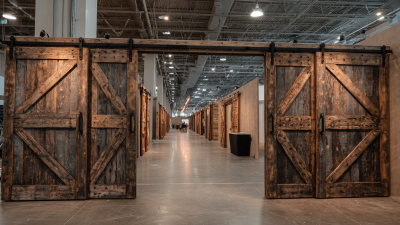
2026 Top Sliding Barn Door Hardware Trends You Should Know?
In recent years, sliding barn door hardware has gained immense popularity. This trend reflects a shift toward open and flexible living spaces. Homeowners appreciate the aesthetic and functional benefits that this unique hardware offers.
As we approach 2026, it’s crucial to stay informed about the latest styles and innovations. The variety of materials, finishes, and mechanisms makes choosing the right sliding barn door hardware both exciting and challenging. It requires careful consideration of your home’s design and your personal taste.
While many embrace the modern twist on traditional designs, finding the perfect combination can be daunting. With an array of choices available, some may feel overwhelmed. This article explores emerging trends that can help streamline your decision-making process. Understanding these trends allows for informed and inspiring design choices.
Top 2026 Trends in Sliding Barn Door Hardware Design
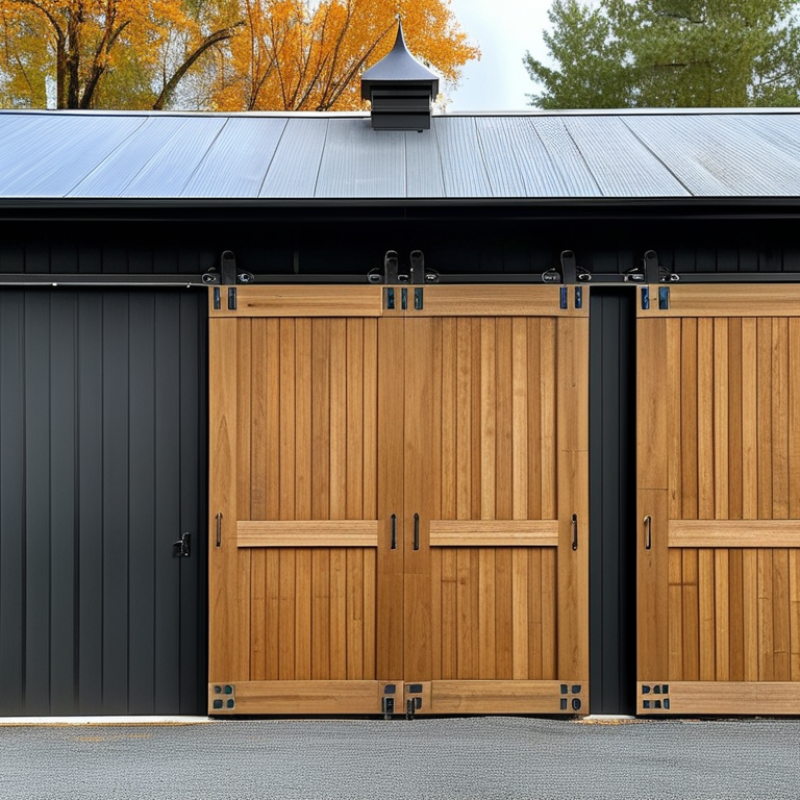
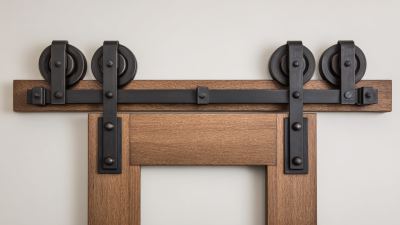
The sliding barn door hardware sector is evolving rapidly. In 2026, minimalist designs are becoming palate-pleasing choices. Reports suggest that around 45% of homeowners now prefer simple, clean lines over ornate fixtures. This shift highlights a desire for functional beauty. Hardware made from raw materials like steel and wood adds a rustic charm.
Moreover, customization is growing in popularity. Nearly 40% of consumers express interest in tailored options, particularly finishes and colors. This trend empowers individuals to express their style. However, there's a caution; over-customization can lead to a mismatch with existing decor. Many experts stress the importance of maintaining harmony in design. Balancing innovative features with traditional aesthetics remains a challenge.
Sustainability is another key focus. Research shows that 60% of buyers are looking for eco-friendly materials. Brands are increasingly using recycled metals and sustainable woods. Yet, sourcing these materials can be time-consuming. The transition to greener options demands patience and thoughtful planning. Industry professionals emphasize a careful selection process to ensure quality while honoring eco-friendly commitments.
Innovative Materials for Sliding Barn Door Hardware in 2026
The landscape of sliding barn door hardware is evolving, particularly with innovative materials. In 2026, industry experts predict a sharp increase in the use of sustainable materials. According to a recent report by the Sustainable Building Council, around 47% of consumers prefer eco-friendly options for home fixtures, driving designers to explore unique materials.
Metal remains a popular choice. However, wood and composite materials are gaining traction. Reports suggest that 35% of new hardware designs will incorporate recycled wood. This shift not only meets aesthetic demands but also reduces the carbon footprint of production. Designers are focusing on durability while combining stylish elements.
Moreover, emerging technologies like 3D printing allow custom designs. This flexibility can lead to unique hardware shapes, appealing to a more diverse market. Still, challenges exist. Some consumers question the longevity of printed materials. It raises critical discussions about balancing novelty and durability in design. Engaging with these trends can enhance home aesthetics while considering environmental impact.
Popular Color Schemes and Finishes for Barn Door Hardware
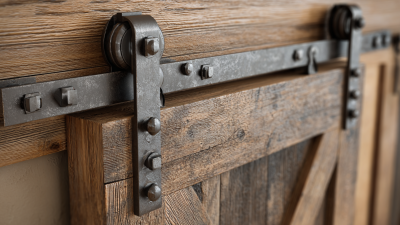
When it comes to barn door hardware, the color and finish play a crucial role in creating unique aesthetics. In 2026, the trend has shifted toward earthy tones and textured finishes that resonate with nature. Experts note that matte black and oil-rubbed bronze carry a timeless appeal. These finishes not only enhance durability but also age gracefully over time, making them popular choices among homeowners.
Research from industry reports indicates that 45% of consumers now prioritize sustainable materials in their home decor. As a result, finishes like brushed nickel that emphasize eco-friendliness have gained traction. Achieving the right balance between visual appeal and sustainability presents challenges. While many homeowners aim for distinct styles, the availability of eco-friendly options can feel limited.
Moreover, the demand for custom finishes continues to rise, reflecting a desire for personalization in home design. Trends indicate that bold colors, such as deep greens and rich blues, are emerging in the barn door hardware market. However, selecting a finish that complements existing decor can be daunting. Choosing hardware can evoke uncertainty, with decisions often leading to second-guessing. The ongoing evolution in design preferences means staying informed is essential for making thoughtful choices.
Functionality Upgrades: Smart Features in Barn Door Hardware
In recent years, sliding barn doors have evolved far beyond their rustic charm. With advancements in technology, barn door hardware now includes smart features that enhance functionality. Imagine a door that can be opened with a simple voice command or smartphone app. These innovations cater to modern lifestyles while maintaining the aesthetic appeal of traditional designs.
Smart locks are becoming increasingly popular in barn door hardware. Homeowners can control access to rooms remotely, adding a layer of security. Motion sensors may also be integrated, allowing doors to automatically glide open as you approach. Yet, these systems can be complex, requiring ongoing maintenance. Connectivity issues can arise, leading to frustrations. The balance between convenience and reliability remains a concern for users.
Additionally, some hardware now includes sound-dampening technology to reduce noise. This can be particularly beneficial in busy households. However, achieving a perfect seal isn’t always guaranteed. Improvements can still be made to prevent unwanted noise. Overall, the integration of smart features into barn door hardware presents exciting possibilities, but it also invites discussions on user experience and long-term dependability.
2026 Top Sliding Barn Door Hardware Trends You Should Know
| Trend |
Description |
Key Features |
Functionality |
| Smart Lock Integration |
Hardware that includes Bluetooth locking systems allowing remote access. |
Remote control, smartphone app access, keyless entry. |
Enhanced security, convenience, and modern lifestyle integration. |
| Automated Opening Mechanism |
Systems that allow doors to open automatically via sensors or apps. |
Motion sensors, wireless connectivity, programmable settings. |
Ease of use for the elderly, hands-free operation. |
| Customizable Aesthetics |
Options for personalized styles, materials, and finishes. |
Variety of wood types, colors, hardware finishes. |
Greater design freedom, alignment with interior themes. |
| Noise Reduction Technology |
Innovative materials that reduce sound when opening/closing. |
Special sliders, sound-dampening materials. |
Increased privacy and comfort in living spaces. |
| Eco-Friendly Materials |
Sustainable options available for hardware and doors. |
Recycled metals, sustainable wood sources. |
Promotes environmental responsibility in home design. |
Eco-Friendly Options in Sliding Barn Door Hardware for 2026
In 2026, eco-friendly sliding barn door hardware trends are shaping the market. Many homeowners are seeking sustainable materials. Recycled metals and reclaimed wood are popular choices for their minimal environmental impact. These materials not only reduce waste but also add unique character to interior designs.
Finding eco-friendly options can be challenging. Look for manufacturers that prioritize sustainability in their production methods. This can include sourcing locally or adopting green manufacturing processes. Mindful purchasing supports environmental efforts while enhancing your home’s aesthetic. Consider finishes that minimize harmful chemicals. Natural oil finishes or water-based paints are safer alternatives.
When selecting hardware, consider the longevity and durability of the materials. Effective use helps reduce the need for replacements. Choosing versatile designs can also extend the lifespan of your decor. Stay clear of overly trendy pieces; they might lack appeal over time. Stay true to your vision and values, ensuring your choices reflect both style and environmental consciousness.