Choosing the right stair balusters in 2026 requires more than comparing finishes and catalogue photos. Global buyers must consider structural strength, spacing, corrosion resistance, installation methods, and long-term maintenance. A matte black metal baluster may suit a modern villa, while a solid oak design can bring warmth to a heritage renovation. The best choice depends on location, traffic, climate, and project budget.
Mark Clement, a professional carpenter and construction educator, offers a practical reminder: “A stair detail must earn its place through strength, fit, and daily use.” That principle guides this overview of the 2026 top stair balusters for global buyers. It encourages buyers to inspect wall thickness, weld quality, coating consistency, and connection hardware before placing large orders. Small defects become obvious when dozens of balusters line one staircase.
Samples matter.
A supplier’s product page cannot show every weakness. Ask for finish samples, load information, packaging details, and installation drawings. Confirm whether the quoted price includes brackets, shoes, screws, or custom cutting. Regional building requirements can also differ, so buyers should consult qualified local professionals before installation.
No ranking is flawless. Preferences change, and some attractive products may be difficult to repair. However, reliable sourcing starts with measurable details, honest supplier communication, and realistic expectations. This guide examines popular materials, styles, finishes, and purchasing considerations, helping architects, contractors, distributors, and homeowners make more confident decisions across international markets.
2026 Top Stair Balusters for Global Buyers
Stair balusters are vertical members that protect users while shaping a staircase’s visual rhythm. They connect the handrail with the stair base, limiting dangerous openings and reducing fall exposure. The 2024 International Residential Code generally limits openings so a 4-inch sphere cannot pass through. This detail matters for homes, hotels, offices, and public interiors.
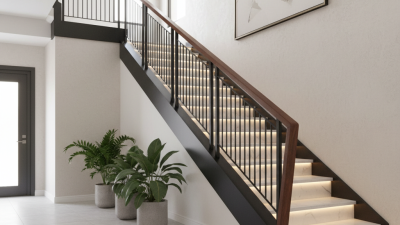
Modern staircases often use metal, timber, glass, or mixed materials. Metal balusters suit slim profiles and repeated geometric patterns. Timber adds warmth, but it needs stable moisture conditions. Glass can increase visual openness, though fingerprints and edge protection demand regular maintenance. In practice, spacing is only one concern. Anchors, surface grip, corrosion resistance, and cleaning access also affect long-term safety.
The Harvard Joint Center for Housing Studies projected approximately 485 billion dollars in U.S. remodeling expenditure through 2024. That scale reflects strong demand for renovation-ready components, including stair systems. Global buyers should still check local standards, shipping conditions, and installation tolerances. A coastal project may need stronger corrosion protection. A humid home may expose poorly sealed timber quickly. Small details matter.
Some designs look perfect in catalog images. They can feel awkward under real hands. A baluster may be visually light but difficult to clean. It may also create shadows that hide dust and loose fittings. Buyers should request finish samples, connection drawings, load information, and replacement guidance before ordering. Fancy is not always practical.
2026 Top Stair Balusters for Global Buyers
Key Materials and Designs for 2026 Baluster Selection
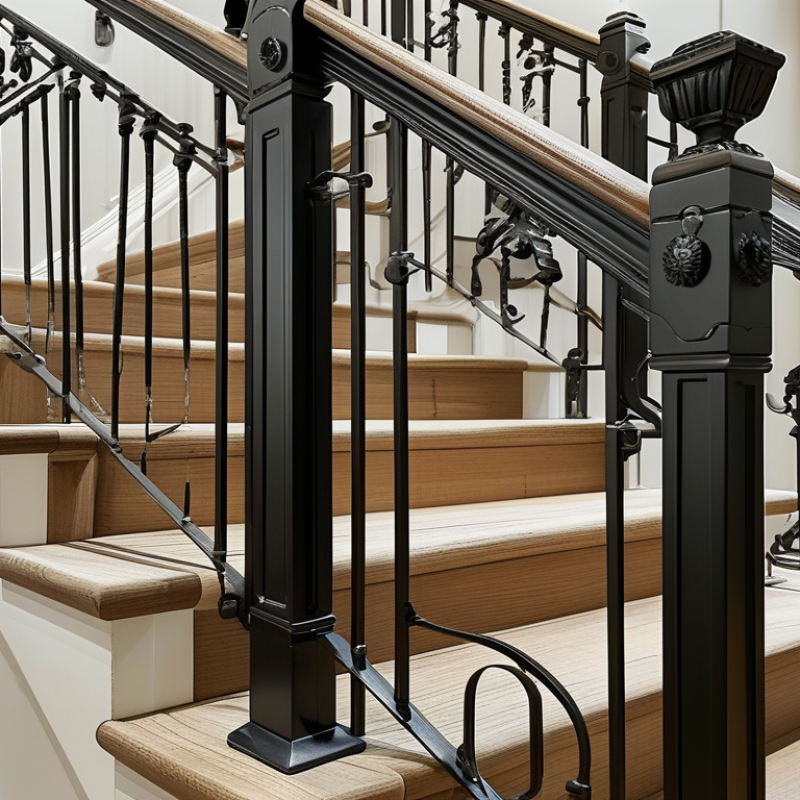
Material choice should begin with the building environment, not appearance alone. Powder-coated steel suits busy homes and commercial stairs because it resists scratches and offers slim profiles. Aluminum is lighter and useful for renovation projects, though softer surfaces may dent under impact. Stainless steel performs well in humid areas, but fingerprints can remain visible.
Wood balusters bring warmth, especially in oak, ash, or walnut interiors. They need stable indoor humidity to reduce movement and surface cracking. Composite options can simplify maintenance, yet their color and texture may look less natural at close range. Glass panels create an open view, but require careful handling, accurate fixing, and frequent cleaning.
Design decisions should match stair width, handrail height, spacing, and expected traffic. Measure the finished floor levels, not rough construction points. A few millimeters matter. In site inspections, I have seen attractive balusters fail visually because their lines did not align with the newel posts. That mistake is easy to overlook in drawings.
Matte black remains versatile, while brushed metal gives a quieter, more technical appearance. Rounded profiles feel comfortable under the hand. Angular designs suit modern interiors but may appear harsh in narrow stairwells. Confirm material specifications, load performance, coating quality, and installation guidance with qualified professionals. Local building requirements still control the final selection.
| Baluster Material | Recommended Design Styles | Key Performance Characteristics | Best Application Areas | Maintenance Requirements | Common Finish Options | Typical Selection Considerations | Global Buyer Notes |
|---|---|---|---|---|---|---|---|
| Wrought Iron | Traditional Classic Ornamental | Strong, rigid, and visually substantial. Suitable for decorative profiles, twists, scrolls, and forged details. | Interior staircases, heritage-style homes, formal public interiors, and protected exterior locations. | Inspect periodically for scratches and corrosion. Exterior installations require a suitable anti-corrosion primer and protective coating. | Powder coating, painted finishes, clear protective coatings, and hand-finished metallic effects. | Heavier than aluminum and often requires secure anchoring. Detailed patterns can increase cleaning time and fabrication cost. | Specify corrosion protection for humid, coastal, or high-rainfall environments. Confirm weld quality and coating performance before purchase. |
| Stainless Steel | Modern Minimalist Industrial | High corrosion resistance, strong structural performance, and a clean appearance. Brushed surfaces help reduce the visibility of fingerprints compared with mirror-polished surfaces. | Indoor and outdoor stairs, commercial buildings, coastal regions, hotels, offices, and contemporary residential projects. | Clean with a soft cloth and a non-abrasive cleaner. Avoid chloride-based cleaners and steel wool, which can damage the surface or encourage staining. | Brushed, satin, polished, bead-blasted, and colored surface treatments designed for stainless steel. | Confirm the stainless-steel grade and intended environment. Connections should be compatible with the selected metal to reduce galvanic corrosion risk. | Grade selection matters in marine or heavily polluted areas. Request test samples because reflectivity and surface texture vary by finishing process. |
| Aluminum | Contemporary Lightweight Clean-Line | Low density, naturally oxide-forming, and easy to handle during installation. It generally weighs less than steel for comparable profiles. | Residential interiors, balconies, exterior stairs, modular projects, renovation work, and installations where reduced handling weight is useful. | Usually low maintenance. Wash periodically to remove dirt and salts; repair damaged coatings to preserve appearance and protection. | Powder coating, anodized finishes, mill finish, and textured architectural coatings. | Check profile wall thickness, connection design, deflection performance, and compatibility with adjacent metals. | Powder-coating specifications should address ultraviolet exposure and local climate. Use suitable isolating washers or fittings where dissimilar metals meet. |
| Solid Hardwood | Warm Minimalism Traditional Scandinavian | Warm tactile quality, easy customization, and good visual integration with timber handrails and stair treads. Performance depends on species, moisture content, and finish. | Interior residential stairs, hospitality interiors, heritage renovations, and spaces emphasizing natural materials. | Keep dry, remove dust with a soft cloth, and renew the finish as required. Avoid prolonged moisture and rapid humidity changes. | Clear lacquer, oil, stain, paint, and water-based protective finishes. | Verify moisture content, straightness, grain consistency, joinery, and the selected wood species. Allow for normal seasonal movement. | For international shipments, use properly dried and legally sourced timber. Packaging should protect corners and finished surfaces from humidity changes. |
| Engineered Wood | Contemporary Cost-Conscious Uniform | More consistent dimensions than many solid-wood products and can provide a stable substrate for veneer or paint finishes. | Interior stairs, apartment projects, commercial fit-outs, and designs requiring repeatable dimensions. | Protect from standing water and excessive humidity. Clean with a slightly damp cloth and maintain the surface coating. | Paint, veneer, laminate, foil, and clear protective coatings, depending on the engineered construction. | Check the core material, edge protection, screw-holding performance, and suitability for load-bearing or non-load-bearing use. | Ask for formaldehyde-emission documentation where required by the destination market. Keep products dry during storage and transport. |
| Glass Infill Panels | Frameless Luxury Open-View | Creates visual openness and allows light to pass through. Safety depends on the specified safety-glass type, thickness, edge treatment, and support system. | Modern homes, offices, hotels, atriums, mezzanines, and staircases where an unobstructed view is important. | Clean regularly with a non-abrasive glass cleaner. Inspect edges, clamps, channels, and seals for damage or movement. | Clear, low-iron, frosted, tinted, laminated, and patterned safety glass. | Use safety glass designed for architectural guarding applications. Confirm panel dimensions, handling requirements, edge protection, and fixing details. | Glass standards and guard requirements differ by jurisdiction. Obtain local engineering approval before final production, especially for large panels. |
| Metal-and-Glass Combination | Modern Luxury Architectural Mixed Material | Combines the rigidity and visual definition of metal with the transparency of glass. Provides broad design flexibility through different frame and panel arrangements. | Premium residential projects, commercial interiors, hotels, showrooms, and open-plan stair halls. | Clean glass and metal separately using compatible products. Check fasteners, gaskets, clamps, and drainage points in exterior applications. | Brushed or powder-coated metal with clear, tinted, frosted, laminated, or textured glass. | Review thermal movement, water drainage, glass replacement access, and contact between dissimilar materials. | Coordinate metal, glass, and hardware tolerances before manufacturing. Export packaging should prevent glass edge impact and surface abrasion. |
| Composite or Recycled-Content Material | Sustainable Design Modern Low Maintenance | Performance varies by formulation. Some products offer moisture resistance and consistent appearance, while structural suitability must be verified for each system. | Selected interior projects, covered outdoor areas, renovation work, and designs with environmental-material objectives. | Follow the product-specific cleaning instructions. Inspect for ultraviolet degradation, impact damage, and changes caused by temperature or moisture. | Integral colors, wood-look finishes, textured coatings, and painted surfaces. | Do not assume every composite product is suitable for structural guarding. Request test data for strength, fire behavior, slip resistance where relevant, and weathering. | Check recycled-content claims, environmental declarations, and destination-market compliance documents. Confirm end-of-life and recycling provisions where applicable. |
| Powder-Coated Steel | Industrial Contemporary Budget-Friendly | Good strength and a wide range of shapes and colors. The coating protects the steel but can be compromised by impact, cutting, or poor pretreatment. | Interior stairs, covered exterior stairs, commercial buildings, factories, warehouses, and high-use areas. | Wash with mild soap and water. Repair chips and scratches promptly, particularly in humid or salty environments. | Gloss, satin, matte, textured, and custom architectural powder-coat colors. | Confirm steel thickness, weld treatment, pretreatment process, coating thickness, and corrosion category appropriate to the site. | For coastal or industrial environments, request a documented multi-stage pretreatment and coating system rather than color information alone. |
| Cable-Rail Baluster System | Minimalist Contemporary View-Preserving | Uses tensioned horizontal cables with posts and a top rail. It provides a light visual appearance but requires accurate tensioning and regular inspection. | Interior stairs, decks, balconies, terraces, and projects requiring reduced visual obstruction. | Inspect cable tension, terminals, posts, and fasteners. Clean cables regularly, especially in coastal or dusty locations. | Stainless-steel cable with wood, stainless-steel, aluminum, or powder-coated posts. | Check cable spacing, deflection, post stiffness, end anchorage, and child-safety requirements under the applicable local code. | Installation tolerances and inspection access are important for overseas projects. Provide clear assembly instructions and replacement-part details. |

Important: Baluster spacing, guard height, opening limits, structural loads, fire performance, and accessibility requirements vary by jurisdiction. Final selection and installation should be verified against the building codes and standards applicable at the project location.
How to Compare Safety, Strength, and Installation Requirements
Safety Safety should guide every baluster comparison, not appearance alone. Measure the clear spacing between each vertical member. It should prevent a child from passing through. Check the connection between balusters, handrails, and stair framing. Loose fittings create movement that users notice immediately. Ask for load-test records and installation drawings. Local building requirements still control the final application.
Strength Strength depends on material thickness, profile design, joint quality, and anchoring method. Stainless steel may suit humid areas, while coated metal needs careful surface protection. Inspect welds for consistent penetration and clean finishing. For timber components, examine moisture control, splitting risks, and grain direction. A heavy baluster is not automatically stronger. The substrate matters too. Weak stair treads can defeat excellent hardware.
Installation Requirements Installation details often decide project cost. Confirm hole sizes, fixing depths, thread types, and required tools before ordering. Request tolerances for stair angles and uneven floors. A small site mock-up can expose problems early. I have seen polished components fail because the supplied anchors did not match the concrete. That mistake was avoidable. Packaging, replacement parts, and clear multilingual instructions also support reliable installation. Recheck measurements. Even experienced teams occasionally trust an outdated drawing.
For global buyers, the best stair balusters begin with measurable compliance, not appearance. In the 2024 International Residential Code, stair handrails must sit 34–38 inches above the stair nosing. Guards generally require a 36-inch minimum height in homes. Openings must not allow a 4-inch sphere to pass through. Stair-specific triangular openings use a 6-inch limit. These dimensions should guide drawings, samples, and final installation checks.
European projects often reference EN 1991-1-1 for barrier loading. Its load tables commonly use 0.5 kN/m for residential areas and 1.0 kN/m for many public spaces. National annexes may change those values. Buyers should request signed load calculations, material certificates, and finish test results. Stainless steel, coated steel, and aluminum can perform differently near coastlines. ISO 9227 salt-spray testing can reveal weaknesses, but it does not perfectly reproduce every outdoor environment.
Measure the finished stair, not only the architectural plan. Treads, nosings, posts, and floor thickness can reduce the usable baluster height. A 100-millimeter spacing target may become noncompliant after field adjustments. That detail is easy to miss. I have seen visually precise layouts fail because installers ignored the first and last baluster positions. Local building officials still control approval, even when a product meets an international standard. Compliance is a process, not a label.
The chart compares commonly referenced maximum opening limits for stair guards and balustrades. The figures represent the approximate diameter of the test sphere that must not pass through the opening: 102 mm under the U.S. IRC 4-inch rule, 100 mm under England's Approved Document K and Canada's NBC reference, and 125 mm under Australia's NCC reference. These limits apply to openings between balusters or other guard components, not to the baluster's own width. Always verify the current local code, application type, stair height, load requirements, and authority approval before specifying or exporting products.
Reference framework: International Residential Code (IRC), Approved Document K for England, National Building Code of Canada (NBC), and National Construction Code of Australia (NCC). Code editions and regional amendments may differ.
International buyers should assess stair balusters as safety components, not decorative accessories. Material choice affects strength, appearance, maintenance, and shipping weight. Steel offers rigidity and consistent dimensions, while solid wood adds warmth but may react to humidity. Aluminum can reduce freight costs, yet coating quality needs careful inspection.
Request technical drawings, material grades, finish specifications, and tolerance ranges before comparing prices. A low unit cost can hide expensive tooling, high minimum order quantities, or weak export packaging. Confirm carton dimensions, pallet limits, and delivery terms with the supplier. Freight is not a small detail. Protective sleeves and corner guards can prevent scratches during long sea journeys.
Supplier evaluation should include production samples, factory photographs, inspection records, and traceable batch information. For safety-critical projects, ask for relevant test reports and verify whether they match the intended installation. Local building requirements differ, so an experienced buyer should confirm spacing, load, and installation rules with qualified professionals in each market. Do not rely on a polished catalog alone. During one practical review, a visually excellent sample had inconsistent hole spacing, which would have delayed installation. Small defects become costly at scale. A supplier may also communicate well but lack stable finishing control. That risk deserves a written corrective process, not a promise.