Benefits of Metal Handrails for Safety and Aesthetics?
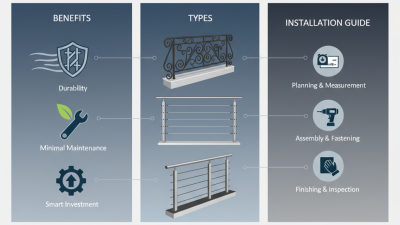
Metal handrails have become synonymous with both safety and aesthetics in modern architecture. According to James Thornton, a leading expert in the industry, “Metal handrails offer robust safety while enhancing visual appeal.” This highlights their dual role in various settings, from residential homes to commercial buildings.
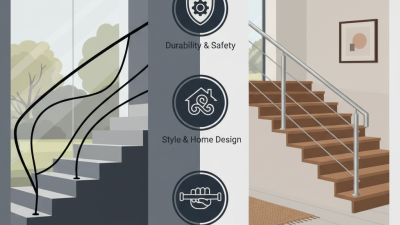
The durability of metal handrails ensures long-term safety for users. They provide reliable support and help prevent accidents on stairs or uneven surfaces. These handrails can withstand harsh weather, making them ideal for outdoor use. In many cases, metal handrails also lend a sleek, contemporary look that complements various design styles.
Yet, it's essential to consider potential downsides. Improper installation might compromise safety. Also, some designs could clash with specific aesthetics or themes. Striking the right balance between function and form can be challenging. As we explore the benefits of metal handrails, it's crucial to reflect on both their strengths and possible limitations.
Benefits of Metal Handrails: An Overview of Safety Features
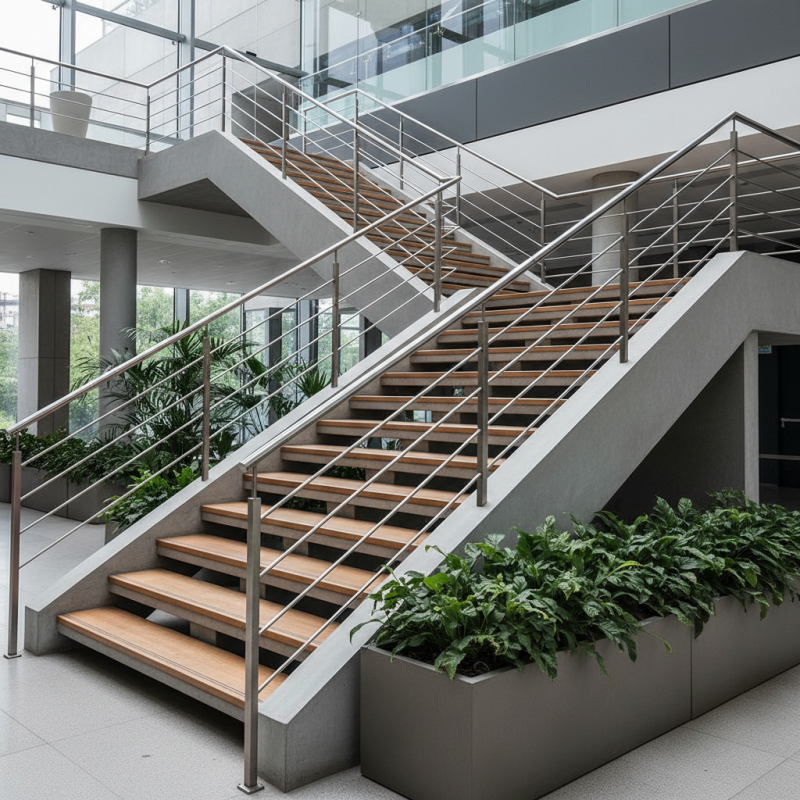
Metal handrails offer a robust solution for enhancing safety in various settings. Their durability allows them to withstand heavy use and harsh weather conditions. Unlike wood, metal doesn't warp or rot, maintaining its structural integrity over time. This reliability is especially important in commercial buildings or public spaces. Users can feel secure when navigating stairs, balconies, or elevated areas.
Aesthetically, metal handrails come in various designs, from sleek modern styles to intricate patterns that add character. They can complement different architectural themes, enhancing the overall visual appeal. However, certain installations might be too stark, detracting from a warmer, inviting atmosphere. It's crucial to consider the balance between safety and style. Improperly chosen designs may also feel out of place, leading to visual dissonance.
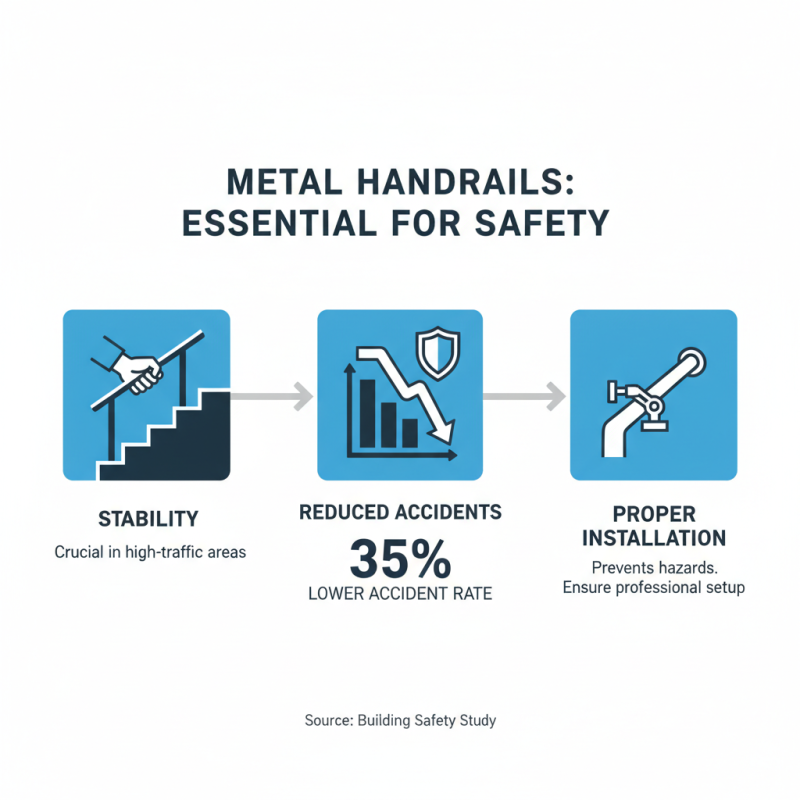
When installed correctly, metal handrails provide essential support. The grip and stability they offer can significantly reduce the risk of accidents. Yet, there can be flaws in execution, such as sharp edges or uncomfortable grips. These details might go unnoticed initially but can affect users' experiences. Paying attention to these can lead to improved safety features and aesthetic outcomes.
Benefits of Metal Handrails: An Overview of Safety Features
| Feature |
Description |
Safety Benefit |
Aesthetic Benefit |
| Durability |
Metal handrails withstand harsh weather and wear. |
Reduces the risk of breakage and accidents. |
Maintains the appearance over time, enhancing property value. |
| Non-Slip Coating |
Coatings can be applied to increase traction. |
Minimizes the likelihood of slips and falls. |
Available in various colors to complement décor. |
| Customizable Designs |
Can be formed into various shapes and styles. |
Enhanced visibility for safe navigation. |
Adds a unique aesthetic that reflects personal or business style. |
| Low Maintenance |
Requires minimal upkeep compared to other materials. |
Less frequent repairs enhance safety compliance. |
Maintains an attractive appearance with less effort. |
| Versatile Applications |
Suitable for indoor and outdoor settings. |
Provides safety in various environments. |
Enhances visual appeal in diverse settings. |
Durability and Longevity: Why Metal Handrails Outlast Alternatives
Metal handrails have gained popularity in many settings due to their unique blend of durability and aesthetic appeal. Unlike wooden or plastic alternatives, metal handrails resist weathering and wear. They do not rot or warp, even in harsh environmental conditions. This makes them suitable for both indoor and outdoor use. The resilience of metal ensures that these railings can withstand heavy use without losing structural integrity.
When investing in handrails, longevity is a critical factor. Metal handrails often last for decades, requiring minimal maintenance. A simple cleaning routine is usually all that's needed. However, it's worth noting that certain metals can corrode if not properly treated. Regular checks are essential to prevent rust on iron or steel railings. Still, when well-maintained, metal handrails can uphold their beauty and functionality over time.
Aesthetically, metal handrails offer a modern look that can complement various architectural designs. They can be finished in numerous ways, adding uniqueness to each installation. Yet, some may find them too cold or industrial in appearance. Personal taste plays a significant role in the choice of material. Balancing safety with visual appeal is crucial when selecting handrails, as they impact both the look and security of a space.
Aesthetic Versatility: Enhancing Design with Metal Handrails
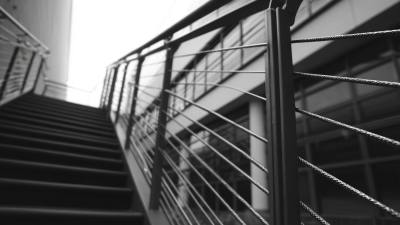
Metal handrails offer a unique blend of safety and aesthetic appeal. Their robust nature ensures reliability, while their design versatility allows for various styles to complement any environment. From sleek modern lines to intricate vintage patterns, metal can adapt to diverse architectural themes. These handrails can enhance staircases, balconies, and decks.
Consider how metal handrails can transform a simple space. A staircase with industrial-style railings exudes a trendy vibe, attracting the eye. In contrast, ornate wrought iron can add a touch of elegance to classical designs. These elements work dynamically, shaping the overall experience of an area.
However, aesthetic choices may bring challenges. Not all metal finishes age well. Rust or scratches may detract from the intended look. Maintenance is essential to preserve beauty. Finding the right balance between functionality and design is an ongoing journey. Each choice reflects personal taste and needs, inviting reflection on what truly works best.
Benefits of Metal Handrails for Safety and Aesthetics
Economic Impact: Cost-Effectiveness of Metal Handrails Over Time
Metal handrails are known for their strength and durability. This makes them a popular choice in both residential and commercial settings. Over time, the initial investment in metal handrails pays off. Unlike wood or plastic, metal does not warp, crack, or rot. Its resistance to environmental factors reduces maintenance costs substantially.
The economic impact of metal handrails isn't limited to their lifespan. They can also add value to a property. Aesthetic appeal enhances the environment, making spaces feel safer and more inviting. However, the upfront cost can be higher than alternatives. It may make some people hesitant to choose metal. Long-term savings in maintenance and replacement often outweigh these concerns.
Choosing metal handrails can feel overwhelming. Options are abundant, with different styles and finishes available. Each choice carries its own pros and cons. There’s a need for careful consideration to find the right fit. Balancing budget constraints with safety and aesthetics is crucial. Making an informed decision involves thinking beyond immediate costs.