Best Hand Rails for Stairs to Enhance Safety and Style
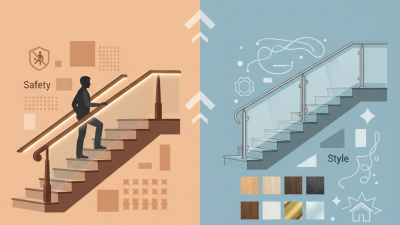
When it comes to choosing the best hand rails for stairs, safety and aesthetics are paramount. Hand rails not only provide support for users but also enhance the overall design of any staircase. A thoughtfully designed hand rail can complement your home’s decor while ensuring that every step up or down is secure.
There are various styles of hand rails for stairs, each offering unique benefits. From sleek modern metals to warm wooden finishes, the choices are vast. However, it's essential to balance style with functionality. The height, grip, and material of the hand rails significantly impact their usability, especially for children and the elderly.
Many homeowners overlook the importance of the right hand rail. This can lead to safety risks. Investing time in selecting the perfect hand rails for stairs is crucial. Choosing wisely can minimize potential hazards and improve everyday convenience. When done right, the right hand rails can transform a simple staircase into a beautiful and safe focal point.
Types of Hand Rails for Stairs: Materials and Designs
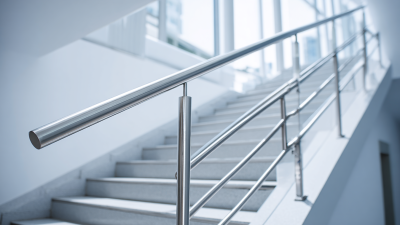
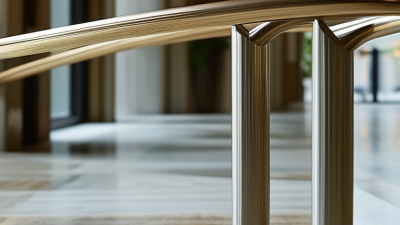
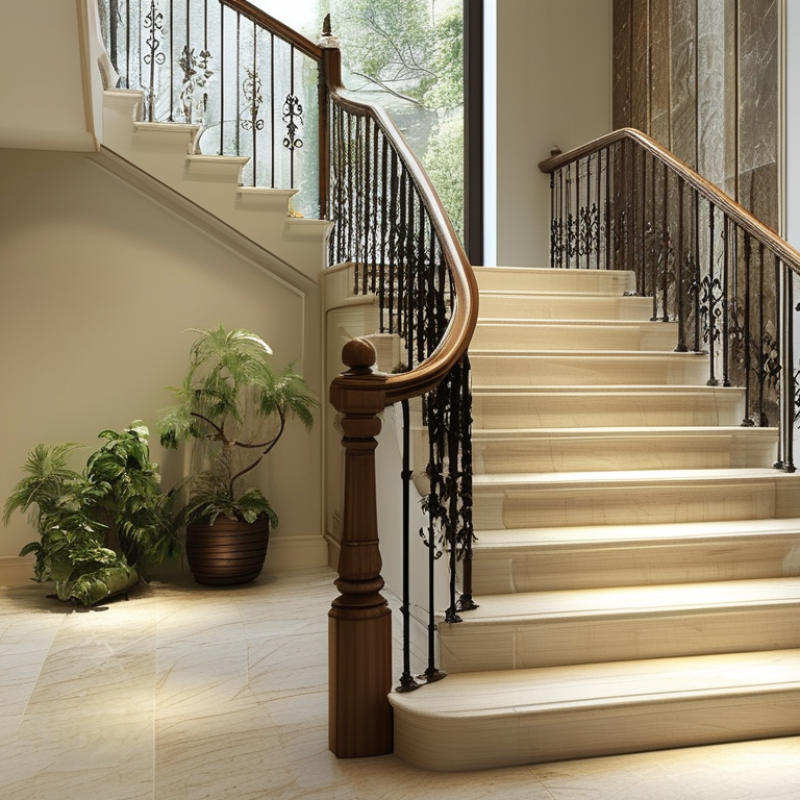
When choosing handrails for stairs, consider various materials and designs. Wood handrails offer warmth and a classic look. They can be stained or painted to match your decor. However, they may require regular maintenance to prevent wear. Metal handrails, like stainless steel, provide a modern aesthetic and durability. They resist rust and can handle heavy use.
Another popular choice is glass handrails. They create an elegant, open feel in your home. However, they can be prone to fingerprints and smudging, needing frequent cleaning. Rope or cable handrails are also appealing, especially in a nautical-themed space. They bring a unique twist but may not offer the same stability as traditional options.
Each material has its pros and cons. It's essential to reflect on the environment and usage. A handrail needs to be safe and stylish. The right choice enhances both safety and overall design in your home. Assess your needs carefully before making a decision.
Safety Features of Hand Rails: Ensuring Stability and Support
When selecting handrails for stairs, safety features play a pivotal role. A sturdy handrail greatly reduces the risk of falls. Installations should provide a solid grip, ideally with a texture that prevents slipping. Correct height is crucial; handrails should be at a comfortable level for users of all ages and heights. Strive for an ergonomic design that accommodates different hand sizes.
Consider the materials used in the handrails. Wood, metal, and composite options each offer varying levels of durability and grip. Metal may provide a sleek look but can become slippery when wet. Wood, while warmer to touch, might require more maintenance. Ensure that the handrail extends beyond the top and bottom steps for added safety. This extension offers a secure hold as users transition on and off the stairs.
While aesthetics are important, prioritize features that promote stability. Well-placed handrails can blend seamlessly with the décor. However, avoid overly intricate designs that may compromise grip. A handrail should be a reliable element in your home that people trust but also something that can make them pause and reflect on their safety. Regular inspections for wear and tear are essential to maintain their effectiveness and appeal.
Best Hand Rails for Stairs to Enhance Safety and Style - Safety Features of Hand Rails: Ensuring Stability and Support
| Material |
Safety Features |
Style Options |
Average Price (USD) |
| Wood |
Natural grip, custom heights |
Classic, Rustic |
$100 - $300 |
| Metal |
Durability, slip-resistant |
Modern, Industrial |
$150 - $400 |
| Glass |
Unobstructed views, secure fittings |
Contemporary, Elegant |
$200 - $600 |
| PVC |
Lightweight, weather-resistant |
Flexible, Colorful |
$50 - $150 |
Choosing the Right Height and Width for Stair Hand Rails
When selecting handrails for stairs, height and width are crucial for safety and aesthetics. A standard height for handrails is between 34 and 38 inches. This range accommodates most users effectively. However, personal needs can vary. Children or individuals with disabilities might require different dimensions.
The width of the handrail is equally important. A width of 1.25 to 2 inches is often recommended. This size ensures a comfortable grip. It’s essential to consider the hand size of your household members. Wider rails may look appealing, but they can be difficult for small hands to grasp.
Installation can also pose challenges. Ensuring the handrail is at a consistent height throughout is vital. It prevents accidents caused by uneven surfaces. Testing the rail for stability after installation is necessary. A sturdy handrail provides peace of mind. Consider consulting a professional for guidance if unsure about your measurements. Making informed choices about height and width enhances both safety and style.
Aesthetic Considerations: Matching Hand Rails with Interior Decor
Handrails are crucial for both safety and aesthetics in any stairway. When choosing handrails, consider how they complement your interior decor. According to the National Association of Home Builders, approximately 70% of homeowners value home aesthetics as highly as functionality. This highlights the importance of balancing safety features with style.
A well-chosen handrail can enhance a staircase’s look while ensuring safety. For instance, wooden handrails bring warmth to a space, while metal options offer a sleek, modern appearance. The American Institute of Architects notes that design trends increasingly favor minimalist styles. This has led to a rise in clear glass and cable railings, which provide safety without sacrificing visual appeal.
However, aesthetics shouldn’t overshadow functionality. Handrails must meet building codes to ensure safety. The International Building Code states the height and grip requirements for handrails. Failing to adhere to these regulations can create hazards. Striking a balance between style and compliance requires careful planning and consideration. It's essential to seek guidance from professionals to achieve this harmony effectively.
Best Hand Rails for Stairs: Safety and Style
Installation Tips for Hand Rails: Enhancing Functionality and Safety
Installing handrails can greatly enhance the safety and aesthetic appeal of your stairs. When planning installation, first consider the materials.
Wood, metal, and composite options each offer unique styles and durability levels. Choosing the right height is essential for comfort and accessibility. Most guidelines suggest a height of 34 to 38 inches from the stair nosing.
Next, think about placement. Handrails should extend beyond the top and bottom of the staircase. This provides a secure grip as you approach or leave the stairs. Furthermore, secure installation is crucial. Use sturdy brackets and ensure they are anchored properly into wall studs. A loose handrail can pose a significant hazard during use.
Be mindful of the finish as well. A smooth surface is not only visually appealing but also prevents splinters or injuries. Sometimes, despite best intentions, installation can miss these details.
Regular maintenance checks are also necessary to ensure continued safety. Ensuring your handrails are slip-resistant can prevent accidents. Simple adjustments can make a substantial difference in safety and style.