Best Indoor Stair Railings Tips for Safety and Style?
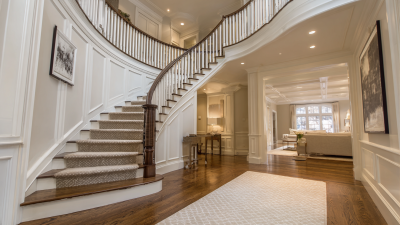
Indoor stair railings play a vital role in both safety and style. They serve not only as a support for climbing stairs but also as a design element that enhances the overall look of your home. Choosing the right indoor stair railings can transform a simple staircase into a focal point.
However, it's easy to overlook safety concerns when focusing on aesthetics. Many homeowners install beautiful railings without considering their sturdiness. This can lead to unfortunate accidents, especially for young children or elderly family members. It's essential to strike a balance between style and safety.
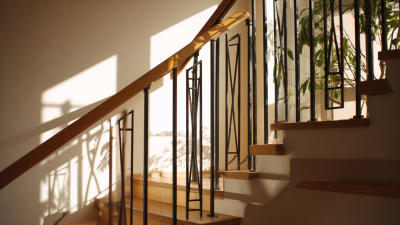
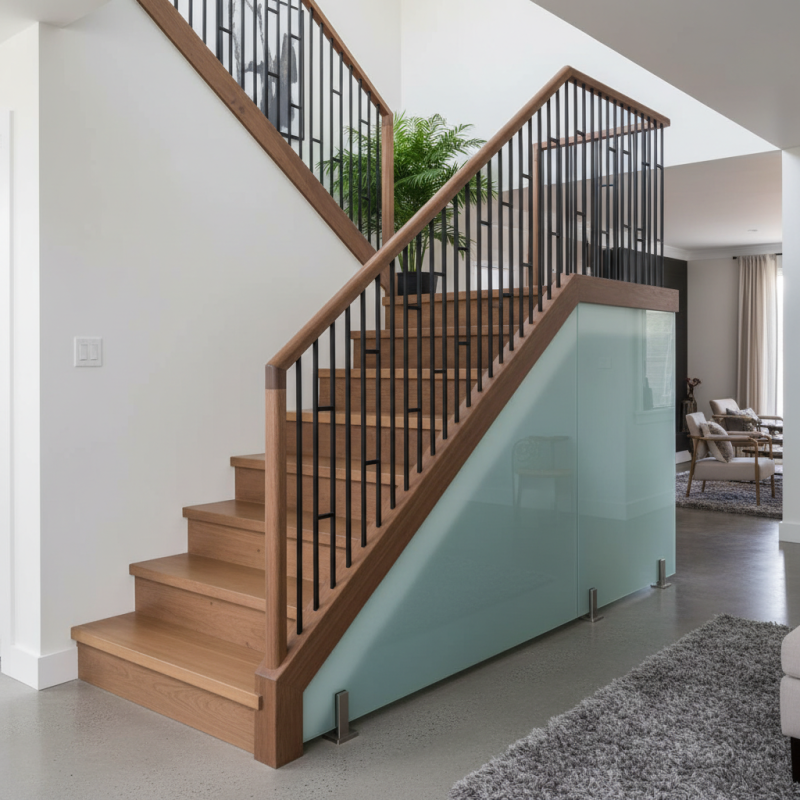
For the best results, consider various materials and designs. Wooden railings offer warmth, while metal options may provide a modern edge. You might find yourself drawn to intricate designs that catch the eye. Yet, simpler railings can sometimes be more practical. Reflecting on your choices can help ensure that your indoor stair railings are both visually appealing and secure.
Understanding the Importance of Indoor Stair Railings for Safety
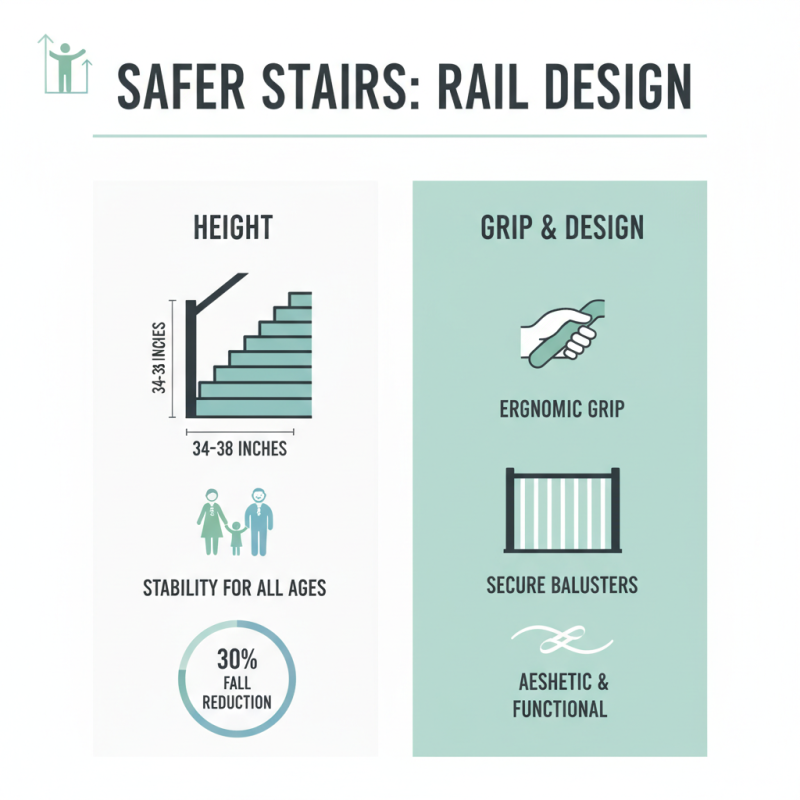
Indoor stair railings play a crucial role in safety, especially in homes with children or elderly residents. According to the National Safety Council, falls account for over 8 million emergency room visits annually. A well-designed railing can significantly reduce this risk. Experts suggest that railings should be installed at a height between 34 and 38 inches for optimal safety.
In addition to their protective function, railings enhance the aesthetic appeal of staircases. Using materials like wood or metal can complement interior design. However, it’s essential to ensure that the style fits the home’s overall theme. A mismatched railing can feel out of place, detracting from the space's beauty.
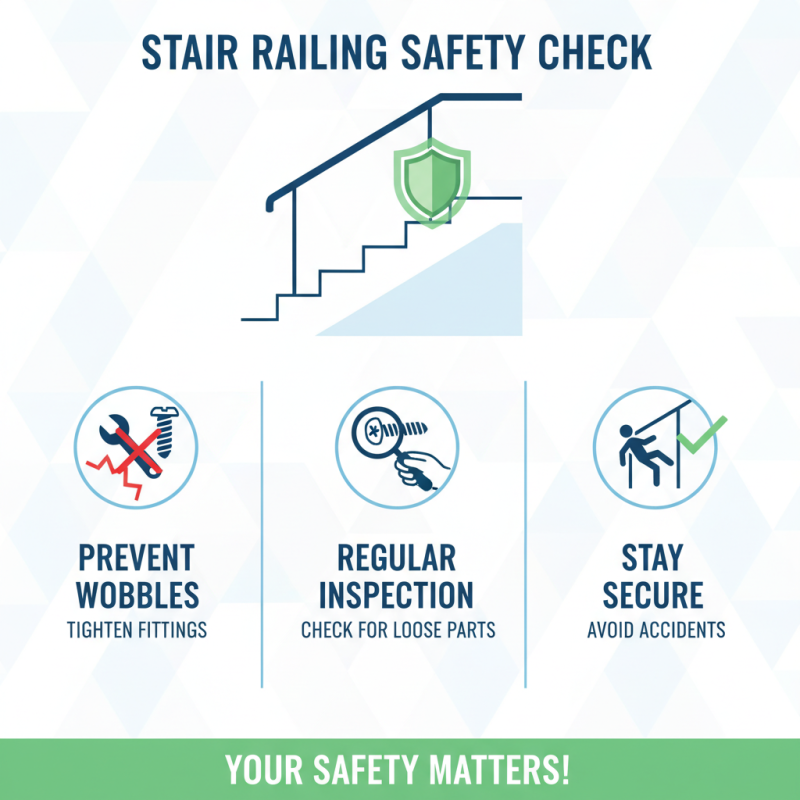
While choosing railings, consider the gap between vertical balusters. The recommended spacing is no more than 4 inches apart. This prevents small children from slipping through. Skimping on these measurements can lead to tragic accidents. Regular maintenance is vital too. Inspect for loose fittings and wear over time. Safety should be a continuous concern.
Choosing the Right Materials: Wood, Metal, and Glass Options
Choosing the right materials for indoor stair railings is important for both safety and aesthetics. Wood, metal, and glass each offer unique benefits.
Wood railings provide a classic look and warmth. They can complement traditional and modern designs, making spaces feel inviting.
However, wood may require regular maintenance to prevent wear and tear. Over time, it can splinter or warp if not properly cared for.
Metal railings are durable and provide a contemporary feel. They are resistant to damage and can come in various finishes, including brushed nickel or powder-coated colors.
The downside? They can feel cold and uninviting in some settings. Additionally, sharp edges may pose risks, especially for children.
It's essential to inspect metal railings for any loose parts or rust regularly.
Glass railings offer a sleek, modern touch. They can make spaces feel larger and more open. While visually appealing, they require cleaning to maintain their clarity.
Scratches can be noticeable and may detract from their beauty. Consider the balance of safety and style when choosing materials for your stair railings.
Whether opting for wood, metal, or glass, reflections on the choice can lead to a more secure and beautiful home.
Design Considerations for Aesthetic Appeal and Functionality
When designing indoor stair railings, aesthetics and functionality are crucial. Research shows that nearly 30% of home injuries are caused by falls on stairs. Proper railing design can mitigate this risk. Choosing the right height and grip style is essential. Railings should be between 34 to 38 inches high. This range provides stability for all age groups, especially for children and the elderly.
Materials matter as well. Wood, metal, and glass offer different visual appeals and structural support. A study by the National Association of Home Builders highlighted that homes with well-designed railings can increase resale value by up to 15%. However, the integration of materials must reflect the overall style of your home. A mismatched railing may create visual chaos.
Lighting also plays a significant role. Installing LED strips along railings can enhance visibility. However, excessive lighting can lead to glare. Balance is key. The color scheme of the railings should complement the walls and flooring. A well-chosen color can make a space feel larger. In contrast, clashing colors can undermine the design. Therefore, each choice in railing design must be made with careful consideration.
Height and Spacing Regulations: Ensuring Compliance with Safety Standards
When installing indoor stair railings, complying with height and spacing regulations is vital for safety. The International Building Code (IBC) specifies that railings should be between 34 to 38 inches high. This range helps prevent falls while still being comfortable to use. If the railing is too low or too high, it can pose a risk.
Spacing between balusters also plays a critical role. It is recommended that the space between balusters not exceed 4 inches. A wider gap can allow small children to slip through, which increases the risk of injury. Consider using a design with closely spaced balusters for enhanced safety.
**Tips:** Check local codes to ensure compliance. Use a level to verify railing height. When choosing materials, opt for durable but stylish options. Lastly, always conduct regular inspections to identify any wear or damage. Ignoring these aspects can lead to oversights, resulting in potential hazards. Regular maintenance ensures safety and keeps the design appealing.
Best Indoor Stair Railings Tips for Safety and Style
| Dimension |
Specification |
Compliance Standards |
| Height of Handrail |
34-38 inches |
International Building Code (IBC) |
| Spacing Between Balusters |
4 inches or less |
National Fire Protection Association (NFPA) standards |
| Width of Stair Tread |
At least 36 inches |
IBC regulations |
| Grip Size |
1.25 to 2 inches in diameter |
ASTM F1470 |
| Load Resistance |
200 pounds minimum |
IBC & ANSI A117.1 |