Best Stair Balusters Options for Your Home Design?
When designing a home, stair balusters play a crucial role in both safety and aesthetics. Renowned interior designer Sarah Thompson states, "Choosing the right stair balusters can transform your home's ambiance." This highlights the significance of thoughtful selections in enhancing a space.
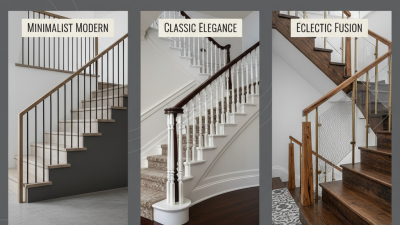
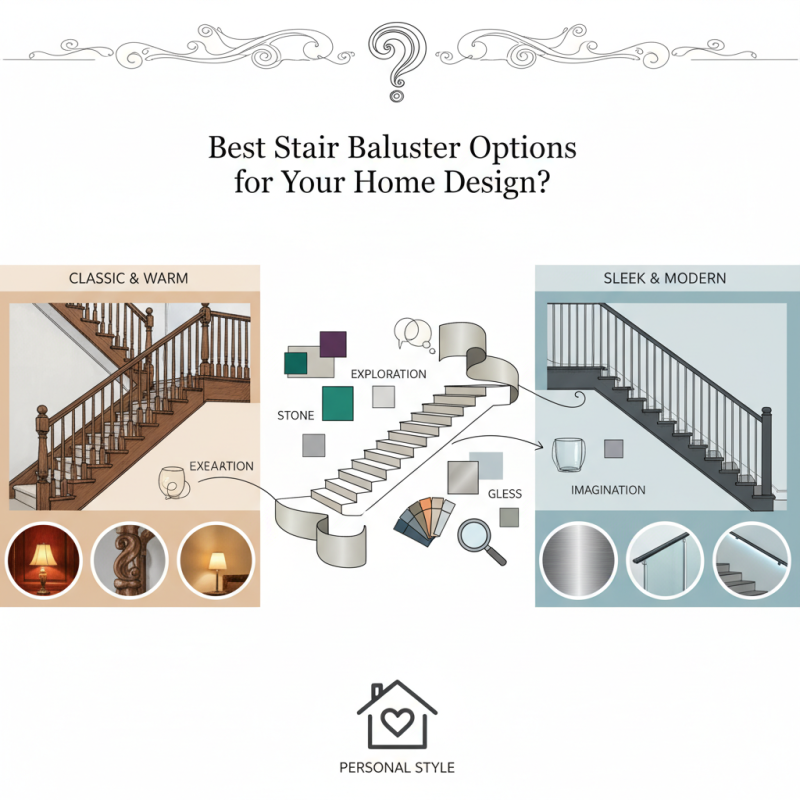
Stair balusters come in various materials and styles, from classic wood to sleek metal. Each option presents unique benefits and visual appeal. It's essential to consider how they will fit into your overall design scheme. Reflecting on personal tastes can often lead to choices that echo individuality and style.
However, many homeowners overlook the importance of stair balusters. They may choose the first option they see, neglecting the impact that well-selected balusters have on the overall environment. Encouraging a bit of exploration and imagination can lead to more satisfactory results. Engaging with different textures, shapes, and colors can spark creativity and elevate your home’s charm.
Best Materials for Stair Balusters: Wood, Metal, and Glass Insights
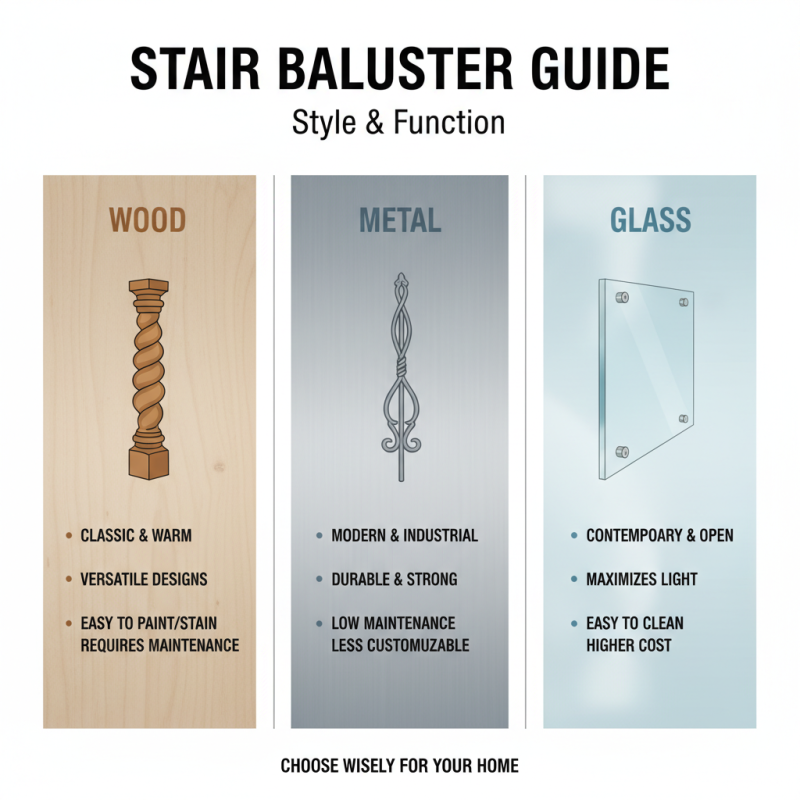
When designing your home, choosing the right stair balusters is essential. Each material brings a unique style and function. Wood, metal, and glass are popular options. They each have their own charm and requirements.
Wood balusters offer warmth and character. They can be stained or painted to match your decor. However, wood requires maintenance. It can warp or crack over time. Consider how much care you are willing to invest.
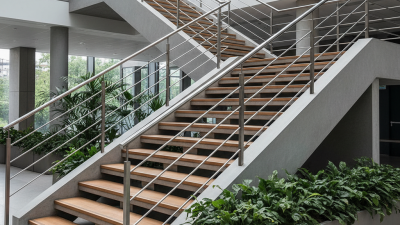
Metal balusters add a modern touch. They are durable and can withstand heavy wear. Look for coated finishes to prevent rust. A sleek design can create an open feel. Still, metal can be cold to the touch in winter.
Glass balusters create an airy vibe. They allow light to flow through. However, they may not be the best choice for homes with small children. Glass requires frequent cleaning to maintain clarity.
Tips: Think about the overall theme of your home. Match your balusters to your staircase style. Consider how often you are ready to clean and maintain them. This can impact your long-term satisfaction. Choosing the right material will enhance your space for years to come.
Understanding Safety Codes and Regulations for Stair Baluster Design
When designing stair balusters, understanding safety codes is crucial. These codes exist to protect occupants from falls and injuries. For instance, the International Building Code mandates that baluster spacing should not exceed four inches. This prevents small children from fitting through the gaps. Compliance with these regulations enhances safety and offers peace of mind.
In addition, the American Society for Testing and Materials (ASTM) provides guidelines on the minimum height for railing systems. They recommend a height of at least 36 inches for residential stairs. This height significantly reduces the risk of accidents. Homeowners must also recognize that local codes may vary. Failing to adhere to specific regulations can lead to fines or unsafe conditions.
Selecting the right materials is also important. Wood, metal, and glass are popular choices. Each material has its own set of regulations. For example, glass balusters need to be tempered. Missed details like these can undermine safety efforts. Homeowners should regularly check local codes and consult professionals during their design process. Balusters are not just aesthetic; they play a vital role in home safety.
Best Stair Balusters Options for Your Home Design?
| Material |
Style |
Height (inches) |
Cost per Unit |
Safety Code Compliance |
| Wood |
Traditional |
36 |
$30 |
Yes |
| Metal |
Modern |
42 |
$50 |
Yes |
| Glass |
Contemporary |
36 |
$75 |
Yes |
| Composite |
Rustic |
36 |
$40 |
Yes |
| PVC |
Sleek |
36 |
$25 |
Yes |
Aesthetic Styles: Matching Stair Balusters with Home Décor Themes
When selecting stair balusters, aesthetics play a crucial role in enhancing home décor. Balusters can define a space while providing safety. A report from the National Association of Home Builders indicates that 42% of homebuyers prioritize aesthetics in stair designs. Many styles are available, from traditional wood to contemporary metal. Each material brings a unique character, but matching them with existing décor can be challenging.
Consider your home’s overall theme. For a rustic look, wooden balusters with ornate carvings suit well. They can evoke warmth and comfort. On the other hand, sleek, stainless steel or glass balusters align perfectly with modern or minimalist styles. According to a study by the American Institute of Architects, homes that integrate design elements cohesively show a 20% increase in buyer interest. These statistics highlight the importance of thoughtful design choices.
However, many overlook the balance between safety and style. Choosing visually appealing balusters is essential, but they must also comply with safety codes. Many designs can be at odds with safety requirements. Sometimes, a stunning design may not always be practical. A critical reflection on your choices will lead to a well-designed space that is both beautiful and secure.
Installation Techniques: Ensuring Stability and Safety in Baluster Setup
Installing stair balusters is crucial for safety. Proper techniques can prevent accidents and enhance aesthetics. Begin by measuring the distance between posts. This helps determine the number of balusters needed. Each baluster should be evenly spaced for a polished look.
Make sure to secure each baluster firmly. Use screws or brackets as needed. This adds stability, reducing the risk of wobbling. It’s important to check for level as you go. An uneven baluster can ruin the overall design. Take your time with each step.
Don’t skip the finish work. Sanding down rough edges can create a safer surface. Installing a protective sealant helps maintain appearance. Reflect on your installation process. Did you follow each step? Are there areas that need improvement? These reflections can lead to better results next time.
Maintenance Tips for Longevity: Keeping Your Stair Balusters Looking New
Stair balusters add beauty to your home. However, they require care to maintain their appeal. Dust and grime can accumulate quickly. Regular cleaning with a soft cloth helps. Use gentle cleaning solutions to avoid damage. Remember, over time, wear and tear can become noticeable.
Inspecting your balusters is essential. Look for signs of damage or corrosion. If you notice anything, addressing it sooner prevents bigger issues. Sometimes wood may splinter, or metal may rust. A little maintenance goes a long way. If you’re not diligent, repairs may become inevitable.
Consider reapplying finishes every couple of years. This helps protect the material from harsh elements. Sunlight can fade colors and weaken structures. With the right care, your stair balusters can last a long time. Keeping them looking new isn’t as hard as it seems, but it does require effort and attention.