Best Stair Railing Kits for Safe Home Upgrades?
Upgrading your home with stair railing kits can enhance both safety and style. These kits are designed for easy installation and come in various materials. Whether you prefer wood, metal, or composite, there’s a kit that suits your needs. A sturdy railing provides support for family and guests, reducing the risk of falls.
Choosing the right stair railing kits involves a careful assessment of your space. Consider the design and color that best match your home interior. Look for companies with positive reviews and a reputation for quality. It's worth noting that not all kits are created equal; some may lack durability or ease of installation.
Reflect on your specific requirements before making a decision. The best kits offer safety and aesthetics without breaking the bank. Ultimately, investing in reliable stair railing kits can significantly improve your home’s safety, making it a valuable upgrade for years to come.
Overview of Stair Railing Kits and Their Importance in Home Safety
Stair railing kits are essential for enhancing home safety. They provide crucial support for individuals using stairs. A sturdy railing can prevent falls, a leading cause of injuries at home. These kits come in various styles and materials, making it easy to find one that fits your home’s aesthetic.
Proper installation is vital. Even the best kits can fail if not installed correctly. Homeowners often overlook this aspect, which can lead to dangerous outcomes. Regular maintenance is equally important. Over time, wear and tear can weaken the structural integrity of the railing. Checking for loose fittings and signs of damage will help maintain safety.
Choosing the right kit involves more than just style. Consider your household needs first. Families with young children or elderly members should prioritize safety features. Inspecting local building codes can guide you in making informed choices. Ensuring that your stair railing is up to standard reflects a commitment to safety in your home environment.
Types of Stair Railing Kits: Materials and Designs
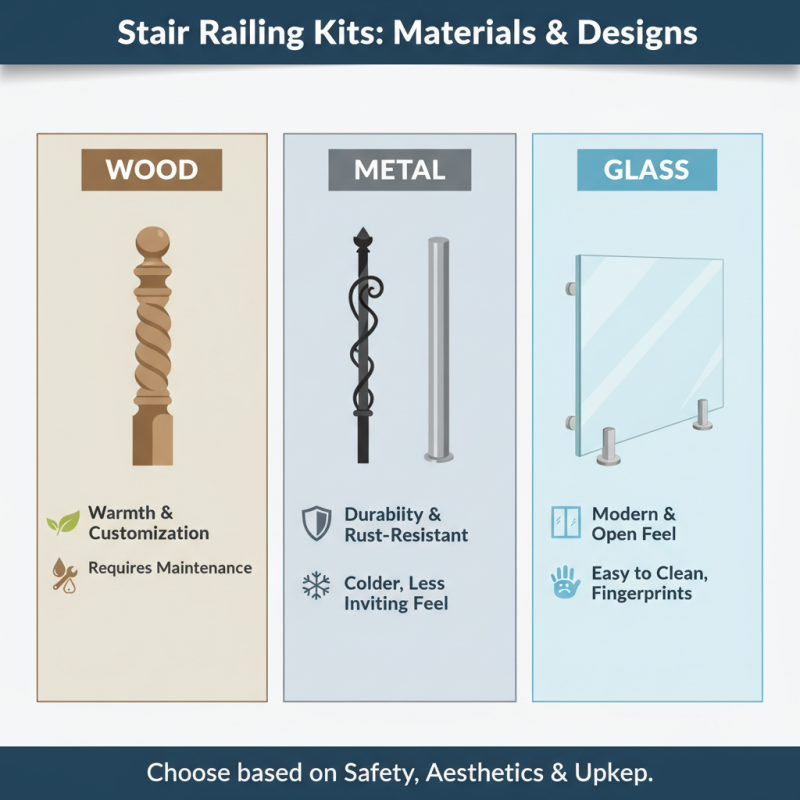
When considering stair railing kits, the choice of materials and designs plays a crucial role in ensuring safety and aesthetics. Common materials include wood, metal, and glass, each offering distinct advantages. Wood provides warmth and can be customized easily. However, it may require regular maintenance to prevent wear. On the other hand, metal options, such as aluminum and wrought iron, offer durability and resistance to rust, though they can feel colder and less inviting.
Another popular option is glass railing. It creates an open feel and enhances visibility. However, glass requires careful cleaning to maintain clarity. According to the National Association of Home Builders, railings are essential for safety, especially in homes with children and elderly residents. The right choice can minimize the risk of falls significantly. Yet, many homeowners overlook local building codes, which can lead to non-compliance issues.
Designs also vary widely. Traditional railings may feature balusters, while modern styles focus on minimalist aesthetics. A study published in the Journal of Safety Research noted that well-designed railings can reduce accidents. Still, mismatched designs can detract from a home's overall appeal. Therefore, careful consideration of both materials and designs is essential for effective home upgrades.
Factors to Consider When Choosing Stair Railing Kits
When selecting stair railing kits, safety remains the top priority. According to the National Safety Council, falls account for over 8 million emergency room visits each year. A well-chosen stair railing can significantly reduce these incidents, ensuring a secure environment for families.
Factors like height, spacing, and material are crucial. Railing height should be between 34 and 38 inches, per building codes. This height helps prevent falls without obstructing the view.
Material selection also impacts not only safety but longevity. Wood provides a classic look, while metal options boast durability. A recent report from the Home Improvement Research Institute shows that 72% of homeowners prefer low-maintenance materials. Additionally, spacing between balusters should not exceed 4 inches to prevent accidental falls. This detail is often overlooked but essential.
Another consideration is installation complexity. Some kits require professional installation, incurring extra costs. A survey from the Remodeling Magazine highlights that nearly 30% of DIY enthusiasts faced installation challenges. Reflecting on these details reveals that choosing the right stair railing kit is not solely about aesthetics; it's about enhancing safety and functionality in your home. Adopting a thoughtful approach can lead to better decisions.
Step-by-Step Installation Process for Stair Railing Kits
Installing a stair railing kit can enhance safety in your home. The process may seem daunting, but it is manageable with the right steps. Begin by gathering your tools: a measuring tape, level, drill, and screws. Assess your staircase layout to determine the ideal height for the railing. Typically, the top of the railing should be between 34 to 38 inches from the stair tread.
Before installation, mark the positions for your posts. Make sure they are spaced evenly. If your stairs are not perfectly straight, be ready to make adjustments. A level will help ensure that everything is aligned correctly. Tips: Double-check all measurements and markers. This prevents costly mistakes later.
Once you've attached the posts, you're ready for the handrail. Cut your handrail to size and secure it to the posts. Use brackets for added stability. It’s crucial to test the railing for sturdiness. It should not sway or loosen easily. If you notice any wobbles, double-check your screws and anchors. Reflecting on your installation experience can help you find areas for improvement, ensuring a better outcome next time.
Safety is the goal here. Regular maintenance checks are essential after installation. Look for signs of wear or loose components. This will keep your staircase safe and secure. Remember, proper installation is just the beginning of your railing’s journey.
Maintenance Tips for Ensuring Safety and Longevity of Stair Railings
Maintaining stair railings is crucial for both safety and longevity. Regular inspections can prevent accidents. Look for signs of wear, such as loose brackets or cracks. Tightening screws can help, but some issues may need professional assessment. Track the age of your railings. Older materials may require replacement sooner.
Cleaning is another essential aspect. Use mild soap and water to remove dirt. Avoid abrasive cleaners that can cause damage. For wooden railings, consider applying a protective finish every few years. This can help preserve the wood and maintain its appearance. Don’t forget to check for loose balusters, as these can compromise safety.
Consider seasonal changes. Temperature fluctuations can affect certain materials. Wood may expand and contract, leading to gaps. Metal railings might rust without proper care. Always be proactive about maintenance. Regular attention can save you from costly repairs and ensure a secure environment for everyone.
Best Stair Railing Kits for Safe Home Upgrades
This chart illustrates the average lifespan (in years) and maintenance frequency (times per year) for various types of stair railing materials. Regular maintenance can significantly enhance the longevity and safety of stair railings in homes.