Best Stair Railing Options for Safety and Style?
In the realm of home design, the importance of stair railings cannot be overlooked. They serve pivotal roles in safety and aesthetics. Charles McKinley, a renowned stair railing expert, once said, "A stair railing is not only a safety feature, but a statement of style." This dual purpose elevates the significance of selecting the right design.
Stair railings come in various materials, styles, and finishes. Homeowners often face challenges choosing the right fit. Each option presents unique advantages and potential pitfalls. For instance, wooden railings offer warmth but can wear over time. Metal designs provide durability but may lack the cozy feel of wood.
Considering these factors can be daunting. A railing that fits the stairs needs to enhance the overall look of the space. There’s a delicate balance between functionality and design. One might wonder if safety is truly a priority when selecting a stylish railing. Taking time to reflect on these decisions can make a huge difference. Ultimately, the right stair railing can transform a simple staircase into a beautiful focal point.
Factors to Consider When Choosing Stair Railing Options
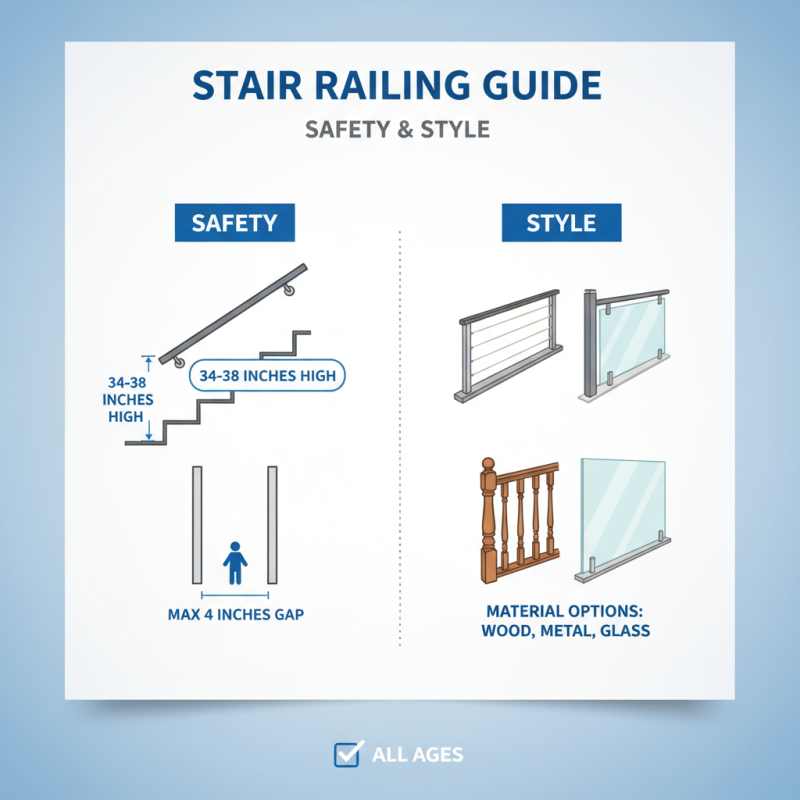
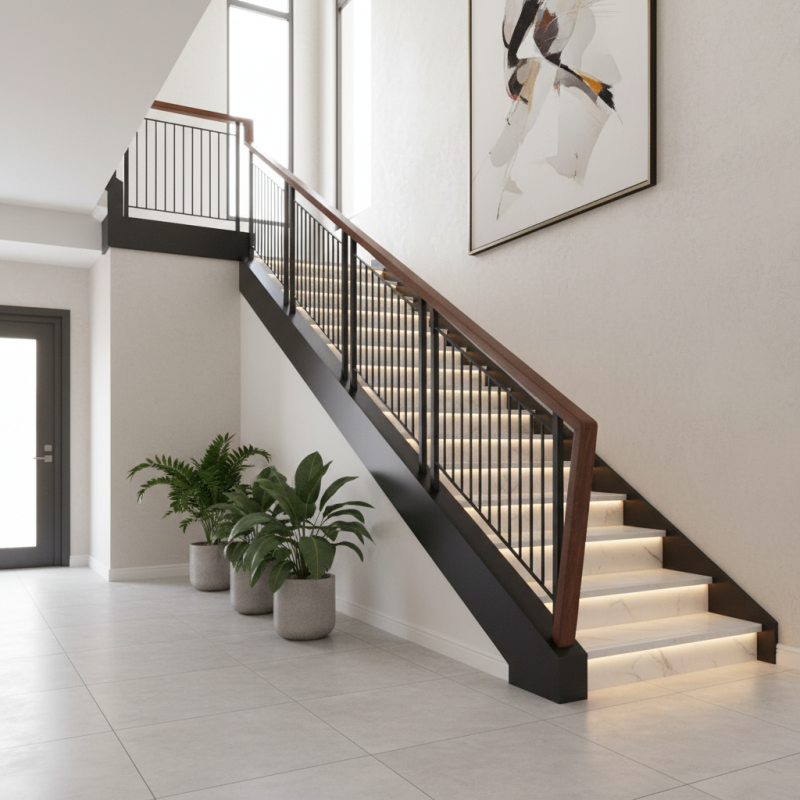
When considering stair railing options, safety and style must both play a role. Choose a height that accommodates users of all ages. Standard railings should be around 34 to 38 inches high. This height prevents falls while still being comfortable to grip. Think about the spacing between balusters. Gaps must not exceed 4 inches to keep small children safe.
Materials also matter. Wood, metal, and glass each offer distinct styles. Wood gives warmth but needs maintenance over time. Metal can be sleek and modern but may be cold to the touch. Glass adds elegance. However, it can be fragile and hard to clean. Consider the design's impact on the overall space. A bulky railing can overwhelm a small staircase. Test different styles to see which feels best.
Lighting is another factor. Proper illumination enhances safety while accentuating the railing's beauty. Softer lights can create an inviting atmosphere. However, bright lights are necessary for visibility at night. Reflect on how your choices balance safety and aesthetics. It's essential to learn from your space. Aim for a railing that complements your home while ensuring user safety.
Types of Stair Railings: Wood, Metal, and Glass Explained
When considering stair railings, safety and aesthetics are vital.
Wood, metal, and glass railings each offer distinct advantages.
Wood provides a classic look. It's warm and inviting, easily complementing many home styles. However, wood requires regular maintenance to prevent wear and tear, especially in high-traffic areas.
Metal railings, often made of steel or aluminum, are known for strength and durability. They stand up well against weather elements. According to industry reports, metal railings can resist corrosion better than wood. However, they can feel cold and uninviting without proper design. Adding decorative elements can enhance appeal, yet may increase costs.
Glass railings have gained popularity due to their modern aesthetic. They can make spaces feel larger while providing clear views. A study from the American Association of Home Builders indicated a rising demand for glass railings in contemporary homes. Nonetheless, fingerprints and smudges can detract from their beauty, requiring frequent cleaning.
Each material has its pros and cons, but the right choice depends on personal style and maintenance preferences.
Design Styles: Modern vs. Traditional Stair Railing Options
When choosing stair railings, design style plays a crucial role. Modern railings often emphasize sleek lines and minimalism. Common materials include glass and steel. These materials provide a clean look, enhancing contemporary spaces. A report by the National Home Improvement Association notes that 35% of homeowners prefer modern designs for their staircases.
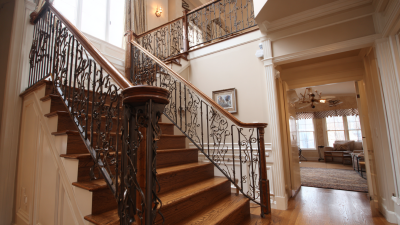
On the other hand, traditional railings offer a different charm. They use wood, wrought iron, and intricate designs. This style brings warmth and character to a home. A study from the American Institute of Architects shows that over 40% of clients still favor traditional options in their renovations. It's important to consider how style affects overall safety. Modern railings may lack the robust feel of traditional ones.
Visualizing stair railings helps in making a decision. For instance, a glass railing can make a small space feel bigger. Yet, it might be prone to smudges. Wood railings can be more inviting, but they may need frequent upkeep. Weighing options based on style and safety is essential. Balancing aesthetics with practicality might be tricky.
Safety Features to Look for in Stair Railings
When considering stair railings, safety features are crucial. The CDC reports that falls are a leading cause of injuries in homes. In fact, one in three adults aged 65 and older falls each year. This statistic underscores the importance of having the right stair railing.
One key safety feature is the height of the railing. The ideal height should range between 34 and 38 inches. It prevents slips and offers support. Additionally, look for railings with a sturdy grip. A textured or contoured surface can enhance safety. Smooth surfaces may feel slippery, especially in wet conditions.
Visual contrast is another important aspect. Railings should stand out against wall colors. This distinction helps those with visual impairments navigate stairs more easily. Lastly, ensure railings extend beyond the top and bottom steps for added security. These extensions provide a stable handhold, reducing accidents. A well-designed railing blends safety and style, making it an essential part of any staircase.
Best Stair Railing Options for Safety and Style
| Railing Type |
Safety Features |
Style Options |
Material |
Maintenance |
| Wrought Iron |
Strong and durable, resistant to rust. |
Classic, elegant designs. |
Iron |
Requires periodic painting. |
| Wood |
Natural grip, needs secure fastening. |
Rustic, traditional looks. |
Variety of types (oak, pine, etc.) |
Regular sealing recommended. |
| Glass |
Tempered glass for added safety. |
Modern and sleek appearance. |
Glass |
Wipe clean; no special treatments needed. |
| Cable Railing |
Open design minimizes falls. |
Contemporary, unobtrusive look. |
Stainless steel |
Low maintenance and rust-resistant. |
| Composite |
Slip-resistant, sturdy construction. |
Variety of colors and textures. |
Plastic and wood fibers |
Very low; clean with soap and water. |
Installation Tips for a Secure and Aesthetic Stair Railing
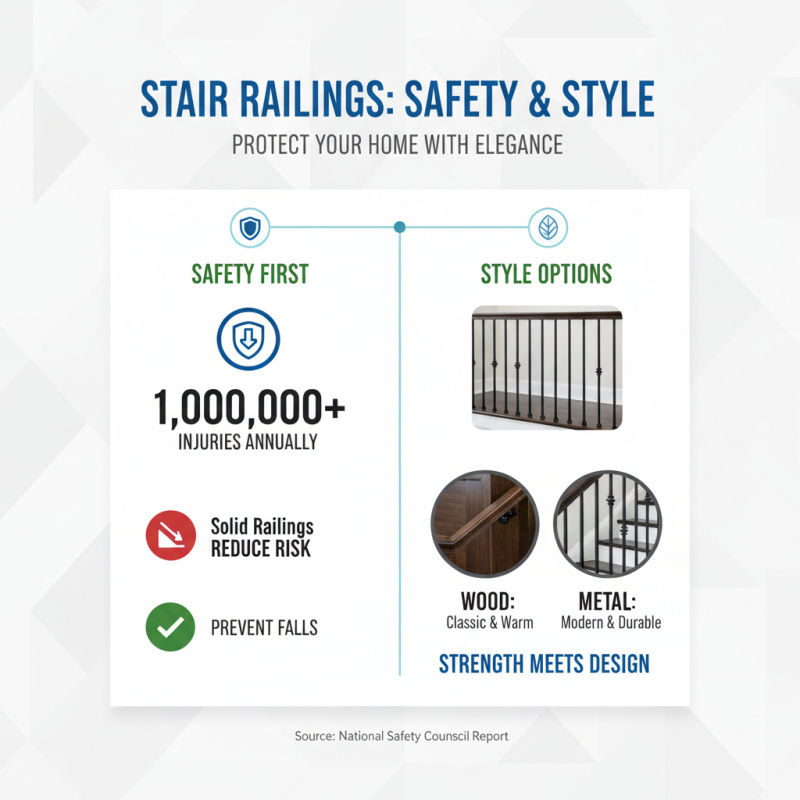
When installing stair railings, safety and style often go hand-in-hand. According to a recent report by the National Safety Council, over 1 million injuries occur from stair-related accidents each year. Solid railings can significantly reduce this risk. Choose materials like wood or metal that provide not just strength but also visual appeal.
Consider the height and spacing of your railings. The standard height is approximately 34 to 38 inches. Spacing should not exceed 4 inches to prevent small children from slipping through. Inadequate installation can lead to dangerous gaps. Always secure the railings at both the top and bottom of the stairs. Use the correct fasteners for your chosen material. This detail matters; loose railings can cause falls.
Pay attention to aesthetics, too. Lighting, color, and style all play a role in how a staircase feels. A well-lit railing can bring warmth and visibility to stairs. The combination of safety and style can create a welcoming environment. However, choosing trendy designs can sometimes lead to oversights in safety features. Balancing looks with practicality is crucial for long-lasting value.