How to Choose the Best Sliding Door Hardware for Your Home?
Choosing the right sliding door hardware is essential for both functionality and aesthetics in your home. Industry reports indicate that 70% of homeowners prioritize durable hardware that complements their design choices. Selecting quality materials can greatly impact longevity and performance. Expert Jonathan Briggs, a leading voice in the sliding door hardware sector, emphasizes, "The right hardware can elevate a home's value while ensuring smooth operation."
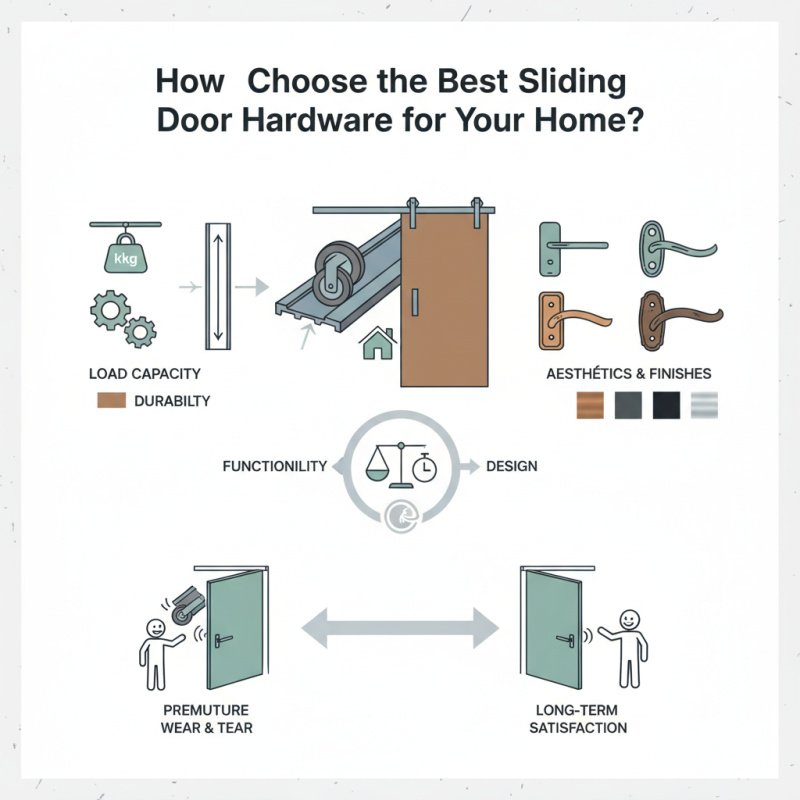
Many options exist, but not all are created equal. Homeowners often overlook the importance of load capacity and track alignment, which can lead to premature wear and tear. Analyzing various styles and finishes ensures coherence with existing decor. As you navigate through choices, it’s crucial to understand that superficial beauty may mask inferior functionality.
The decision-making process can be overwhelming. Aesthetic appeal often clashes with practical needs. This imbalance can lead to regrets after installation. Homebuyers need to reflect on their priorities: Is design more crucial than durability? Taking the time to research options may save headaches down the road. Proper sliding door hardware not only enhances your living space but also contributes significantly to its overall efficiency.
Understanding Different Types of Sliding Door Hardware Available
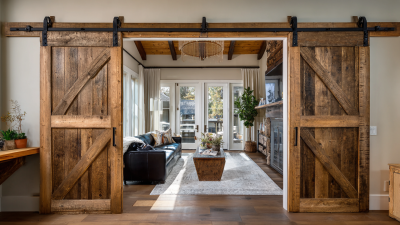
When selecting sliding door hardware, understanding the various types is essential. There are mainly three categories: bypass, pocket, and bi-fold hardware systems. Each type serves a specific purpose and offers unique benefits. For instance, pocket doors save space by disappearing into the wall. However, this can limit your design options.
Bypass systems glide over one another. They are common in closets and save floor space. According to a 2021 study, over 40% of homeowners prefer bypass doors for their functionality. However, accessibility can be an issue if one door blocks another.
Bi-fold doors, on the other hand, fold up against the wall. They are often used in larger openings. A survey indicated that bi-fold systems are becoming increasingly popular for patio doors. Yet, they require more maintenance due to their complex hardware. Choosing the best option depends on your needs and home layout. Consider factors like ease of use, design, and maintenance. These choices can significantly impact your living space and overall aesthetic.
Factors to Consider When Selecting Sliding Door Hardware
Choosing the right sliding door hardware is essential for functionality and style in your home. Consider the weight of your doors when selecting hardware. Heavy doors require robust tracks and rollers. Lightweight options can work with standard hardware.
Tip: Prioritize the material. Stainless steel is durable, while aluminum is lightweight. Both have their pros and cons. Reflect on your space and choose accordingly. A mismatch can lead to problems later on.
Another factor to consider is the design. Hardware should complement your home decor. Modern homes might benefit from sleek, minimalist designs. On the other hand, traditional spaces may look better with ornamental choices.
Tip: Test the movement. Ensure the door slides smoothly without much effort. Sometimes, what looks good may not function well. Don’t overlook this. Trying it out can save you from future frustrations. Choose wisely!
Material Options for Durability and Aesthetic Appeal
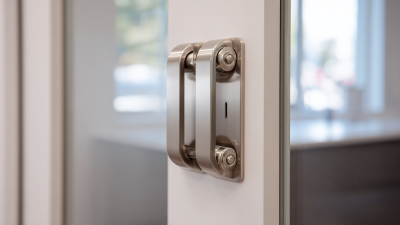
When selecting sliding door hardware, the material is crucial for both durability and aesthetics. Metal options, like stainless steel, offer a robust and sleek appearance. They resist rust and wear, making them ideal for outdoor settings. However, they can be cold to the touch in winter, which might not appeal to everyone.
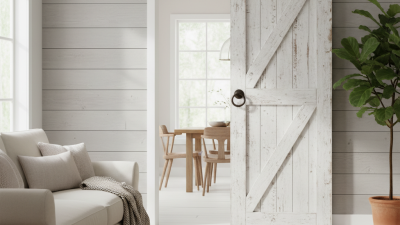
On the other hand, wood hardware provides warmth and charm. It suits traditional and rustic designs. Yet, wood can be vulnerable to moisture, leading to swelling or warping over time. Regular maintenance is essential to preserve its beauty. Another choice is composite materials, which blend aesthetics with longevity. They mimic wood but are more durable against the elements. Still, some may question their true aesthetic appeal compared to solid wood.
Ultimately, your choice should reflect your lifestyle and environment. Consider how often the doors will be used, and the climate in your region. Balancing style and functionality can be challenging, but it’s worthwhile to think it through. Each material has its pros and cons, and finding the right fit requires careful consideration of your needs.
Sliding Door Hardware Material Comparison
Compatibility with Existing Doors and Installation Requirements
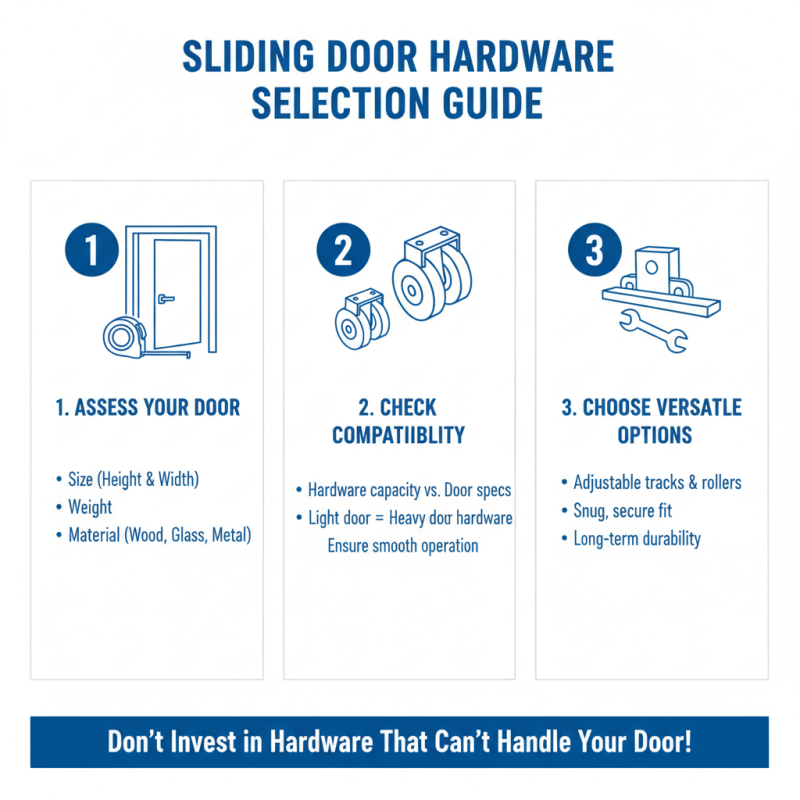
When selecting sliding door hardware, compatibility with existing doors is crucial. Assess your door's size, weight, and material before making a decision. You wouldn’t want to invest in hardware that can’t handle your door. A lightweight door needs different hardware than a heavy wooden one. Look for options that are versatile and adjustable to ensure a snug fit.
Installation requirements can be a hurdle. Some hardware may appear simple but require specific tools. If you’re not handy, consider whether you'll need help with installation. Measure your door frame carefully. An incorrect measurement could lead to a frustrating experience. In some cases, existing track systems may require modification. Be prepared for unexpected challenges.
Consider your home’s aesthetic while choosing hardware. Mismatched designs can disrupt the harmony of your space. While it’s easy to focus solely on functionality, the look also matters. Ask yourself: does this fit with my overall design theme? It’s beneficial to visualize the final appearance before committing. Your choice reflects your style, so take your time in the selection process.
Maintenance Tips for Prolonging the Life of Sliding Door Hardware
Maintaining sliding door hardware is crucial for longevity. A study by the Home Improvement Research Institute showed that regular maintenance can extend the lifespan of door hardware by up to 30%. Simple tasks can go a long way. Clean the tracks monthly. Dust and debris accumulate, causing friction that may damage the wheels.
Lubrication is often overlooked. A silicone-based lubricant can keep your hardware running smoothly. Apply it every six months to avoid a sticky situation. Signs of wear and tear include difficulty sliding and unusual noises. Don’t ignore these. It might lead to costly replacements in the future.
Inspect your hardware regularly. Check for rust or corrosion, especially in humid climates. Replacing rollers and tracks can be necessary. A report from the National Association of Home Builders indicated that well-maintained doors lead to fewer repairs. This translates to overall savings for homeowners. Taking these steps may seem tedious, but they bring peace of mind. Simplicity often leads to greater durability in home improvement.