How to Choose the Best Barn Door Hardware Kit for Your Home?
Choosing the right barn door hardware kit can transform your space. This is not just about aesthetics; it involves functionality as well. According to Emily Johnson, a leading expert in home design, "The right hardware can elevate a barn door from ordinary to extraordinary."
When deciding on a barn door hardware kit, consider the style of your home. Traditional, modern, or rustic—there's a kit for every taste. It’s essential to find hardware that complements your door and overall decor. Durability is key; the last thing you want is flimsy hardware that fails over time.
Consulting expert reviews is beneficial. However, there can be conflicting opinions. Some products may seem high-quality but might not perform well in practical use. Evaluating your choices requires a discerning eye. Ultimately, investing in a reliable barn door hardware kit is vital for long-term satisfaction.
Consider Your Door Size and Weight Specifications
When selecting a barn door hardware kit, understanding your door size and weight specifications is crucial. A heavy door requires a robust hardware system. If the hardware is inadequate, the door could sag or become misaligned.
Measure the door’s height and width accurately. Also, check the door thickness. These measurements will help in choosing the right kit that can support the weight.
Additionally, consider the weight of the material. Solid wood doors are heavier than hollow core doors. This can impact the type of track and rollers you need. If your door is too heavy and the hardware is too light, it may lead to safety hazards.
There’s a balance to strike. Sometimes, people overlook the weight distribution across different rollers. Uneven weight can cause wear and tear over time. It's essential to reflect on these details to avoid future issues.
A thorough assessment will guide you in picking the most suitable hardware. Taking the time to evaluate your door’s specifications can save you from potential frustrations later. Choose wisely to ensure functionality and aesthetics in your home.
Evaluate Different Barn Door Hardware Styles and Designs
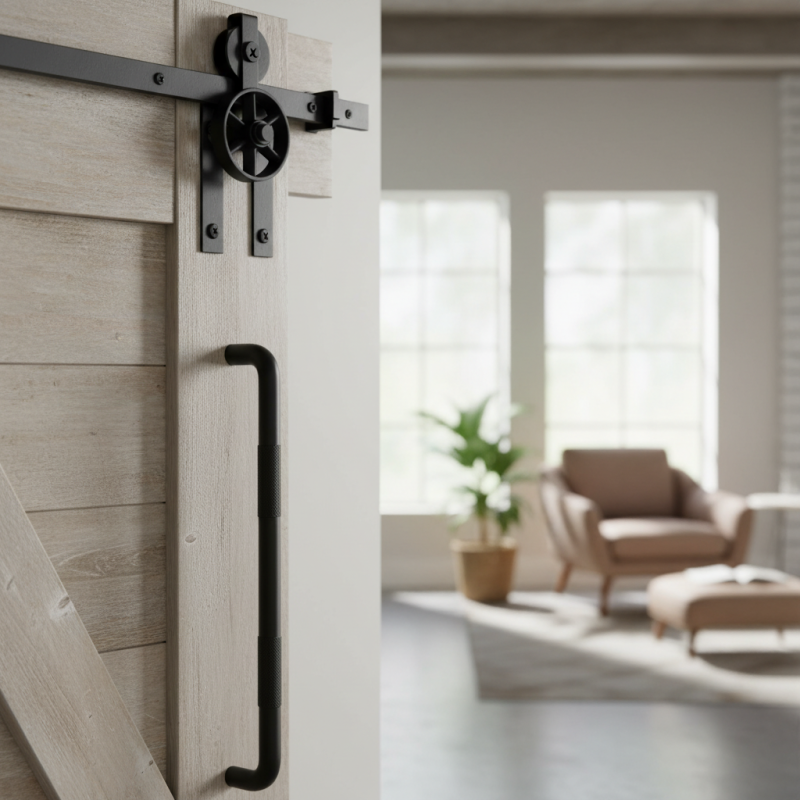
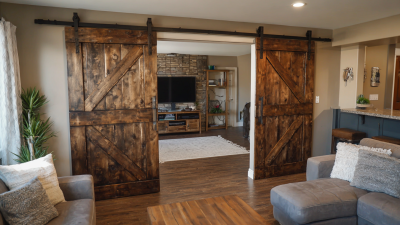
When selecting a barn door hardware kit, style is a key factor. Barn doors come in various designs, each offering a unique aesthetic. Consider the overall theme of your home. Rustic styles pair well with farmhouse decor. A more modern approach suits contemporary interiors.
**Tips:** Look for a balance between function and design. You want hardware that complements your door but also serves its purpose. Check the quality of materials. Metal options often last longer than plastic ones.
Sliding mechanisms vary as well. Some are quieter than others. Researching user reviews can help identify the best options. A noisy door can become a nuisance over time, affecting daily use.
**Tips:** Pay attention to the door's weight. Not all hardware kits can handle heavier doors. Ensure your chosen kit supports your door’s size. It’s essential to measure accurately before purchasing. Consistency in measurements can prevent future regrets.
Research Quality and Durability: Materials Used in Hardware Kits
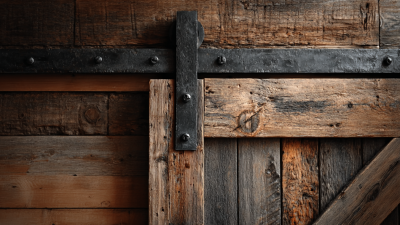
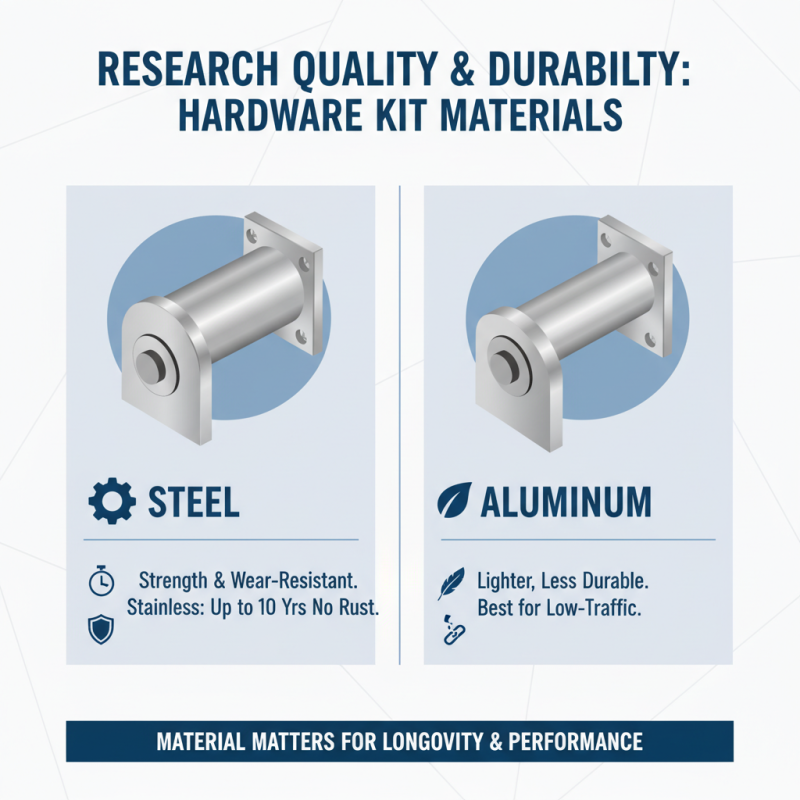
When selecting barn door hardware kits, the materials used significantly impact quality and durability. Steel is commonly preferred for its strength and resistance to wear. According to industry reports, stainless steel hardware can last up to 10 years without signs of rust. On the other hand, aluminum is lighter but less durable, making it suitable for lower-traffic areas.
Tip: Always check material specifications. Ensure that any hardware kit you consider meets your environment's demands. If you live in a humid region, opt for rust-resistant materials.
Wood and composite options exist, though they often require more maintenance. These materials may not withstand heavy use as well as metal counterparts. Remember that aesthetic appeal matters too; some designs prioritize style over functionality.
Tip: Request samples or look for detailed reviews. User experiences can reveal a lot about long-term durability. Balancing style with practical needs will yield the best outcome for your home.
Check Installation Requirements and Complexity of Installation
When choosing a barn door hardware kit, understanding installation requirements is key. Different kits have varying instructions, which can affect your choice significantly. Some kits may look appealing but require advanced skills for installation. It's crucial to assess your abilities honestly. Not everyone is a DIY expert, and some projects can become overwhelming.
Check if the kit includes a detailed installation guide. This can be helpful, especially for beginners. A straightforward installation can save time and frustration. Pay attention to whether the kit requires special tools. This might add to your costs and complexity. Ensure you have everything ready before starting to avoid interruptions.
Tip: Consider your wall structure before selecting a kit. Some hardware can only be installed on wooden studs, while others work well on concrete walls. Measurement is crucial; otherwise, you might end up with an ill-fitting door. Always double-check your workspace for any obstacles that could complicate the installation process. It's easy to overlook small details, but they can lead to significant issues later.
Analyze Costs vs. Benefits of Various Barn Door Hardware Kits
When evaluating barn door hardware kits, it’s essential to analyze costs versus benefits. A recent industry report indicated that high-quality kits can range from $100 to over $500. This can initially seem overwhelming. However, investing in a reliable kit can save money in the long run through durability and reduced maintenance.
Many options are available, with varying materials and designs. For instance, stainless steel kits often offer better longevity compared to cheaper options made from plastic. Data suggests that metal kits can last up to 15 years, while less expensive alternatives may need to be replaced within five years. The trade-off here is clear; a higher initial cost may yield savings on replacements and repairs.
Further, installation costs should be factored in. Hiring a professional will typically run between $200 and $600, depending on complexity. However, many users report DIY success, which can save significant money. Be aware that improper installation may lead to safety hazards or damage to the door. Balancing these costs against the benefits of a functional, aesthetic choice is crucial. Ultimately, understanding your specific needs and usage can guide a more satisfying investment choice.
Cost vs. Benefit Analysis of Various Barn Door Hardware Kits