How to Choose the Best Door Hardware for Your Needs?
Selecting the right door hardware is crucial for both functionality and aesthetic appeal. According to a 2021 report by the National Association of Home Builders, 73% of homeowners prioritize door hardware quality when renovating. This statistic highlights the importance of understanding your specific needs. Quality door hardware not only enhances the look of your space but also provides security and durability.
The choice of door hardware can be overwhelming. With numerous styles, materials, and functions available, making an informed decision is essential. A survey by the American Institute of Architects revealed that 85% of architects believe that the right door hardware can significantly impact a building's safety and efficiency. This makes careful consideration of door hardware vital.
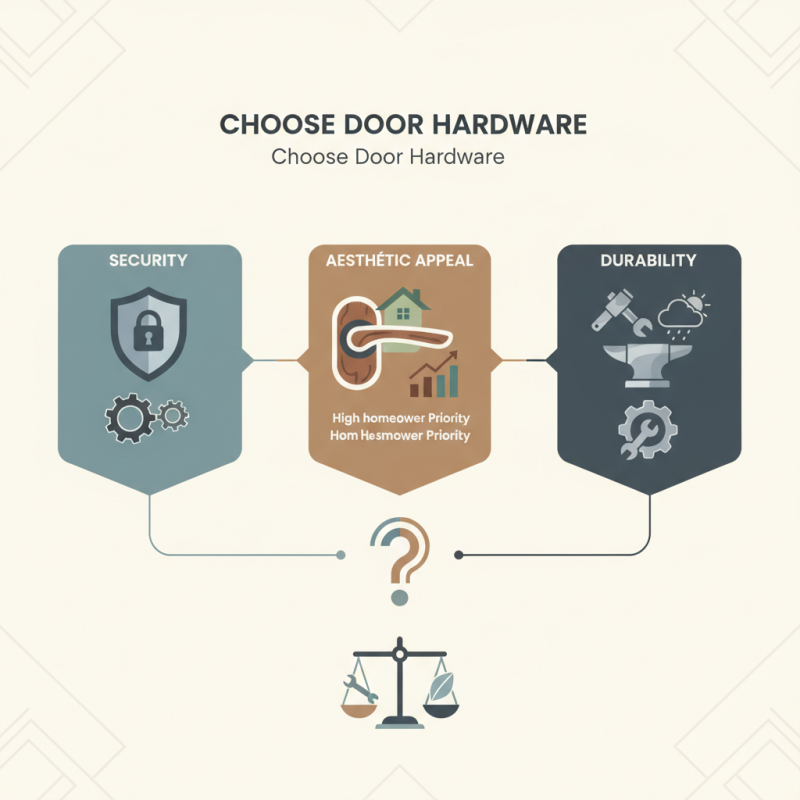
Moreover, selecting door hardware involves reflecting on various aspects. Are you prioritizing security or design? Do you want durable materials that withstand weather changes? A mistake in choosing the wrong hardware could lead to costly replacements. Thus, understanding your options and assessing your requirements can lead to better long-term satisfaction.
Understanding Different Types of Door Hardware: A Comprehensive Guide
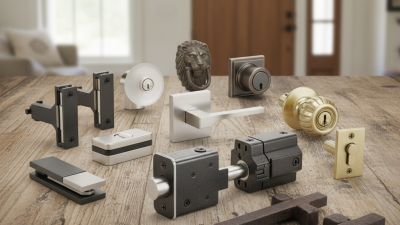
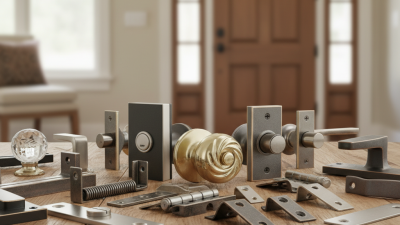
Choosing the right door hardware can significantly impact both functionality and aesthetics. Understanding the various types available is essential for making an informed decision. The most common types include handles, locks, hinges, and knobs. Each serves a distinct purpose and varies in design. For instance, lever handles offer ease of use, especially for those with mobility issues. Simple door knobs can be stylish but may require more effort to operate.
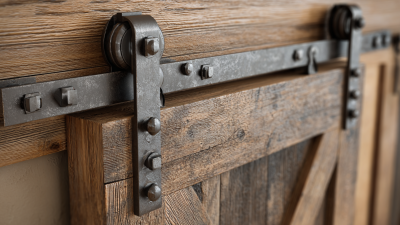
Locks are vital for security. They come in different forms, such as deadbolts and smart locks. Deadbolts provide robust security but can be cumbersome. Smart locks add convenience, allowing keyless entry. However, they rely on batteries and might face technical issues, requiring reflection on their reliability. Hinges are crucial as well, supporting the door's weight. They vary in durability, and poorly chosen hinges can cause misalignment over time.
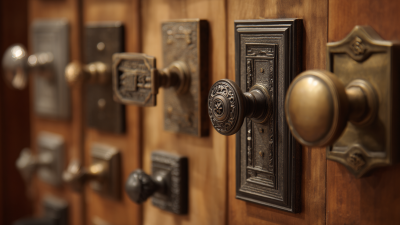
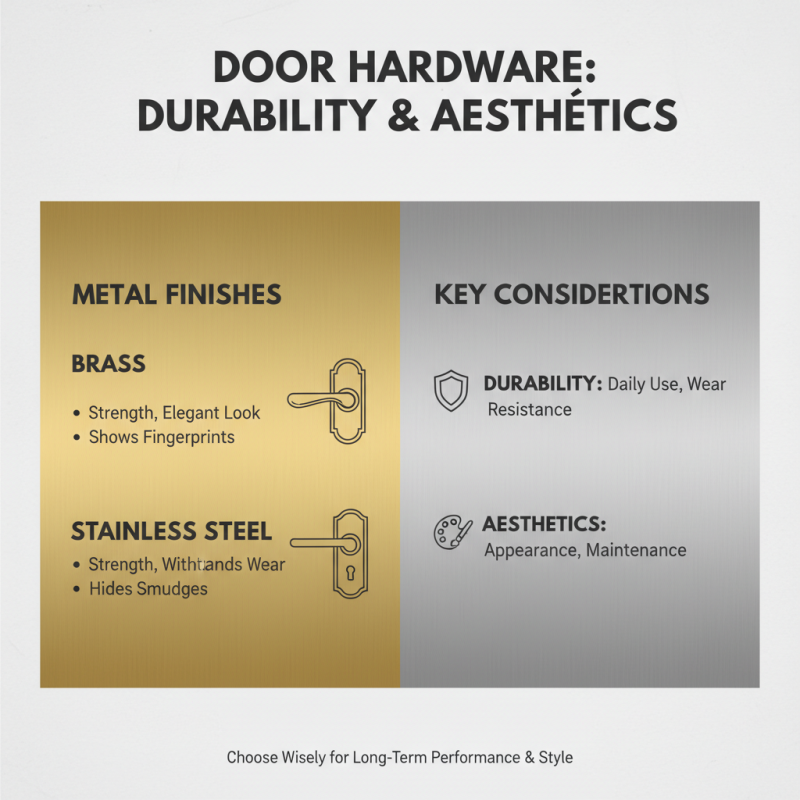
Think about the materials too. Brass is durable and can add a classic touch. Stainless steel is modern and resistant to corrosion, but it can feel cold in certain settings. Ultimately, a comprehensive understanding of these categories allows you to select hardware that meets your aesthetic and practical needs, ensuring your doors enhance your living space effectively.
How to Choose the Best Door Hardware for Your Needs? - Understanding Different Types of Door Hardware: A Comprehensive Guide
| Type of Door Hardware |
Material |
Finish Options |
Security Level |
Price Range |
| Deadbolts |
Steel, Brass, Aluminum |
Satin Nickel, Polished Brass, Matte Black |
High |
$50 - $150 |
| Knobs |
Zinc, Brass |
Oil Rubbed Bronze, Chrome, White |
Medium |
$10 - $40 |
| Levers |
Stainless Steel, Brass |
Satin Chrome, Black, Antique Brass |
Medium to High |
$20 - $80 |
| Peepholes |
Plastic, Metal |
Brushed Nickel, Polished Brass |
Low to Medium |
$5 - $25 |
| Smart Locks |
Steel, Plastic |
Satin Nickel, Matte Black |
High |
$100 - $300 |
Evaluating Material Options for Durability and Aesthetics in Door Hardware
When choosing door hardware, material options greatly influence durability and aesthetics. Metal finishes, such as brass and stainless steel, offer strength. They withstand daily use and resist wear over time. However, the look of metal can vary. An elegant brass might show fingerprints, while brushed nickel hides smudges better.
Wood hardware brings warmth and a traditional feel. It can complement classic home designs. Yet, wood often requires more maintenance to prevent warping or damage. Consider the climate of your area. In humid locations, metal may outlast wood.
Tips: Always test hardware before purchasing. Examine how it feels in your hand. Check the lock mechanism for smooth operation. A well-functioning lock enhances security and convenience.
Consider finishes carefully. Matte or satin may suit modern decor, while polished options might fit vintage styles. Your choice should reflect both your personal taste and practical needs. Don't rush this decision. Spend time evaluating all materials to achieve the best balance in your home.
Assessing Security Features: What You Need for Maximum Safety
Choosing the right door hardware is crucial for safety. Security features are often the first priority. If you assess these features carefully, you can enhance your home's protection. Look for solid materials and durable designs. Reinforced locks provide more strength against break-ins. Many people overlook this key aspect.
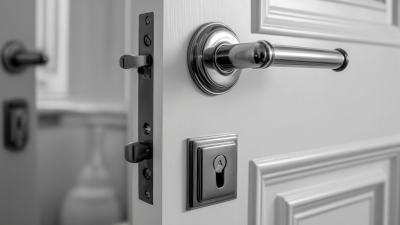
When selecting door hardware, pay attention to the type of lock. Deadbolts are more secure than standard cylinder locks. A well-constructed deadbolt can deter intruders effectively. It's essential, however, to install them correctly. An improperly installed lock offers a false sense of security.
Tips for enhancing security include installing a peephole. This simple addition allows you to see visitors without opening the door. Use high-quality strike plates; they strengthen the doorframe. Don't forget about your exterior lighting. Well-lit entryways deter criminals. Remember, the best security measures work in tandem. Consider the access points around your home. A single weak link can compromise your entire security system.
Choosing the Right Finish: Aesthetic Appeal vs. Functionality in Hardware
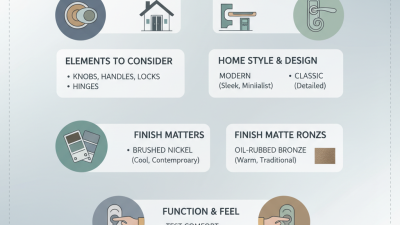
When choosing door hardware, the finish plays a crucial role. The right finish can enhance the overall aesthetic of your space while serving practical purposes. A shiny chrome finish may look modern, but it can show fingerprints easily. On the other hand, a matte black finish offers a minimalist look and hides smudges well. However, some may find it too stark in a warm setting.
Tips: Examine samples in your space and consider natural light. What looks good in a store may not feel the same at home. Think about the door style, too. A Craftsman-style door pairs beautifully with oil-rubbed bronze hardware, while sleek contemporary designs shine with polished metallics.
Functionality cannot be overlooked. A beautiful finish can wear down over time. Make sure to prioritize durability. Some finishes resist rust and corrosion better than others. You might appreciate a brushed nickel finish for its durability and easy maintenance. Consider how often the doors are used. Hardware in high-traffic areas may need a more robust finish to withstand wear. Balancing aesthetics and functionality is essential. Be reflective about what truly matters for your living space.
Choosing the Right Finish: Aesthetic Appeal vs. Functionality in Hardware
Budgeting for Door Hardware: Costs, Lifespan, and Value Considerations
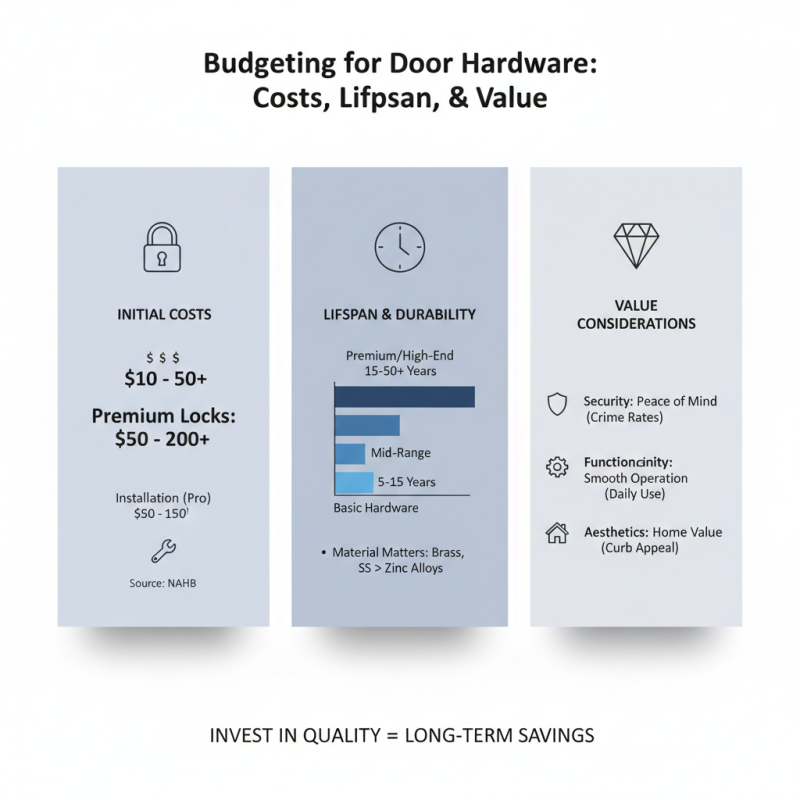
When budgeting for door hardware, several factors affect overall costs. According to the National Association of Home Builders (NAHB), quality hardware can vary widely in price. Basic locks may start around $10, while premium options can exceed $200. Considering installation costs is crucial, as professional setup might add another $50 to $150 to your total.
The lifespan of door hardware is another key consideration. Most residential locks have a lifespan of 5 to 10 years, depending on their materials and usage. Investing in higher-quality hardware often means better durability. Reports indicate that investing 20% more in reliable products can yield up to 50% longer lifespan. This is a critical factor if you want to minimize future replacement costs.
Tip: Always prioritize security when choosing door hardware. Cheap locks can compromise safety, leading to potential losses.
Tip: Factor in maintenance as well. Some hardware requires regular maintenance; choose products that are easy to care for.
Reflecting on these points will ensure you make an informed decision about the door hardware that meets your specific needs.