How to Choose the Best Hand Rails for Steps: Safety and Style Tips
When it comes to enhancing the safety and aesthetic appeal of your home, selecting the right hand rails for steps is crucial. These essential fixtures not only provide support and stability when navigating stairs but also contribute to the overall design of your entrance or interior. A well-chosen hand rail can complement your home’s architecture, reflect your personal style, and ensure that anyone using the stairs feels secure.
In this guide, we will explore key factors to consider when choosing the best hand rails for steps. From materials and finishes to design styles and installation tips, understanding these elements can significantly impact both safety and visual appeal. Whether you prefer classic wooden rails, modern metal designs, or something entirely unique, aligning your choice with safety regulations and your home’s style is imperative. By making informed decisions, you can create an inviting and secure environment for all who enter your home, ensuring that hand rails not only serve their function but also enhance the beauty of your space.

Understanding the Importance of Hand Rails for Steps
Hand rails are a critical safety feature for steps, providing both support and stability for individuals navigating elevation changes. Their importance cannot be overstated, particularly in environments where slips and falls are a concern. Hand rails assist individuals of all ages and physical capabilities, from children learning to climb stairs to elderly individuals who may require extra aid. By promoting accessibility and reducing the risk of accidents, hand rails contribute significantly to creating safer living spaces.
In addition to their safety benefits, hand rails also offer opportunities for enhancing the aesthetic appeal of a home or building. With a variety of materials, styles, and finishes available, homeowners can choose hand rails that complement their architectural design while providing functionality. Whether opting for sleek metal designs to create a modern look or classic wooden rails for a traditional feel, the careful selection of hand rails can enhance the overall atmosphere of the space. Therefore, investing in quality hand rails is essential not only for safety but also for elevating the visual charm of stairway areas.
Key Safety Features to Consider When Choosing Hand Rails
When selecting handrails for steps, safety features should take precedence over aesthetics. According to the National Safety Council, falls are a leading cause of injury, particularly in homes with stairs. Therefore, ensuring that your handrails meet specific safety standards is crucial. The handrails should be at a height between 34 to 38 inches above the stair nosings, which adheres to guidelines set forth by the International Building Code. This height not only provides adequate support but also helps prevent falls by offering a secure grip.
Moreover, the material used for handrails influences their effectiveness and durability. A report from the American National Standards Institute highlights that handrails must be made from materials that can withstand significant wear and tear, especially in outdoor environments. Non-slip surfaces are essential to help prevent slipping, particularly in wet conditions. Additionally, the handrail design should offer continuous support without abrupt breaks, accommodating various user needs, including children and the elderly. A well-designed handrail can reduce the risk of falls by 50%, making it a vital investment for any stairway.
Materials and Design Options for Stylish Hand Rails
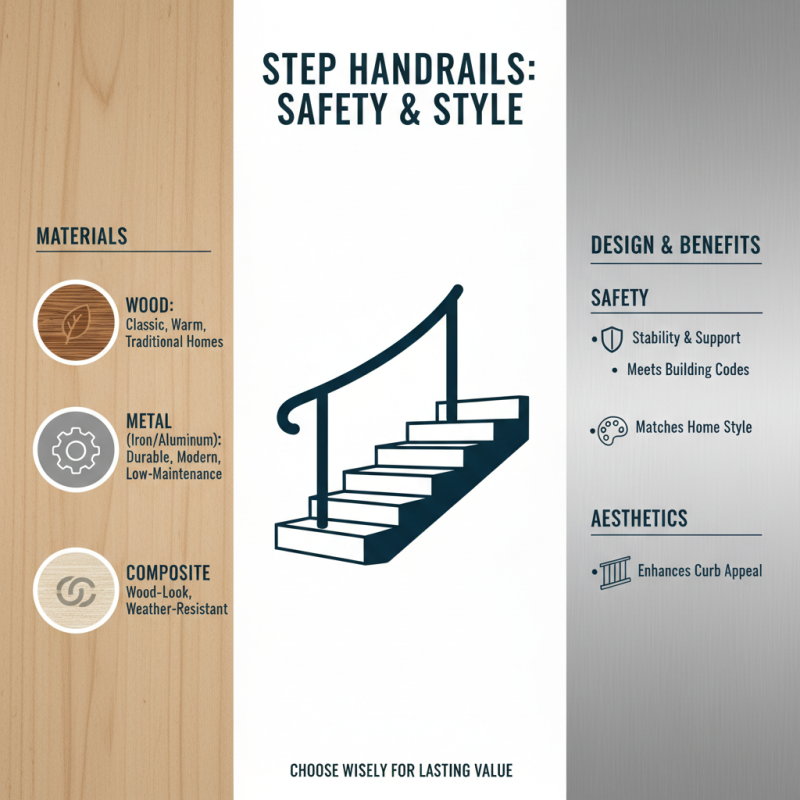
When selecting handrails for steps, considering materials and design options is crucial for both safety and aesthetic appeal. Common materials include wood, metal, and composite options, each offering unique benefits. Wood provides a warm, classic look that can enhance traditional homes, while metal handrails, such as wrought iron or aluminum, offer durability and are often favored for modern designs. Composite materials combine the best of both worlds, mimicking the appearance of wood while providing a more weather-resistant solution.
Design can play a significant role in how handrails complement your home’s overall style. Consider styles ranging from minimalist and sleek to ornate and decorative. Curved handrails can add a touch of elegance, while straight, angular designs may contribute to a contemporary aesthetic. Additionally, colors and finishes can be customized to match the surrounding elements, allowing you to create a cohesive look that ties your outdoor or indoor space together.
Tips for choosing the right handrails include ensuring they meet safety regulations, such as height and grip width, while aligning with your personal style. It’s essential to consider the maintenance aspect as well; some materials may require more upkeep than others. Lastly, don’t overlook the importance of integrating the handrails with lighting features for added visibility and safety during nighttime use.
Measuring for the Perfect Fit: Installation Tips for Hand Rails
When it comes to installing handrails for steps, accuracy in measuring is crucial for both safety and aesthetics. Start by determining the height at which the handrail will be installed. Measure from the nosing of the top step to the desired height, typically between 34 to 38 inches. Using a level, mark this height on a vertical surface for reference. Next, measure the length of the staircase to ascertain the appropriate length of the handrail. It’s essential to account for any angle in the steps—using a measuring tape that can bend will help ensure precise measurements along the slope of the staircase.
Additionally, consider the spacing between the handrail posts, which should be no more than 6 feet apart to provide adequate support. As you plan for installation, take note of the materials you'll be working with; different materials may require unique fittings and installation techniques. Always double-check your measurements before cutting to avoid costly mistakes. With meticulous measuring and attention to installation details, your handrails will not only enhance safety but also complement the overall style of your home.
How to Choose the Best Hand Rails for Steps: Safety and Style Tips - Measuring for the Perfect Fit: Installation Tips for Hand Rails
| Feature |
Description |
Materials |
Style |
Safety Rating |
| Height |
Generally should be 34-38 inches above the steps. |
Metal, wood, PVC |
Classic, Modern |
Passed Safety Standards |
| Grip |
Ensure a non-slip surface for safety. |
Rubber grips, textured finishes |
Traditional, Contemporary |
High Friction Grip |
| Width |
A wider rail offers better support. |
Wood, Metal |
Minimalistic, Ornate |
Ergonomically Designed |
| Aesthetics |
Choose a style that complements your home design. |
Various finishes available |
Rustic, Industrial |
Style Compliant |
Maintaining and Caring for Your Hand Rails for Longevity
Maintaining and caring for your hand rails is essential to ensure their longevity and functionality. Regular inspections should be part of your routine to identify any wear or damage. Look for rust, loose connections, or cracks, especially in outdoor settings where weather conditions can take a toll. Cleaning the rails is equally important; use a mild detergent and soft cloth to remove dirt and grime, which can accumulate over time and lead to deterioration.
In addition to routine cleaning and inspections, applying protective coatings can enhance the life of your hand rails. For wooden rails, periodic sanding and re-staining or sealing are necessary to prevent moisture damage and fading. For metal rails, consider anti-corrosive paints or treatments to protect against rust and weather damage. These simple maintenance practices not only prolong the life of your hand rails but also ensure they remain safe and visually appealing, enhancing both functionality and aesthetic value in your home.