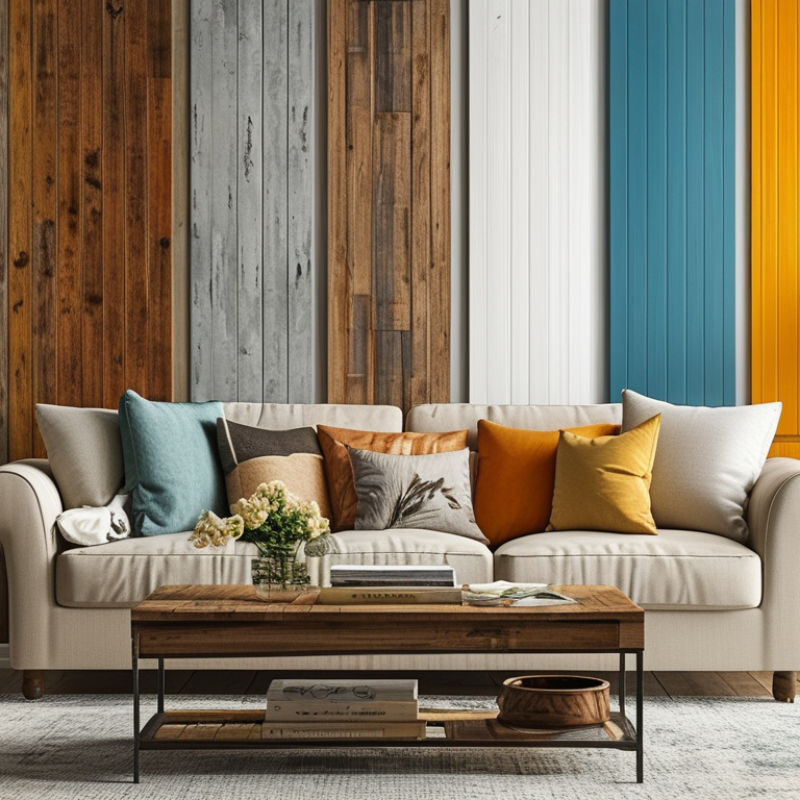
How to Choose the Best Indoor Decorative Wall Panel for Your Space?
Choosing the right Indoor Decorative Wall Panel can transform your space. It adds character and enhances the aesthetics of any room. With countless options available, the decision can feel overwhelming.
Consider your room's style. Is it modern, rustic, or eclectic? The right panel should complement your decor, not clash with it. Pay attention to colors and textures. A panel in a bold hue might energize a bland room. Conversely, subdued tones can create a calming atmosphere.
Also, reflect on practicality. Some materials are easier to maintain than others. Do you have pets or children? Durability may be a key factor for you. Each choice has its pros and cons. Explore materials like wood, metal, or vinyl. Understand what fits your lifestyle. Ultimately, selecting the perfect Indoor Decorative Wall Panel requires careful thought and a bit of trial and error.
Understanding Different Types of Indoor Decorative Wall Panels
When selecting indoor decorative wall panels, understanding their types is essential. There are several popular options. Wood panels add warmth and texture. They can be stained or painted to fit any decor. They also offer good insulation. However, real wood may warp over time, needing careful maintenance.
Another option is vinyl panels. Vinyl is lightweight and easy to install. It comes in various styles, simulating wood, stone, or even tiles. This makes it versatile. Yet, vinyl may not have the same luxurious feel as natural materials.
For a modern touch, consider metal panels. They reflect light and create an industrial vibe. They are durable and easy to clean but can feel cold in some spaces. Each panel type has its pros and cons. Reflecting on how each style meshes with your space will guide your choice effectively.
How to Choose the Best Indoor Decorative Wall Panel for Your Space?
| Type of Panel | Material | Texture | Durability | Installation Method | Cost Range |
| Wood Panels | Natural Wood | Smooth | High | Nail or Glue | $50 - $150 per panel |
| Vinyl Panels | PVC | Textured | Medium | Peel and Stick | $10 - $30 per panel |
| Metal Panels | Aluminum | Glossy | Very High | Screw or Clip | $75 - $200 per panel |
| Fabric Panels | Textile | Soft | Medium | Adhesive | $25 - $60 per panel |
| 3D Wall Panels | MDF | 3D Textured | High | Glue | $40 - $120 per panel |
Assessing Your Space: Size, Style, and Functionality Considerations
Assessing your space is crucial when selecting indoor decorative wall panels. Begin by measuring your wall area. Knowing the dimensions helps prevent mistakes. A too-large panel can overwhelm a small room. Conversely, small panels may feel lost on expansive walls.
Consider the style of your space. Is it modern, rustic, or eclectic? Panels come in various designs that complement these styles. Textured panels add depth to minimalist spaces. Bold prints may enhance a vibrant aesthetic. Always visualize how different options align with your room's existing elements.
Functionality is another key factor. Panels can serve a decorative purpose, but they also offer insulation or soundproofing. Assess your needs carefully. Some options may require more maintenance than others. Reflect on the long-term implications of your choice. This is where most people tend to overlook. Make sure you consider aesthetics alongside practical value.
How to Choose the Best Indoor Decorative Wall Panel for Your Space?
This chart illustrates the importance of size, style, and functionality considerations when selecting indoor decorative wall panels.
Material Selection: Comparing Wood, PVC, and Fabric Panels
When choosing indoor decorative wall panels, material selection plays a crucial role. Wood panels offer a classic look, contributing warmth and elegance to any space. According to a recent industry report, wood panels remain a popular choice due to their durability and aesthetic appeal. However, they can be expensive, with costs ranging significantly based on species and finish. Installation can also be challenging, requiring skilled labor to achieve the desired effect.
PVC panels, on the other hand, are often chosen for their affordability and ease of maintenance. They are lightweight, making installation simple, even for DIY projects. Data indicates that PVC panels can be up to 30% cheaper than wood options. However, their synthetic composition can detract from the natural feel of a space. Many homeowners struggle with the visual difference between PVC and natural materials, leading to mixed reviews.
Fabric panels offer flexibility in design, allowing for a soft, textured look. They can absorb sound, improving acoustics in large rooms. Yet, fabric panels may require more care. Exposure to moisture can lead to mildew, which is a known risk. This requires careful consideration about placement, especially in humid areas. Users must weigh the visual and functional benefits against the potential maintenance challenges.
Color and Texture: How to Match Panels with Your Interior Decor
Choosing the right indoor decorative wall panels can significantly impact your space's aesthetic. Color and texture are crucial elements that connect your panels to the overall theme of your interior design. According to industry reports, 70% of consumers focus on color choices when enhancing their homes. This makes understanding hues and textures all the more important.
When selecting colors, consider the mood you want to create. Lighter shades can make a room feel spacious, while darker tones offer warmth. Textures add an additional layer of depth. A smooth finish can convey modernity, while a rustic texture can evoke a cozy atmosphere. Combining textures effectively can also engage the senses and create visual interest.
Tips: Choose two to three complementary colors for cohesion. Use contrast to highlight certain areas. Don't forget to experiment with textures. A panel that seems perfect may not fit your overall vision when placed on the wall. Reflect on how the colors and textures interact with your existing decor. Staying flexible will allow you to make adjustments as needed. Remember, design is subjective, and there is no one right way to enhance your space.
Installation Options: DIY vs. Professional Help for Wall Paneling
When it comes to wall paneling, choosing between DIY installation or hiring a professional can be pivotal. DIY projects can be rewarding, but they require time and effort. If you are experienced with tools, you may enjoy this challenge. However, if you lack experience, it can lead to mistakes. Wall panels often need precise measurements and cuts, which can be stressful without proper skills.
For those who prefer a professional touch, hiring an expert ensures a flawless finish. Professionals come equipped with the right tools and experience. They can handle complicated designs and heavy materials. Yet, this option will cost more. Balancing your budget against your skill level is crucial. Remember to check references and past work for any professional you consider.
Tips:
Measure your wall space carefully before starting. It’s better to have extra materials than to run short. Plan your design in advance to visualize the outcome. If you're opting for DIY, start with a small area. This allows for adjustment and learning without major commitment.