How to Choose the Best Indoor Stair Railing Kits for Your Home?
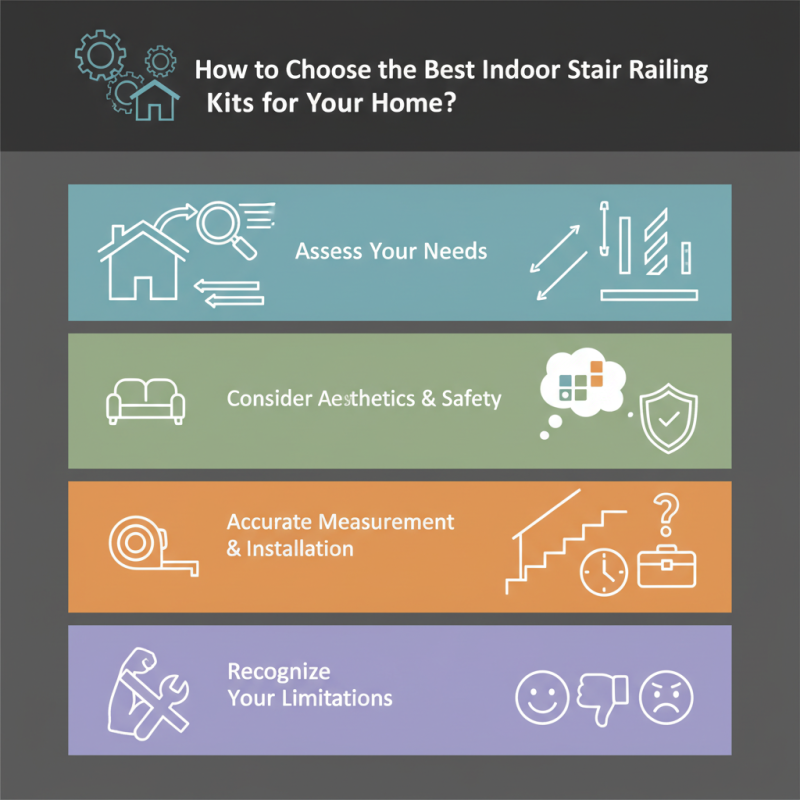
Choosing the best indoor stair railing kits for your home can be a daunting task. With various styles, materials, and designs available, it’s essential to assess your needs carefully. Indoor stair railing kits not only enhance safety but also add a decorative touch to your interiors.
When selecting these kits, consider the overall aesthetic of your home. Think about the existing furniture and color scheme. A mismatched railing can disrupt the harmony of your space. You may find some kits appealing, yet they lack proper safety features.
Measuring your stairs accurately is crucial. Many homeowners often overlook this step, leading to regret later. Additionally, reviewing installation instructions can make a significant difference. It’s important to ensure that you feel comfortable with the assembly process. Recognizing your limitations can save you time and frustration.
Factors to Consider When Selecting Indoor Stair Railing Kits
When selecting indoor stair railing kits, several factors should be considered. The material is crucial. Wood offers warmth and classic appeal. Metal, like stainless steel, brings modern flair. Each material has its pros and cons. Think about durability versus aesthetics.
Safety is another key factor. Ensure the height of the railing meets local building codes. Look for kits that provide adequate grip and stability. Test the railing before installation. You want it to feel secure under pressure.
Keep in mind the style of your home. A simple design can clash with a traditional environment. Likewise, ornate railings may overwhelm a minimalist space. Measure the staircase accurately. A poorly fitted railing can look awkward. Visualize how each option fits within your home’s overall decor.
How to Choose the Best Indoor Stair Railing Kits for Your Home?
| Factor |
Description |
Importance Level |
| Material |
Choose durable materials such as wood, metal, or composite that match your home decor. |
High |
| Height |
Ensure the railing height complies with local building codes for safety. |
Critical |
| Design |
Select a design that enhances the aesthetic appeal of your staircase. |
Medium |
| Installation |
Determine if you need a professional for installation or if it can be a DIY project. |
Medium |
| Cost |
Consider your budget and the long-term value of the investment in safety and style. |
High |
| Safety Features |
Look for kits with safety features such as rounded edges and sturdy supports. |
Critical |
Types of Materials Used in Indoor Stair Railings and Their Durability
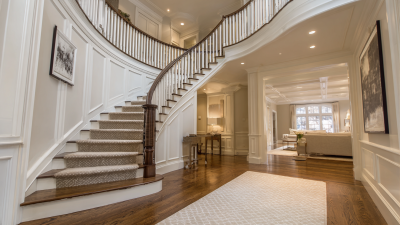
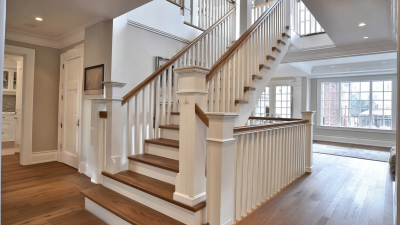
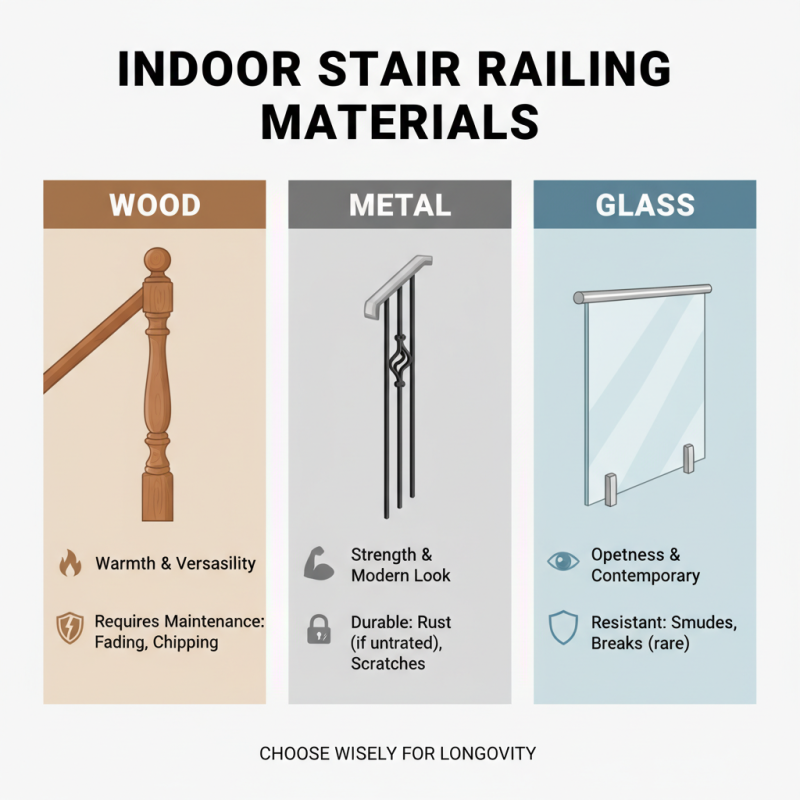
When selecting an indoor stair railing, material choice is vital. Wood, metal, and glass are popular options. Each material has unique durability levels that can affect longevity. Wood offers warmth and versatility but may require regular maintenance. The grain can fade and finish may chip over time.
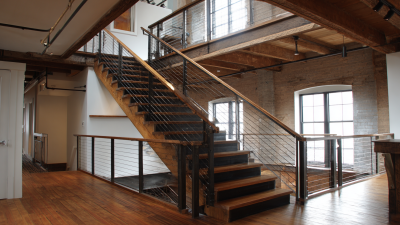
Metal railings, like wrought iron or aluminum, bring strength and a modern look. They resist rusting, but can be cold to the touch. Over time, painted surfaces might peel or scratch. Glass railings provide an elegant, unobstructed view but are prone to fingerprints and smudges. They also require a framework that withstands pressure without breaking.
Consider the aesthetic you want. Reflect on how different materials age. A beautiful wood railing might develop character, while metal can seem stark. Each choice impacts the overall feel. Weigh the upkeep against visual appeal for the best fit.
Safety Standards and Regulations for Stair Railing Kits
When choosing indoor stair railing kits, safety is paramount. Each region has specific safety standards and building codes that must be adhered to. It’s essential to check local regulations. These rules often outline the minimum height for railings, spacing between balusters, and materials used. Compliance ensures safety for children and the elderly.
Consider the height of your railing. Many guidelines suggest a height between 34 to 38 inches, providing a secure grip. The spacing between balusters should ideally be less than four inches to prevent accidental falls. The materials also play a crucial role. Wood, metal, and glass can be stylish, but they must meet strength and durability standards. Often, homeowners overlook these details. Aesthetic choices should never compromise safety.
In addition to regulations, reflect on your household’s daily activities. If there are kids or elderly members, a sturdier railing might be necessary. Evaluate your chosen design against potential hazards. Sometimes, a beautiful railing may look inviting but fails to meet regulations. Address these concerns upfront. It’s better to invest time now than face issues later.
Cost Analysis: Budgeting for Indoor Stair Railing Installation
When budgeting for indoor stair railing installation, you need to consider several factors. The cost of materials varies widely based on the type of railing you choose. Wooden railings are often less expensive than metal or glass options. Installation costs can also add up. Hiring professionals might seem convenient, but it can stretch your budget.
Tips: Always get multiple quotes. This way, you can compare prices and services. Look for local suppliers. They may have sales or discounts that online retailers do not.
Don't forget to factor in maintenance costs. Some materials require regular upkeep. For example, wood railings need staining or painting. This can be overlooked during initial budgeting but will affect long-term costs.
Tips: Consider choosing durable materials. This can save you money in the long run. Ask about warranty options. A good warranty can lessen future repair costs. Keeping these details in mind will help you stay within budget.
Cost Analysis of Indoor Stair Railing Installation
This chart illustrates the estimated costs for different indoor stair railing materials. Each bar represents the financial investment required for specific materials, allowing homeowners to budget effectively for their project.
Design Trends in Indoor Stair Railings for Modern Homes
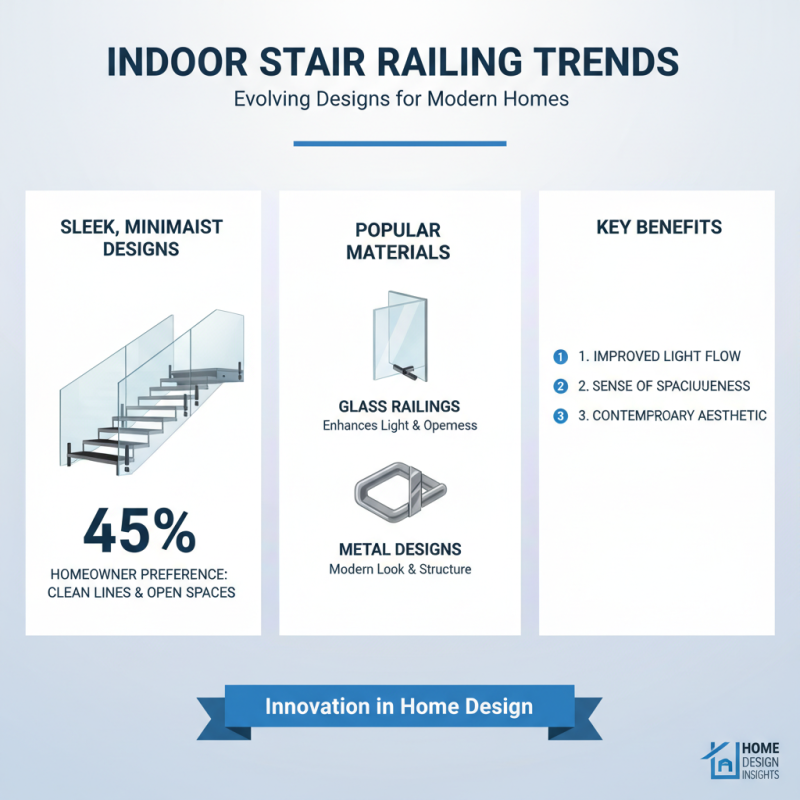
Design trends in indoor stair railings are evolving quickly. Modern homes often feature sleek, minimalist designs. A recent study showed that 45% of homeowners prefer clean lines and open spaces. This preference drives the popularity of glass railings and metal designs, which enhance light flow and create a sense of openness. Their transparency offers a modern look while maintaining safety and structure.
However, striking a balance between aesthetics and functionality is vital. Many homeowners overlook the importance of durability. A railing that looks great but cannot withstand daily use may lead to regrets later. Research indicates that 36% of people experience dissatisfaction with their railing choice after installation. Materials like stainless steel or tempered glass offer longevity. Still, they require a keen eye for quality and craftsmanship to ensure safety.
Traditional wood railings are also making a comeback but in unexpected finishes. Customization is key; many now consider color, texture, and height. A study found that 57% of buyers desire railings that reflect their personal style. Yet, the challenge remains to choose designs that complement existing decor. It’s a fine line between trendy and timeless, and many continue to struggle with their choices.