How to Choose the Best Indoor Stair Railing Kits for Your Home?
Choosing the right indoor stair railing kits for your home can be daunting. There are so many styles and materials available. Each option can dramatically affect your home's aesthetic and safety. Quality is crucial. You want a railing that fits securely and looks good. Various designs are out there, from sleek metal to traditional wood. Options abound, but it’s essential to prioritize durability and safety features.
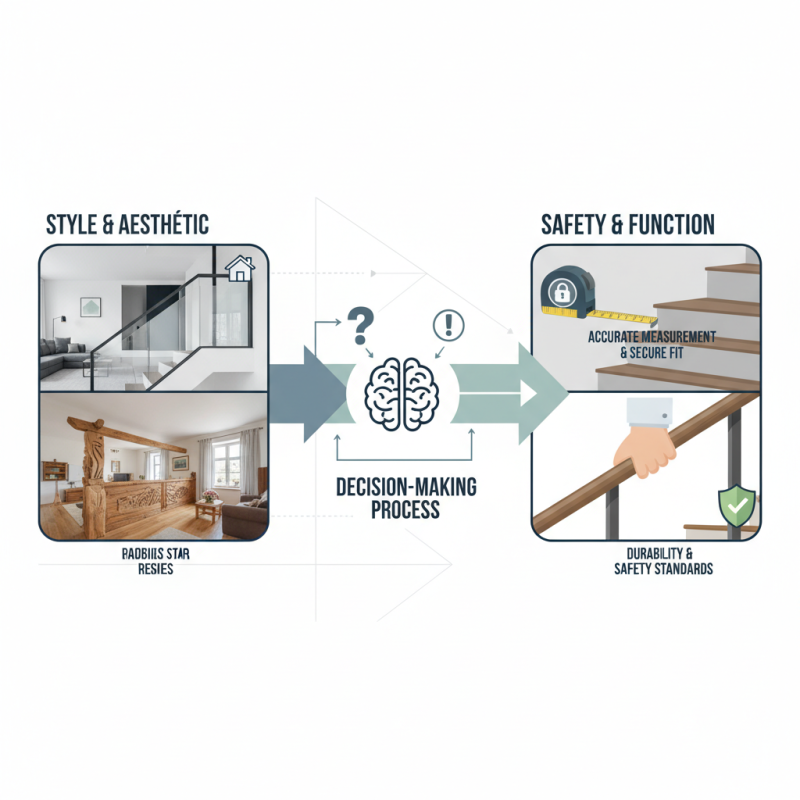
When selecting indoor stair railing kits, consider your home's interior style. A modern space might call for minimalist railings, while a rustic home may benefit from wooden designs. It's also vital to measure your stairway accurately. Ill-fitting railings can lead to safety hazards. Look for kits that meet safety standards. Research brands that are known for their reliability and quality. Experiences shared by other homeowners can offer valuable insights.
Remember, aesthetics shouldn't overshadow functionality. Rethink choices if they don’t meet both criteria. Choose a design that complements your décor while providing the necessary support. Take your time in this decision-making process. After all, the right indoor stair railing kits can enhance your home’s beauty and safety.
Key Factors to Consider When Selecting Indoor Stair Railing Kits
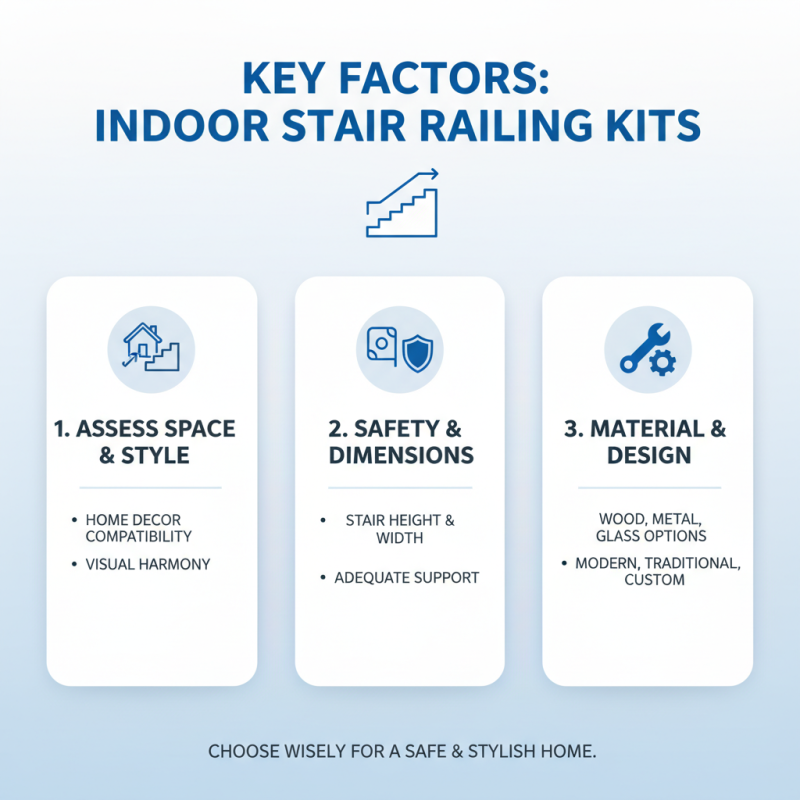
Selecting indoor stair railing kits is a crucial decision for any homeowner. Begin by assessing your space and the overall style of your home. This ensures that the railing complements your existing decor. Consider the height and width of your staircase. A railing too low or narrow may not provide the safety you need.
Material choice is another key factor. Wood offers warmth but requires more maintenance. Metal options are durable and modern, yet they may feel cold in certain settings. Think about how each material feels under your hands. This tactile experience can influence your decision.
Finally, don’t overlook safety features. Ensure the railing kit has sturdy support and meets local building codes. Take the time to evaluate all aspects. A rushed choice can lead to regrets later on. Seek advice from professionals if needed. Gathering all this information is essential for making an informed choice. Your stair railing will be both a functional and aesthetic element in your home.
Types of Materials Used in Indoor Stair Railing Kits
When selecting indoor stair railing kits, the materials used play a significant role. Wood is a classic choice. It offers warmth and charm. Many people appreciate its natural beauty. However, wood can warp or require maintenance. Consider if you have the time for upkeep.
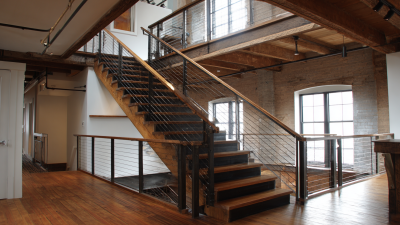
Metal is another popular option. Steel and aluminum are sturdy and modern. They can be styled in various ways. But metal can feel cold. It might not match every home style. A metal railing could also be slippery if not designed properly.
Glass railings provide an airy feel. They allow for unobstructed views. Yet, they can be prone to fingerprints and scratches. Cleaning can be a challenge. When choosing a material, think about aesthetics and practical needs. Each material has its pros and cons. Select what resonates with your lifestyle and home design.
Design Styles to Enhance Your Home's Aesthetic
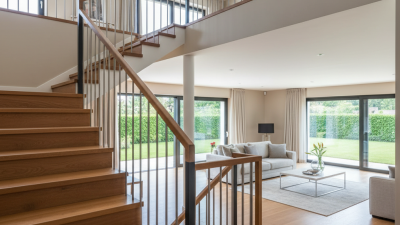
Choosing the right indoor stair railing can significantly enhance your home's design. Various styles cater to different aesthetics, creating a focal point in your space. For a modern look, sleek metal railings paired with glass panels can create an open feel. According to the American Institute of Architects, contemporary railings have seen a 30% rise in popularity over traditional wooden designs.
On the other hand, a rustic or farmhouse style brings warmth to your home. Wooden railings with distressed finishes can evoke a cozy atmosphere. A survey by HomeAdvisor revealed that 45% of homeowners prefer classic wooden railings for their charm. Consider integrating balusters with intricate designs to elevate this aesthetic further.
Despite the numerous options, choosing can be overwhelming. Each style presents unique challenges. Installation difficulty varies significantly across materials. Understanding your home's architecture is crucial. Be mindful of how different designs will harmonize with your existing decor. Taking time to reflect on your choices can lead to a more satisfying result.
Indoor Stair Railing Styles Popularity
Safety Features to Look for in Stair Railing Kits
When selecting indoor stair railing kits, prioritizing safety features is crucial. A sturdy railing can prevent falls and accidents, especially in homes with children or elderly residents. Look for kits made from durable materials that can withstand daily use. Steel or aluminum options are often recommended for their strength. Ensure the railing height complies with building codes. This typically means a height between 34 to 38 inches from the stair treads.
Another important factor is the spacing between balusters. Gaps should be narrow enough to prevent small children from slipping through. A spacing of fewer than 4 inches is ideal. Pay attention to the grip of the railing as well. A smooth, continuous grip can make a difference in emergency situations. Consider options with textured surfaces for added security.
While aesthetics matter, safety should always come first. Some designs may look appealing but compromise functionality. Evaluate how your choice impacts the overall safety of your stairs. Reflect on the installation process too. If it's complicated, you might overlook crucial safety measures. Take your time and ensure every detail aligns with your safety standards. Safety in stair railings is not just a feature; it’s a necessity for preserving the wellbeing of your loved ones.
How to Choose the Best Indoor Stair Railing Kits for Your Home? - Safety Features to Look for in Stair Railing Kits
| Feature |
Description |
Importance |
| Material Quality |
Durable materials like stainless steel, wood, or wrought iron. |
Ensures longevity and safety of the railing. |
| Height Compliance |
Regulated height typically between 34 to 38 inches. |
Prevents falls and meets building codes. |
| Spacing of Balusters |
Balusters spaced no more than 4 inches apart. |
Prevents small children from squeezing through. |
| Smooth Finish |
No sharp edges or protrusions. |
Reduces risk of injuries. |
| Installation Method |
Easy to install with appropriate hardware. |
Ensures a secure and safe mounting. |
Installation Tips for a Successful Railing Project
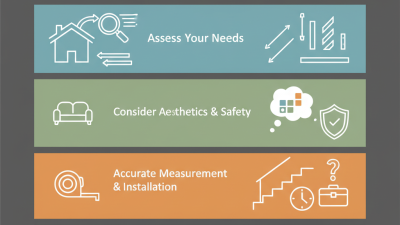
When installing indoor stair railings, preparation is key. Start by assessing the space. Measure the height and length of your staircase. According to the National Association of Home Builders, 80% of safety hazards arise from improper installation. Ensuring accurate measurements can prevent many of these issues.
Choose a railing style that complements your home’s interior. The right design enhances safety while adding aesthetic appeal. Safety codes often require railings to be between 34 and 38 inches high. Verify local regulations to avoid costly changes later.
During installation, use quality tools for better results. Tighten all connections securely. A reliable installation can last for years. Test the railing’s stability before considering the job done. Small mistakes during installation can lead to major safety risks. If you're unsure, consulting a professional might save time and money in the long run. Keep in mind that the best projects often involve learning from mistakes made along the way.