How to Choose the Best Indoor Stair Railings for Your Home?
Choosing the best indoor stair railings for your home is essential for safety and style. Indoor stair railings serve as a focal point in your interior design. They not only provide support when navigating stairs but also enhance the aesthetic appeal of your space.
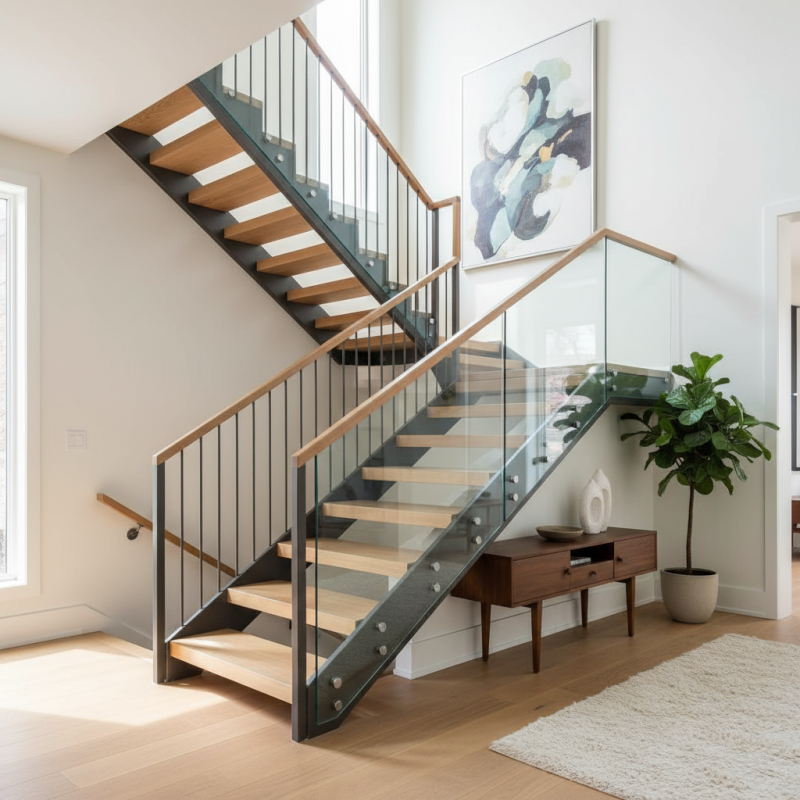
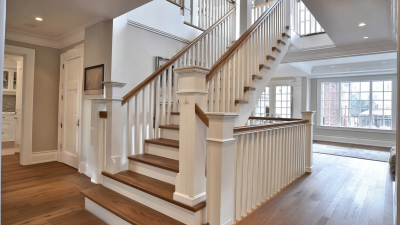
When considering indoor stair railings, think about the material. Options range from wood to metal and glass. Each material brings a unique charm. A wooden railing adds warmth. Metal can give a modern feel. Glass offers an open, airy look. Balance safety with design. Ensure the railings are sturdy and code-compliant.
Don't overlook the importance of color and style. Railings should complement your home's decor. Clashing styles can disrupt the harmony of your space. As you shop, take your time. Analyze your choices carefully. Reflect on how each option aligns with your vision. A well-chosen indoor stair railing can transform your home.
Understanding the Purpose of Indoor Stair Railings
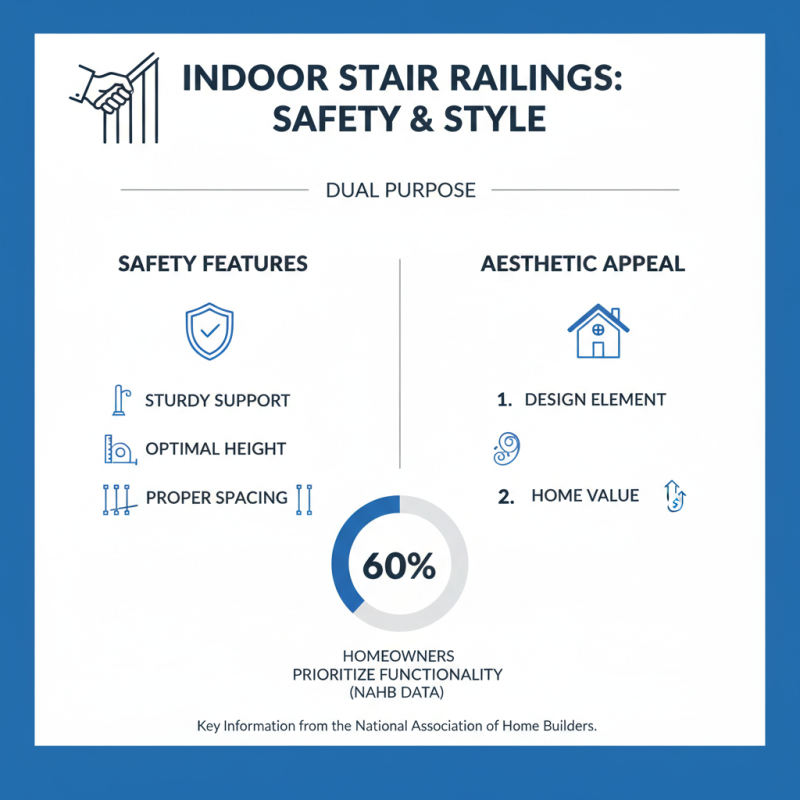
Indoor stair railings serve not only as safety features but also enhance the aesthetic appeal of your home. According to the National Association of Home Builders, over 60% of homeowners prioritize functionality in their interior design choices. This data highlights the balance between safety and style when selecting stair railings. Railings must be sturdy enough to support anyone who may need assistance while navigating stairs. The height and spacing of the railings play critical roles in ensuring safety.
The materials used for indoor railings are equally important. Studies from the American Institute of Steel Construction indicate that metal railings offer durability and low maintenance costs, making them a popular choice. Yet, wood railings provide warmth and can create a more inviting atmosphere. The choice of material affects not only durability but also your home's overall design. A mismatch between the railing style and the surrounding decor can lead to a disjointed look.
Additionally, it’s essential to consider the height and design of the railings. Most building codes require railings to be between 34-38 inches in height. However, personal preference and unique home designs can lead to deviations. Such choices should not compromise safety. As you choose, reflect on how each option fits within your home’s character while prioritizing secure functionality.
Evaluating Safety Standards for Stair Railings
When evaluating safety standards for stair railings, it is crucial to focus on both national and local building codes. Organizations like the International Code Council (ICC) set guidelines that provide a solid foundation for safety. According to the ICC, stair railings should be at least 34 inches high to ensure adequate support. Some reports state that nearly 6,000 individuals fall down stairs each year. Proper railings can significantly reduce this risk.
Material choice is also key in meeting safety standards. Wood, metal, and composite materials each have their advantages. Metal railings, for example, are often favored for their durability and strength. However, they can become cold or slippery in certain climates. In contrast, wood offers warmth but may require regular maintenance to prevent deterioration. The National Association of Home Builders (NAHB) suggests that inspecting railings for damage or wear is essential to maintain safety.
Assessing the spacing between balusters is another important factor. The maximum space should not exceed 4 inches to prevent small children from slipping through. This guideline is underscored by the Consumer Product Safety Commission, highlighting that child-related accidents are frequently reported. Taking these elements into account not only enhances safety but also promotes a more secure home environment.
How to Choose the Best Indoor Stair Railings for Your Home? - Evaluating Safety Standards for Stair Railings
| Material |
Safety Rating |
Height (inches) |
Spacing Between Bars (inches) |
Finish Type |
Durability Rating |
| Wood |
A |
36 |
3 |
Varnished |
High |
| Metal |
A+ |
36 |
4 |
Powder-coated |
Very High |
| Glass |
A |
42 |
N/A |
Tempered |
High |
| Composite |
B+ |
36 |
3 |
Textured |
Medium |
Exploring Materials Used for Stair Railings
When choosing indoor stair railings, the materials play a crucial role. Common options include wood, metal, glass, and cable. Each material offers unique characteristics that can influence your home’s aesthetic and safety.
Wooden railings provide warmth and traditional charm. They come in various finishes, but require regular maintenance to avoid wear. Metal railings, including wrought iron and aluminum, bring modern elegance. They are more durable but can be cold to the touch and may rust if not treated properly. Glass railings create a seamless look, enhancing natural light. They offer visibility but can be challenging to clean and require strong supports.
Tips: Consider the overall style of your home. Match the railing material to your interior design theme for cohesion. Think about safety too. If you have young children or pets, sturdier materials might be the best choice. Reflect on the maintenance aspect. Some materials may need more upkeep than you are willing to commit to. Choosing the right railing can be both an art and a science. It requires careful thought about both function and fashion.
Design Considerations for Aesthetic Appeal
When selecting indoor stair railings, aesthetic appeal plays a pivotal role. The right railing must complement your home’s style. Reports indicate that around 70% of homeowners consider visual aesthetics crucial during a renovation. Choosing materials like wood, metal, or glass can drastically alter the look of your space. Each material brings a unique texture and finish that can either enhance or detract from your home’s character.
Consider the design elements. For instance, intricate wrought iron can add elegance, while sleek glass offers a modern vibe. According to a survey by the National Association of Home Builders, 60% of buyers prefer a cohesive look that matches other interior design elements. Lighting also matters. Well-placed lighting can highlight railings and make a space feel inviting. Experiment with different styles before making a final choice. Taking time for reflection on how each option fits into your overall design is crucial.
Functionality should not be overlooked. A railing must be sturdy and safe. Too often, aesthetics overshadow practicality. Ensure that what looks good on the surface is also reliable. Familiarize yourself with safety standards in your region. Achieving harmony between beauty and functionality often requires careful thought. a well-designed stair railing should enhance your home while ensuring safety and stability. Balancing these factors is essential for a successful outcome.
Choosing Indoor Stair Railings: Design Considerations for Aesthetic Appeal
Installation and Maintenance Tips for Stair Railings
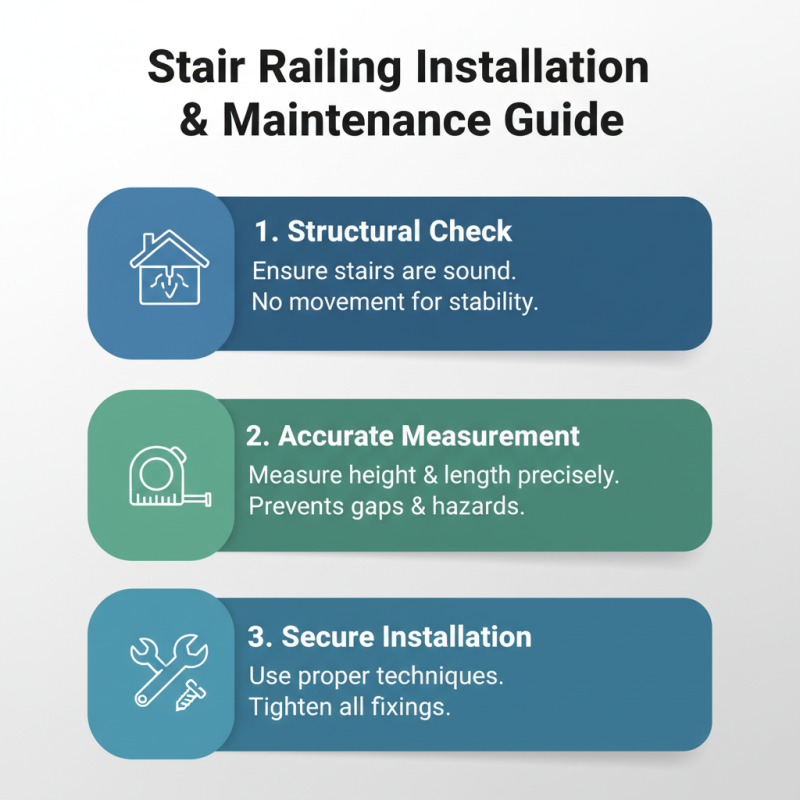
When it comes to installing stair railings, proper techniques are crucial. Begin by ensuring your staircase is structurally sound. Any movement in the stairs can affect the railing's stability. Measure the height and length needed for your railings accurately. A well-measured cut can prevent gaps, which may lead to potential hazards.
Consider the materials you use for installation. Wood, metal, and composite are all popular choices. Each material has unique maintenance requirements. For instance, wooden railings may need regular sealing, while metal varieties could rust over time. Regular inspections will help identify any wear and tear. Replacing damaged sections promptly ensures safety.
Maintenance plays a significant role in the longevity of your railings. A gentle cleaning routine can prevent buildup of dust and grime. For metals, use a soft cloth and suitable cleaner to avoid scratches. Wooden railings benefit from occasional polishing to retain their shine. Ignoring maintenance can lead to greater repair costs down the line. Remember, a little effort goes a long way in keeping your indoor stair railings secure and appealing.