How to Choose the Best Sliding Barn Door Hardware for Your Home?
Choosing the right sliding barn door hardware can transform your home’s aesthetic. In recent years, this trend has surged in popularity, with a report from the Home Improvement Research Institute indicating a 30% increase in sales for sliding barn door hardware annually. Homeowners appreciate how these doors can blend rustic charm with modern style. However, choosing the best hardware isn't always straightforward.
Industry expert James Thornton, CEO of Artisan Hardware, states, "Quality hardware is key to both function and style." This underscores the importance of selecting durable materials. Opting for poorly made components can lead to issues like misalignment or noise. Many homeowners discover too late that their initial budget does not account for eventual replacements and repairs.
Consider the finish, roller type, and weight capacity of the hardware. These aspects can greatly impact both appearance and functionality. It’s also crucial to evaluate your specific space needs. Ultimately, an informed choice in sliding barn door hardware not only enhances your décor but also adds to the elegance and efficiency of your home.
Factors to Consider When Choosing Sliding Barn Door Hardware
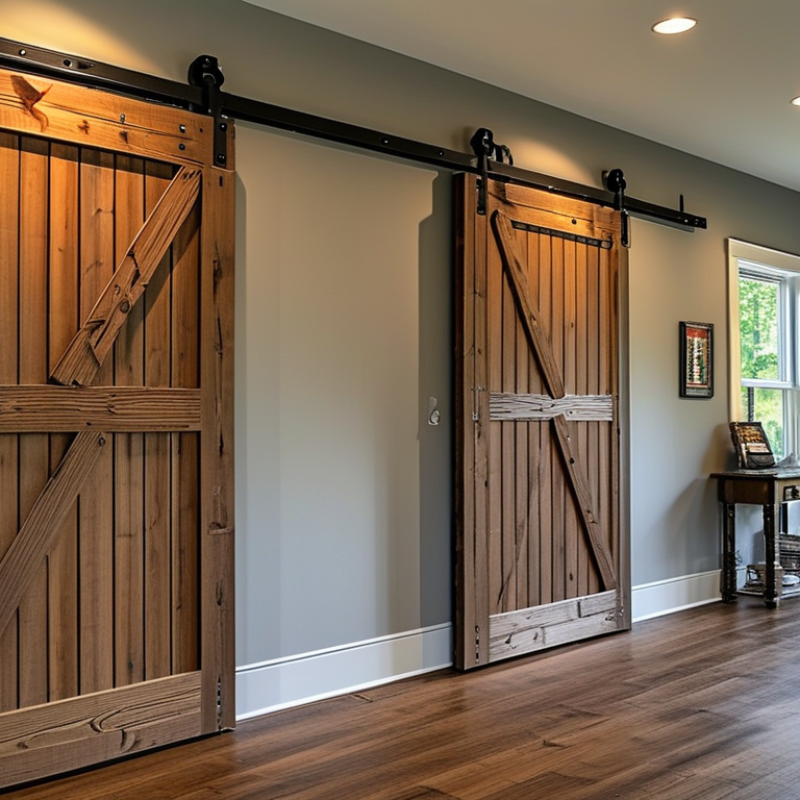
When choosing sliding barn door hardware, several factors must be considered to ensure you select the best option for your home. One crucial aspect is the weight capacity of the hardware. Heavy doors require robust systems that can handle their weight. According to industry standards, heavier doors (over 200 pounds) often need specialized tracks and rollers to function correctly. Ensure to check weight specifications before making a purchase.
Another important factor is the material of the hardware. Steel and aluminum are popular choices due to their durability. A 2021 survey by the American Door Hardware Association found that over 70% of homeowners prefer metal over plastic options for sliding doors. Metal options not only offer longevity but add an industrial aesthetic. However, remember that aesthetic preferences can be subjective, so ideally, assess what fits your style and functionality needs.
Finally, installation ease is vital. Some systems are complex and require professional help, adding to the overall cost. DIY-friendly options can save you money but may present challenges during installation. Always weigh your skills against the complexity of the system. Many users report frustration when systems don't fit as expected. Reviews from homeowners highlight this common pitfall, making it essential to conduct thorough research.
Types of Sliding Barn Door Hardware Available on the Market
When considering sliding barn door hardware, it's essential to explore the various types available. Popular options include track systems, which come in different materials like steel and wood. Each material has its unique aesthetic and durability. Steel tracks are robust and suited for heavy doors, while wooden tracks offer a rustic charm.
Another category is the roller mechanism. High-quality rollers can significantly affect functionality. Ball-bearing rollers provide smooth operation and reduce wear over time. A recent industry report noted that homeowners prefer soft-close systems. These features enhance safety and usability, especially in homes with children.
Additionally, various finishes are available to match your décor. Matte black, brushed nickel, or rustic bronze finishes can transform the look of your installation. However, selecting the right finish requires careful consideration of your overall interior design theme. Combining different materials and finishes can lead to conflicting styles, so finding a balance is crucial. Accurate measurements and compatibility checks with your door are vital to avoid installation issues.
Types of Sliding Barn Door Hardware Available on the Market
| Type |
Material |
Weight Capacity |
Style |
Price Range |
| Classic Sliding |
Steel |
150 lbs |
Traditional |
$100 - $250 |
| Modern Hanging |
Aluminum |
200 lbs |
Contemporary |
$150 - $300 |
| Rustic Strap |
Wrought Iron |
175 lbs |
Rustic |
$120 - $250 |
| Bypass Hardware |
Stainless Steel |
300 lbs |
Versatile |
$200 - $400 |
| Soft Close |
Composite |
250 lbs |
Modern |
$180 - $350 |
Assessing the Weight and Size of Your Barn Door for Hardware Selection
Choosing the right sliding barn door hardware starts with understanding your door's weight and size. These factors play a crucial role in selecting durable and suitable hardware. Heavy doors require sturdier tracks and rollers. A lighter door, on the other hand, can work with simpler systems.
Tips: Measure your door carefully. Accurate measurements can save you from future complications. Weigh your door precisely too. This helps to determine the right components.
Consider door size impact on hardware. A wider door may need additional support. Check if your wall can handle the installation weight. Sometimes, existing structures may not be ideal. It’s essential to assess these factors to avoid issues later.
There might be moments of uncertainty. You may not feel confident in your measurements. Seek help from a professional if needed. This can ensure safety and functionality in the long run. Reflection on your choices is key to success.
Style and Finish Options for Sliding Barn Door Hardware
Choosing the right sliding barn door hardware is essential for both functionality and aesthetics. Style and finish options play a crucial role in this selection process. Black and rustic finishes are popular for traditional designs. They add a vintage touch to any space. On the other hand, sleek, stainless steel hardware complements modern interiors. Mixing and matching styles can create unique combinations that make a statement.
When considering finish options, think about your home's overall decor. A matte finish can provide a minimalist look, while polished hardware can add a touch of elegance. Don't overlook the importance of durability. Some finishes may wear out quickly, affecting the door's appearance over time. It’s wise to consult with professionals or do thorough research before making a decision.
Remember, this choice also reflects your personal taste. Spending time exploring various styles helps you identify what suits your preferences. It's okay to feel overwhelmed. Just take it step by step, and don't rush the decision. Think about how the hardware interacts with your door and surroundings. Each element should work together harmoniously, contributing to the overall vibe of your home.
Choosing the Best Sliding Barn Door Hardware: Style and Finish Options
Installation Tips for Your Chosen Sliding Barn Door Hardware
When installing sliding barn door hardware, precision is crucial. According to industry reports, improper installation accounts for over 30% of door malfunctions. Ensure that the track is mounted level. Use a stud finder to locate wall studs, providing maximum stability. Avoid using only drywall anchors; they may not support the weight of your barn door.
Next, measure the door's height and width accurately before installation. The door should have a clearance of at least 1 inch above the floor. A gap allows for smooth operation and prevents wear on the hardware. Furthermore, consider the door's weight when selecting hardware. Heavy doors require stronger, more durable components.
During installation, follow the manufacturer’s guidelines closely. Misalignment can lead to poor performance and even damage. Take your time to confirm each step. It's better to adjust twice than to fix later. Even experienced DIYers face challenges. Reflect on your process and adjust as necessary. Each installation can teach a valuable lesson.