How to Choose the Best Wall Paneling for Your Home?
Choosing the right wall paneling for your home can transform your space dramatically. As interior design expert Sarah Johnson once noted, "The right wall paneling brings personality and style to any room." With countless options available, selecting the perfect material and design involves careful consideration.
Wall paneling not only enhances aesthetics but also adds functionality. Different styles can influence the mood of a room. For instance, wood paneling gives a warm, rustic feel while modern options can create a sleek, sophisticated ambiance. However, the choices can be overwhelming, and one must reflect on individual preferences and the architecture of the home.
Moreover, installation and maintenance come into play. Not every wall paneling is suited for humid environments or high-traffic areas. Familiarizing yourself with these nuances is essential for making a sound decision. Ultimately, wall paneling is not just an aesthetic choice; it reflects your taste and lifestyle. Consider these factors carefully to ensure your selection enhances your home effectively.
Identifying Your Style Preferences for Wall Paneling
When selecting wall paneling for your home, understanding your style preferences is crucial. A study from the National Kitchen & Bath Association indicates that 90% of homeowners prioritize aesthetics when making design choices. This means your personal taste and the atmosphere you wish to create should guide your selection.
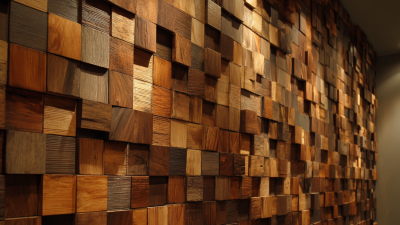
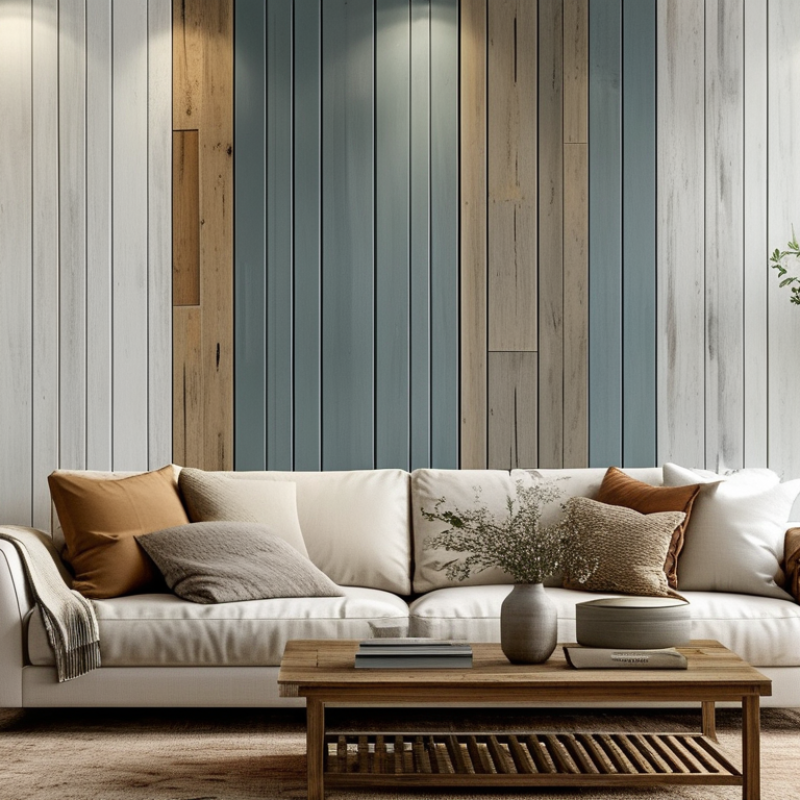
Consider the texture and finish of the paneling. For instance, wood paneling adds warmth and a classic touch. Alternatively, sleek, painted panels can lend a modern feel. Statistics show that transitional designs, blending traditional and contemporary styles, have gained immense popularity, appealing to about 42% of homeowners. If you lean towards the rustic or industrial vibe, reclaimed wood or metal accents may resonate with you.
Don’t ignore the functional aspects. Analyze the room’s purpose before deciding. For instance, sound-absorbing panels could benefit a home office, while moisture-resistant options are essential for bathrooms. Often, homeowners underestimate the impact of these choices on both aesthetics and functionality. Reflect on how each option serves your lifestyle. Making a well-informed decision increases satisfaction.
Understanding Different Types of Wall Paneling Materials
When selecting wall paneling materials, it's vital to consider the diverse options available. Among the most popular types are wood, MDF, and PVC. Wood panels exude warmth and elegance. According to a report by the National Wood Council, wood paneling can enhance a room’s aesthetic, making it 25% more appealing to potential buyers. However, wood requires maintenance to prevent warping and decay.
MDF, or medium-density fiberboard, offers a cost-effective alternative. It’s versatile and easy to paint, allowing for unique designs. However, while MDF is durable, it can be susceptible to moisture damage if not properly sealed. The American Building Materials Association states that MDF can reduce construction waste by up to 30% compared to traditional wood, highlighting its sustainability.
PVC panels are becoming increasingly popular for their resistance to mold and moisture. They are easy to clean and maintain, making them ideal for kitchens and bathrooms. According to a study from the Home Improvement Research Institute, homeowners are opting for low-maintenance materials like PVC, with a noted 40% increase in sales over the last three years. While these panels offer great functionality, some may find them less visually appealing than natural materials. Each option has unique strengths and weaknesses that need careful consideration.
Evaluating the Room's Dimensions and Functionality
Choosing the right wall paneling for your home hinges significantly on understanding your room’s dimensions and functionality. Different spaces have varying needs. A small, cozy room may benefit from light-colored paneling to create an illusion of space, while larger areas may accommodate darker, richer tones. Consider how the room will be used. A playroom demands durable and easy-to-clean materials, while a formal dining area might look better with elegant, textured panels.
When evaluating dimensions, think about proportion. High ceilings can handle taller paneling without overwhelming the space, while lower ceilings might necessitate shorter panels to avoid feeling cramped. Don’t forget about the layout. Paneling should enhance the room's flow and not disrupt it.
Planning ahead is crucial. Measure carefully before making any decisions. Visualize how each choice fits within your design goals. Lighting plays a key role too. Natural light changes the perception of color and texture. Experiment with different finishes based on how the room will be lit throughout the day.
Consider exploring DIY options if you're handy. This can save money while allowing for a personalized touch. Reflect on the overall aesthetic you're aiming for. Form and function should complement each other for the best results.
Considering Installation and Maintenance Requirements
When choosing wall paneling for your home, focusing on installation and maintenance is crucial. Different materials require different levels of expertise and tools. For instance, plywood panels are typically easier to install than solid wood. If you prefer a DIY approach, consider lightweight options. They are manageable and often come with user-friendly installation guides.
Maintenance is equally important. Some materials are more durable and resistant to moisture, while others may require frequent upkeep. Vinyl panels, for example, are generally easy to clean. On the other hand, wood panels may need regular sealing to protect them from wear and tear. Be prepared to re-evaluate your choices every few years. Not all panels will stand up to the test of time without some attention.
Consider the climate in your area as well. Humidity can warp certain materials, while dry conditions might lead to cracking. Before committing, assess how often you're willing to maintain your wall panels. A little planning can save you more significant issues later. Think about your lifestyle and choose wisely.
Budgeting for Wall Paneling: Costs and Value Assessment
When budgeting for wall paneling, it's essential to assess the costs versus the potential value it adds to your home. Wall paneling can vary greatly in price, depending on the material and design chosen. Traditional wood paneling may carry higher initial costs but offers timeless beauty. On the other hand, PVC or MDF alternatives can provide a cost-effective solution. Understanding the lifespan and maintenance of each option can influence your overall budget.
Consider the space you’re paneling. Larger areas may require more investment upfront, but thoughtful choices can enhance your home's aesthetic and resale value. Take precise measurements to avoid overbuying. Some materials are easier to install, which could save on labor costs. Be aware that choosing trendy styles may lead to future updates, necessitating re-evaluation of your investment.
Reflect on your long-term plans. If you're renovating with an eye on the future, choose materials that will hold their value. However, if you are looking for quick updates, prioritize affordability over style. This means weighing the aesthetics against practicality. Feel free to experiment but remember, every choice has consequence.
How to Choose the Best Wall Paneling for Your Home? - Budgeting for Wall Paneling: Costs and Value Assessment
| Type of Wall Paneling |
Material |
Cost per Square Foot |
Durability |
Maintenance |
Aesthetic Appeal |
| Wood Paneling |
Pine, Oak, Cedar |
$3 - $8 |
High |
Periodic sealing |
Classic and warm |
| Vinyl Paneling |
PVC |
$1 - $3 |
Moderate |
Low cleaning effort |
Contemporary |
| Plywood Paneling |
Plywood |
$2 - $5 |
High |
Low maintenance |
Rustic charm |
| MDF Paneling |
Medium Density Fiberboard |
$1.50 - $3.50 |
Low to Moderate |
Occasional repainting |
Versatile finishes |
| Fiberglass Paneling |
Fiberglass Reinforced Plastic |
$2 - $6 |
Very High |
Minimal upkeep |
Modern and sleek |