How to Choose the Best Barn Door Kit for Your Home?
Choosing the right barn door kit can transform a space. With the right selection, it becomes a stunning centerpiece. As John Smith, an expert in home design, states, “A barn door kit can blend style with functionality seamlessly.”
When evaluating options, consider your home’s layout. Size matters. Ensure the kit fits the intended space proportionally. Also, think about the material. Wood offers warmth, while metal adds a modern edge. Each choice influences the overall vibe of your home.
Moreover, some kits may lack crucial components. This can lead to headaches during installation. Pay attention to customer reviews. They reveal insights that may not be obvious. Reflect on your needs. A barn door kit should not only look good but also serve a purpose.
Understanding Different Types of Barn Door Kits Available
When selecting a barn door kit, understanding the types is crucial.
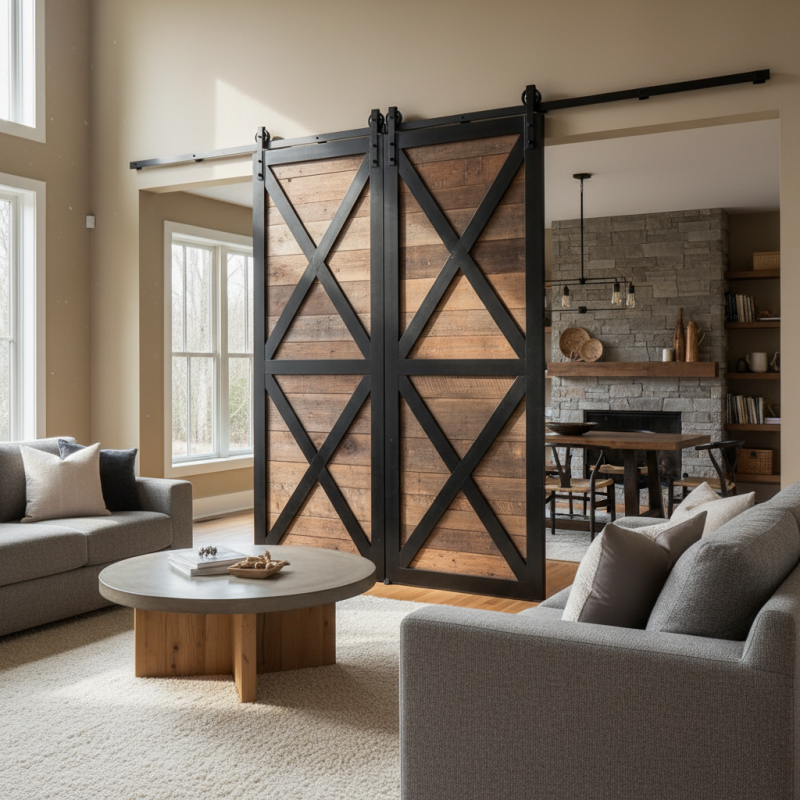
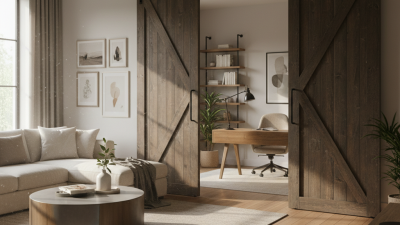
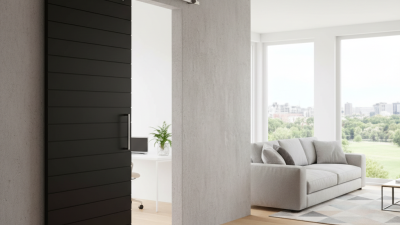
Sliding barn doors are popular for their space-saving design and versatility. They can serve as a decorative element while providing practical solutions for small spaces. Many people appreciate their rustic charm, often paired with modern interiors. However, the installation process can be challenging, and not every kit fits every door frame.
Another option is bi-fold barn doors. These doors open by folding back onto themselves. They are ideal for tight spaces where a full swing door would be impractical. Yet, they may lack the same aesthetic appeal as sliding doors.
Consider how often you use the door; frequent use might favor the more accessible sliding option.
Beyond the style, material matters. Wood offers warmth and durability, while metal provides a more contemporary feel. Remember that maintenance varies. Wooden doors require upkeep to prevent warping. Metal doors, while sturdy, can rust over time. Search for a kit that fits both your style and your willingness to care for it. Balancing aesthetic and practicality is no simple task, but it is essential for a thoughtful choice.
Evaluating Material Options for Barn Doors
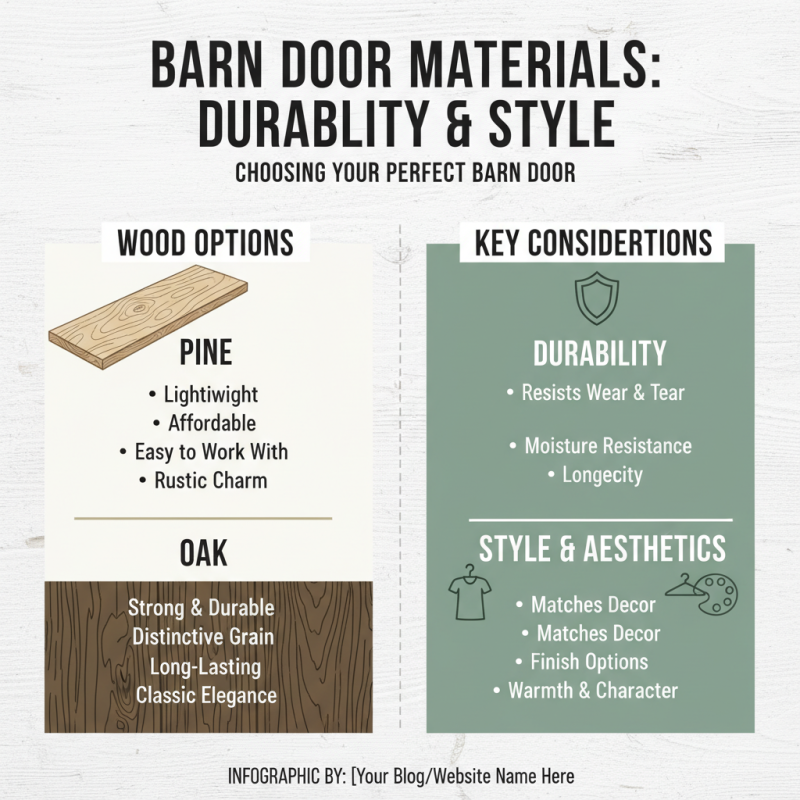
When selecting material options for barn doors, it’s crucial to consider durability and style. Wood is a classic choice. It offers warmth and character. Different wood types can create diverse aesthetics. Pine is lightweight and affordable. Oak, on the other hand, provides strength and a beautiful grain.
Alternatively, metal barn doors are becoming popular. They are modern and often more resilient to wear and tear. Metal can also blend well with industrial designs. However, ensure that the weight of the door is manageable for your sliding system.
**Tips:** Before making a decision, think about the environment. Are you in a humid area? Then, treated wood might be necessary. Consider the maintenance too. Some materials require more upkeep. Lastly, visualize how the door fits into your existing decor. It should enhance your space, not clash with it.
Assessing the Importance of Size and Fit for Your Space
When selecting a barn door kit, size and fit are critical considerations. A door that's too large can overwhelm a small space, making it feel cramped. Conversely, a door that's too small may look out of place and fail to provide privacy. Measure your door frame and surrounding area carefully to ensure a proper fit. It's essential to account for wall space, especially if the door slides open.
Think about the height and width of the door. A standard door height is around seven feet, but spaces vary. Some homes may need a custom solution to avoid awkward gaps. Check the installation instructions to ensure the kit you choose matches the dimensions of your opening. This attention to detail can save you time and frustration later on.
Also, consider the door's thickness. A thicker door is sturdier but may require additional hardware. This aspect often gets overlooked, leading to installation issues. Reflect on your home's style and layout when selecting materials and finishes. Blending comfort and design can be challenging. Assessing these elements will help you find the best match for your space.
Exploring Design Styles and Aesthetic Choices for Barn Doors
When selecting a barn door for your home, consider the aesthetics it brings. Barn doors are more than functional; they enhance the overall decor. Think about the finish. A rich wooden texture can bring warmth to a room. A sleek, painted finish can offer a modern touch. The choice significantly impacts the room's vibe.
Patterns and designs also play a key role in choosing a barn door. Simple designs can create a minimalist aesthetic. Intricate patterns may add a rustic charm. Additionally, the hardware selection is crucial. Industrial metal accents can complement a contemporary space. Alternatively, wooden hardware can elevate a classic ambiance.
It’s also essential to consider scale and proportion. A door that’s too large may overwhelm a small space. Conversely, a tiny door in a vast hallway may feel lost. The balance is delicate. Take time to visualize how the door interacts with surrounding elements. Evaluate multiple styles before making a choice. The right door should resonate with your personal style and home environment.
How to Choose the Best Barn Door Kit for Your Home? - Exploring Design Styles and Aesthetic Choices for Barn Doors
| Style |
Material |
Track Type |
Width Options |
Price Range |
| Modern |
Stainless Steel |
Single Track |
36", 42" |
$200 - $500 |
| Rustic |
Reclaimed Wood |
Double Track |
30", 36" |
$150 - $400 |
| Industrial |
Metal |
Heavy Duty Track |
36", 48" |
$300 - $700 |
| Farmhouse |
Plywood |
Standard Track |
32", 36" |
$100 - $350 |
| Contemporary |
Glass |
Minimalist Track |
36", 42" |
$400 - $900 |
Considering Installation Requirements and Tools Needed for Assembly
When choosing a barn door kit, installation requirements significantly impact your decision. Depending on the design, some kits need a higher skill level. Data suggests that 40% of homeowners struggle with installation. Proper understanding of tools is crucial. A standard barn door requires a stud finder, level, and power drill. Many struggle to gather these tools, which can lead to incomplete projects.
Adjusting for wall types also matters. A wall that is uneven could complicate the installation. Use shims to level the door correctly. Searching for expert guides can aid in this process. Comprehensive studies reveal that 30% of installations fail due to improper framing. Seek resources that specify necessary adjustments for drywall or concrete walls.
Consider the door weight, as heavier doors require stronger hardware. A study indicated that 60% of customers overlook this detail. Neglecting to match the correct weight can lead to functionality issues. Ensure the hardware can support the selected door size and weight. Evaluate both your ability to install the door and the space where it will go to avoid unnecessary complications.