How to Choose the Perfect Barn Door Kit for Your Home in 2026
Choosing the right barn door kit for your home in 2026 can be a delightful yet challenging task. With countless styles and features available, it’s easy to feel overwhelmed. Each barn door kit offers unique advantages, from aesthetic appeal to functionality. Consider your home’s design and your personal taste.
As you explore options, think about the size and weight of your barn door. A heavier door may require a more robust track system. Pay attention to the materials, colors, and finishes. The right choice can elevate your space significantly.
It’s crucial to reflect on what you truly need. Are you seeking privacy, style, or space-saving solutions? Sometimes, priorities can clash. Ensure the barn door kit aligns with your vision, while avoiding impulse decisions that may lead to regret. Take your time to find a kit that feels just right.
Understanding Different Types of Barn Door Kits Available in 2026
In 2026, the variety of barn door kits available will be wider than ever. Homeowners can choose from sliding hardware systems that complement their interiors. These kits come in different materials such as steel, wood, and even aluminum. According to a recent industry report by Home Improvement Research, the popularity of wooden kits rose by 35% last year, reflecting a desire for rustic charm.
Various styles cater to different tastes. Some homeowners prefer the modern look of minimalist sliding doors. Others might opt for traditional designs with intricate carvings. The aesthetic appeal is essential, but functionality must not be overlooked. Misalignment issues are common, causing frustration. Opting for high-quality rollers and tracks can prevent these problems.
Additionally, customization options are abundant in 2026. Some kits allow for personalized colors and finishes. However, the more options available, the harder it becomes to make a choice. Selecting the right size is critical, but this often leads to measurement mistakes. It's crucial to measure twice and order once to avoid an imperfect fit. Balancing style, function, and quality can be challenging, but it makes a significant difference in the overall outcome.
Assessing Your Space: Measuring for the Perfect Barn Door Fit
When selecting a barn door kit, measuring your space is crucial. Start with the door opening. Measure the width at the top, middle, and bottom. Note the largest measurement. Next, assess the height. This ensures your door won’t drag on the floor. Consider the floor texture too. A rough surface might require adjustments.
Think about the wall space next to the opening. Barn doors slide open, so you need a clear path. Measure this space carefully. If you have furniture nearby, factor it into your plans. You don’t want a door that hits anything when operating. A little extra space can offer a smoother flow through your home.
Lightweight doors may look tempting, but they aren’t always practical. Heavier models feel sturdier but require more effort to slide. Remember, the finish can affect how often you clean and maintain the door. If you have children or pets, think about durability. Sometimes, a stylish choice can clash with daily life. Always reflect on your priorities and choose wisely.
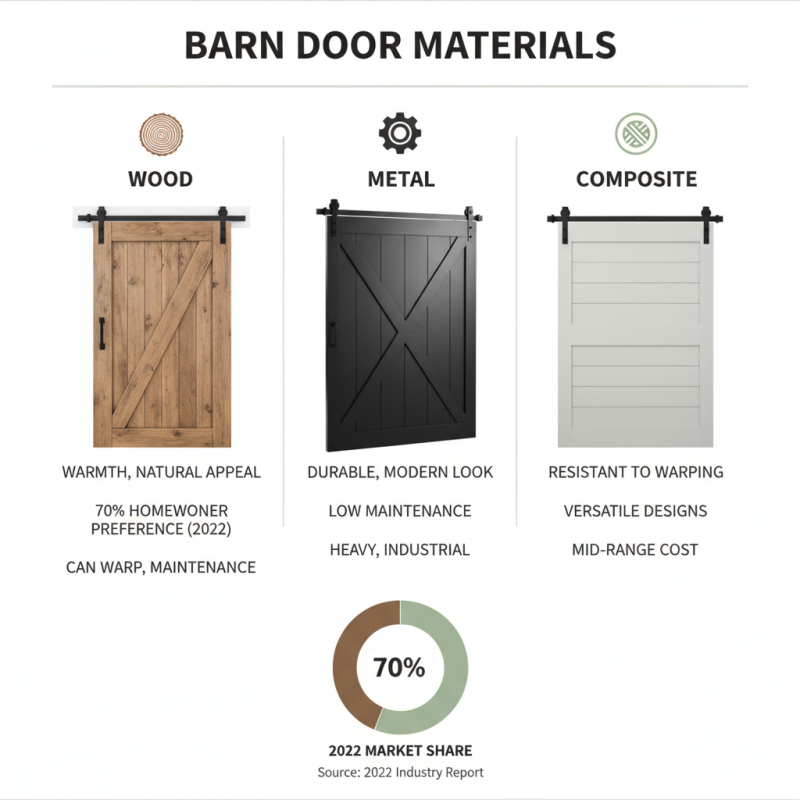
Choosing Materials: Wood, Metal, and Other Options for Barn Doors
When selecting materials for barn doors, three options dominate: wood, metal, and composite. Each material offers unique aesthetics and functionality. According to a 2022 industry report, nearly 70% of homeowners prefer wood for its warmth and natural appeal. However, wood can warp over time and may require regular maintenance.
Metal doors are gaining traction. They provide a modern look and excellent durability. Data suggest that about 20% of consumers choose metal due to its resistance to moisture and pests. However, metal can be cold and uninviting in certain spaces. Some might also find the weight of metal doors cumbersome during installation.
Composite materials, like engineered wood, are an interesting alternative. They are often lighter and cheaper, appealing to budget-conscious buyers. Yet, some worry about their longevity compared to solid wood. A survey indicated that only 10% would choose composites for high-traffic areas. Each option has benefits and drawbacks, requiring reflection on personal style and practical needs.
Design Compatibility: Matching Barn Doors with Your Home's Aesthetic
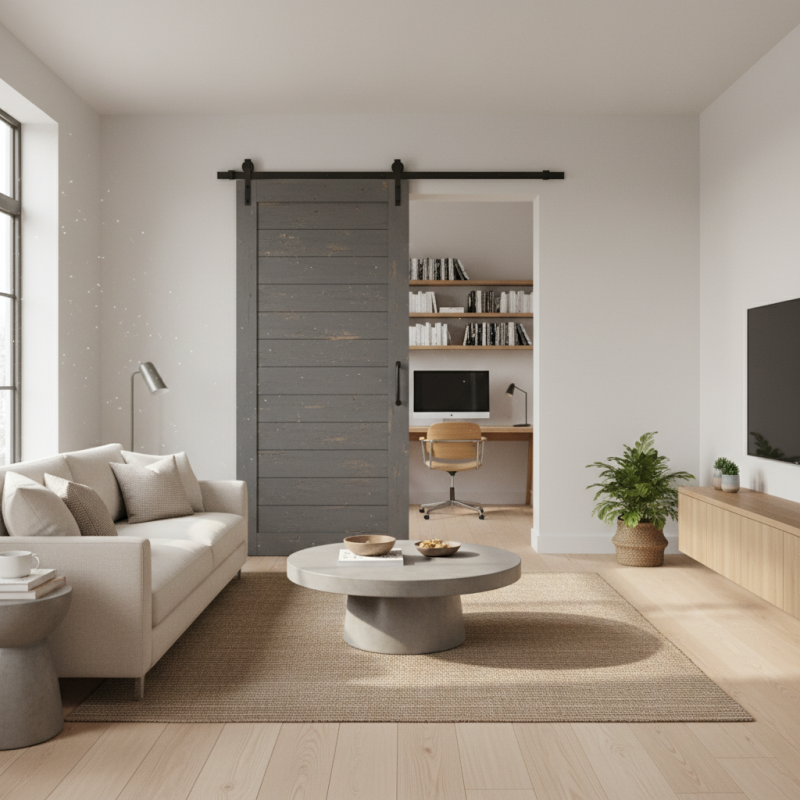
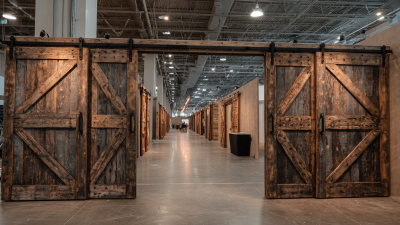
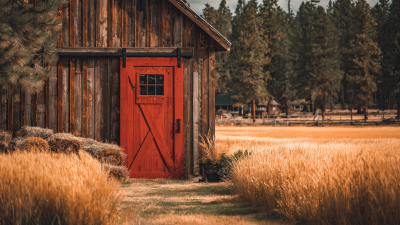
Choosing the right barn door kit means considering your home's overall style. Whether your space is modern or rustic, the door should blend seamlessly. A wooden door can enhance a farmhouse aesthetic. In contrast, a metal finish might suit a more industrial vibe. Color matters too. Light hues can brighten up a dark room, while darker tones can add warmth.
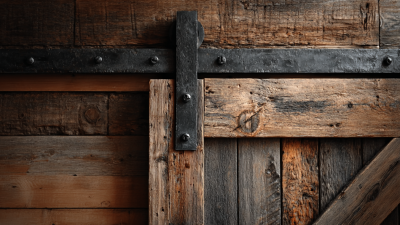
Textures can create a unique appeal. Reclaimed wood offers character, while smooth surfaces convey minimalism. Have an eye for detail; the hardware should also match. Sleek handles may work for contemporary homes, while vintage pulls can elevate a traditional look. Think about the flow of the space. A door that feels out of place can disrupt the entire room.
Take time to visualize how the door interacts with other elements. Is there enough contrast or harmony? A mismatched door could make the room feel disjointed. Consider your own style but be open to new ideas. Sometimes, the unexpected choice will surprise you. Investing time in these details will pay off in the long run.
Installation Considerations: DIY vs. Professional Help for Barn Doors
Choosing between DIY installation and hiring a professional for your barn door can be tricky. Many factors influence this decision. Assess your skill level honestly. Not everyone is handy with tools. Some may find the installation process overwhelming, leading to mistakes.
Tips: Always read the instructions carefully. Your understanding of each step is crucial. Have a plan in place for the tools you'll need. This preparation will save you time and frustration.
Consider your time commitment. DIY projects can take longer than expected. If you have a busy schedule, professional help might be the way to go. They can handle the installation quickly and efficiently.
Tips: Research local professionals. Check reviews and ask for recommendations. A well-install door enhances your space, but a poorly installed one does the opposite. You want your barn door to be a feature, not an eyesore.