Why Choose the Right Stair Balusters for Your Home?
Choosing the right stair balusters is vital for both safety and aesthetics in your home. According to renowned interior designer Emily Henderson, “Stair balusters can truly transform the feel of a space.” The right selection not only complements your staircase but also enhances your overall home design.
Stair balusters come in various materials and styles, allowing homeowners to express their personality. Wood, metal, and glass options are popular, each offering unique benefits. For instance, wooden balusters provide a warm and traditional look, while glass balusters deliver a modern and airy feel.
However, selecting stair balusters isn't just about looks. Safety plays a crucial role too. Poorly chosen balusters can pose risks, especially for children and pets. It’s essential to consider both form and function when making your choice. A beautiful baluster can become a liability if not sized or spaced correctly. Balusters often need to be durable and easy to maintain, making materials a significant factor. Reflecting on these elements helps create a perfect balance in design and safety.
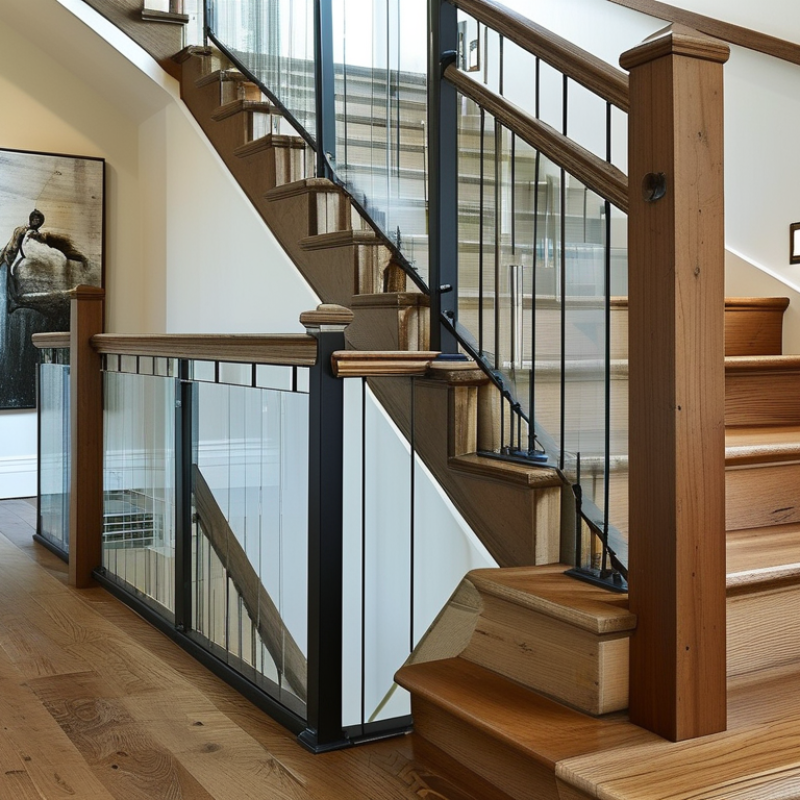
Understanding the Role of Stair Balusters in Home Design
Stair balusters play a crucial role in home design. They not only enhance safety but also shape the overall aesthetic of a space. Choosing the right balusters can transform a simple staircase into a focal point. Think of them as the jewelry of your stairs. Whether your style is modern or traditional, the right balusters can complement your vision.
When selecting balusters, consider the material. Wood, metal, and glass each offer unique textures and visual appeal. For instance, wooden balusters can add warmth and a classic touch, while glass provides a sleek, contemporary feel. Both choices have pros and cons. Wood may require maintenance, while glass can be prone to fingerprints.
**Tips:**
Evaluate your home’s architectural style. Match baluster designs to create harmony. Balance is key; avoid overcrowding the space.
Think about the spacing between balusters. Too wide can compromise safety, while too narrow may create visual clutter.
Choosing stair balusters is not just about decoration. It’s about functionality and design. Reflect on your choices and how they impact your home.
Importance of Stair Balusters in Home Design
Types of Stair Balusters: Materials and Styles Explained
When selecting stair balusters, material and style are key considerations.
Wood balusters offer a warm, classic look. They can be stained or painted to match your home’s décor.
Metal balusters provide durability and modern appeal. They work well in both traditional and contemporary designs.
Glass balusters are another option, allowing light to flow freely while offering a sleek appearance.
Tip: Consider the maintenance required for each material.
Wood may need periodic refinishing.
Metal can be prone to rust in humid areas.
Glass balusters, while beautiful, require regular cleaning to maintain clarity.
Stylish options abound in each category. Choose intricate designs for a vintage feel.
For a minimalist vibe, go with simple lines. Ensure that your choice complements your overall home aesthetic.
Mixing materials can also create visual interest and character.
Tip: Reflect on the safety aspect. Balusters should be spaced properly to prevent small children from slipping through.
Always prioritize safety alongside style when making your selection.
Balusters are not just decorative; they have a functional role.
Consider reviewing local building codes to ensure compliance.
Safety Considerations When Selecting Stair Balusters
When selecting stair balusters, safety should be a top priority. A well-chosen baluster not only enhances the aesthetic of your home but also ensures the safety of everyone. Balusters should be installed securely, creating a sturdy barrier. This is crucial, especially in homes with children or elderly residents. Choose materials that won’t easily break or warp over time. Metal options can provide durability, while wood may need extra care.
Another factor to consider is spacing. The gaps between balusters must comply with safety codes. Too wide a gap can be dangerous, especially for small children. Ideally, no space should exceed 4 inches. Visual checks can miss details, so always refer to the latest building codes. Furthermore, ensure that the height of the handrails is comfortable for all users. Proper measurements can prevent accidents.
It’s essential to reflect on your choices. Are the balusters beautiful, but not practical? Are they easy to clean and maintain? Home safety is paramount. Prioritize function alongside aesthetics to create a secure and stylish staircase. A little thought can lead to a significant difference in your home’s safety.
How Stair Balusters Affect Your Home’s Value and Aesthetics
Stair balusters play a significant role in defining a home's aesthetic appeal. They come in various styles, materials, and finishes, allowing homeowners to reflect their personal taste. A well-chosen baluster can enhance the character of your staircase. For instance, intricate wrought iron designs can bring elegance, while wooden balusters add warmth and charm.
Beyond aesthetics, balusters contribute to a home's value. Potential buyers often look for features that create a lasting impression. A stylish staircase with quality balusters can elevate overall appeal. However, mismatched or outdated balusters can detract from your home's value. It’s essential to consider harmony with other elements in your home.
While many focus on the look, the practicality of baluster selection is also crucial. They must meet safety codes and provide sturdy support. Neglecting this can lead to costly repairs down the line. Take time to balance style with function. Evaluate your options and make informed choices to benefit both your home’s beauty and value.
Why Choose the Right Stair Balusters for Your Home? - How Stair Balusters Affect Your Home’s Value and Aesthetics
| Baluster Style |
Material |
Aesthetic Appeal |
Impact on Home Value |
Maintenance Level |
| Traditional |
Wood |
High |
Increases |
Medium |
| Modern |
Metal |
Very High |
Significantly Increases |
Low |
| Glass |
Glass |
Extremely High |
Highly Increases |
High |
| Vintage |
Iron |
High |
Increases |
Medium |
Tips for Installing and Maintaining Stair Balusters Properly
When selecting stair balusters, proper installation and maintenance are vital.
Begin by ensuring you have the right tools. A level, drill, and measuring tape are essentials. Measure the distance between your posts carefully.
Ensure each baluster is securely attached. Using wood glue or screws can enhance stability. Minor misalignments can lead to future problems.
Regular maintenance is key to safety and aesthetics.
Periodically inspect the balusters for any signs of wear or damage. Look for cracks or loose fittings.
Clean the balusters with a suitable cleaner to maintain their appearance. Consider applying a fresh coat of paint or stain if they appear dull.
Even small imperfections deserve your attention—neglecting them can lead to bigger issues.
Adjusting loose balusters is often overlooked. If you find any that wobble, address it immediately.
Tightening screws or replacing damaged components can prevent accidents. Remember, your balusters support more than just aesthetics;
they ensure safety. Investing time in their upkeep reflects your home's overall care.