How to Choose Wrought Iron Stair Railings for Your Home?
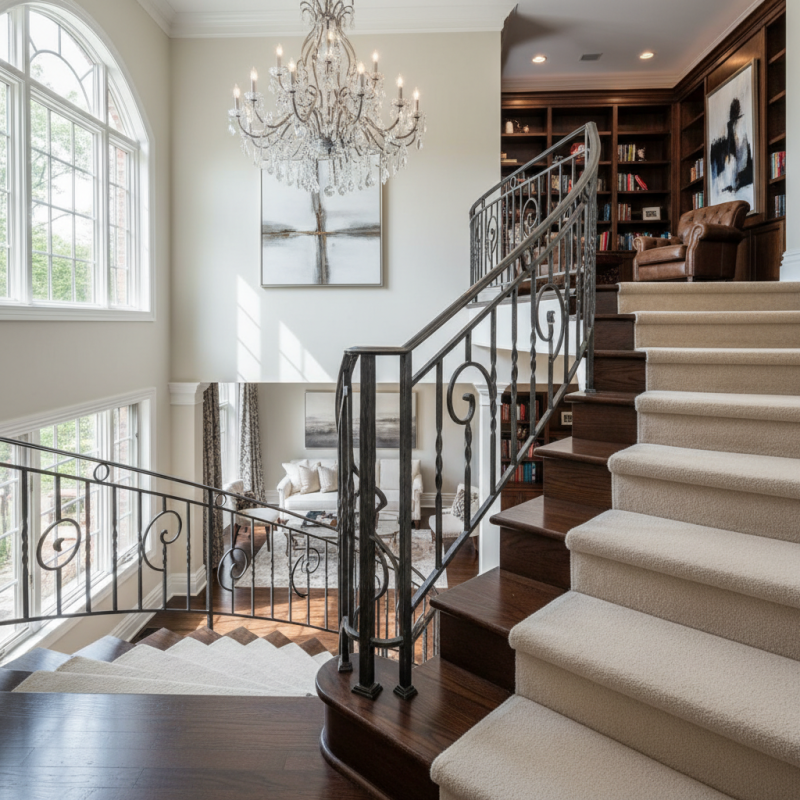
When selecting wrought iron stair railings for your home, several factors need consideration. These railings are not just functional; they add a unique charm to your space. The strength and elegance of wrought iron can enhance your staircase’s aesthetic appeal.
Think about the style of your home. Traditional or modern? Your choice of wrought iron stair railing should complement this. You might feel lost in the many options available. It’s easy to focus solely on appearance and forget about safety.
Durability is key for stair railings. Look for high-quality materials that can withstand wear. While design is important, functionality cannot be overlooked. Each choice impacts the overall comfort and style of your home. Reflect on how you want your space to feel.
Understanding the Benefits of Wrought Iron Stair Railings
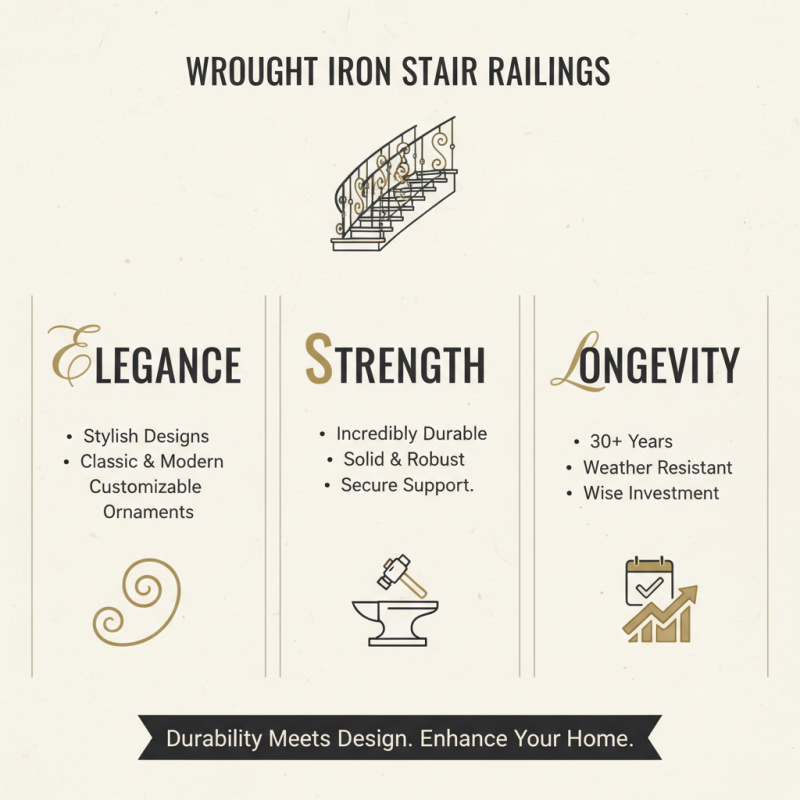
Wrought iron stair railings offer a perfect blend of elegance and strength. These railings are not only stylish but also incredibly durable. According to industry reports, wrought iron can last for over 30 years with proper maintenance. This longevity makes it a wise investment for homeowners looking to enhance their staircases.
The security provided by wrought iron is another significant advantage. Around 70% of homeowners feel more secure with robust railings. They act as a protective barrier, especially in multi-level homes. However, it’s essential to ensure the installation meets safety codes. This is where many may overlook details, leading to future issues.
Aesthetic appeal also plays a crucial role. The customizable designs allow homeowners to create unique looks. Yet, without proper attention to detail, the final result can look unbalanced or out of place. It’s vital to consider the home’s overall design. Finding a compromise between personal taste and architectural harmony can be challenging but rewarding.
Key Factors to Consider When Selecting Stair Railings
When choosing wrought iron stair railings for your home, there are key factors to consider. Safety is paramount. According to industry reports, over 60% of home accidents occur on staircases. Proper railing design can significantly reduce this risk. Ensure that the height and sturdiness of the railings meet local safety codes. Each area may have different regulations regarding the height and spacing of vertical bars.
Aesthetic appeal also matters. Wrought iron can complement various design styles. Whether your home is modern or traditional, the right railings enhance your interior. Consider patterns and finishes. Some designs are intricate, while others are more minimalist. It’s essential to choose a style that reflects your taste while maintaining safety and functionality.
Tips: Consider the color of the railings. Dark colors may show dust more than lighter ones. Think about how often you clean. Secondly, assess the installation. Professional installation ensures safety and durability. DIY may save money but can lead to future issues if not done correctly. Reflect on your choices and their long-term implications. Each decision contributes to the overall atmosphere of your home.
How to Choose Wrought Iron Stair Railings for Your Home?
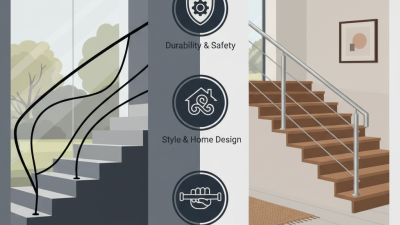
This chart illustrates the key factors to consider when selecting wrought iron stair railings for your home, based on customer preferences and importance ratings.
Different Styles and Designs of Wrought Iron Railings
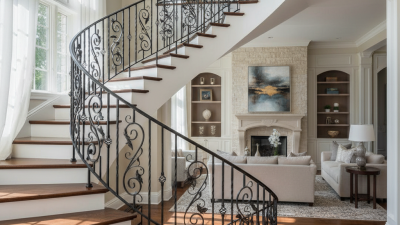
Wrought iron railings add elegance to any home. They come in various styles, each providing unique character. Traditional designs often feature scrollwork and floral motifs, exuding timeless charm. For a more modern look, sleek lines and geometric patterns can create a minimalist vibe. It’s important to match the railing style to your home's architectural features.
Choosing the right design requires careful thought. You might prefer ornate styles, but they can sometimes seem overpowering in smaller spaces. On the other hand, simpler designs might lack personality. Consider your staircase's width. A narrow staircase can feel cramped with a bulky railing. Small details, like the finish, can significantly impact the overall aesthetic.
Color is another vital element. While classic black is always in style, unexpected colors like bronze or white can offer a fresh take. These choices can intensify or soften the room’s ambiance. Remember to think about maintenance. Some intricate designs may require more attention to keep them looking their best. Finding the perfect balance is crucial.
Safety Features and Building Codes for Stair Railings
When selecting wrought iron stair railings, safety features are crucial. The height of the railing must meet local building codes. Most codes require railings to be at least 36 inches high. This height protects against falls, especially for young children and pets. Ensure the railings have no gaps larger than four inches, as this can prevent accidents.
Consider the spacing of the spindles. They should be close enough together to prevent slipping through. Additionally, sharp edges on the railings can pose a risk. A smooth finish can make the railings safer to touch. It also prevents injuries caused by rough surfaces.
Building codes often vary by location. It's important to check your local regulations before installation. Failure to meet these codes can lead to costly fines. It may also result in injuries, which no one wants. Always prioritize safety when choosing railings. Even decorative designs must comply with these fundamental safety standards.
How to Choose Wrought Iron Stair Railings for Your Home? - Safety Features and Building Codes for Stair Railings
| Feature |
Description |
Building Code Requirement |
| Height |
Typically, 34 to 38 inches for residential properties. |
Must adhere to local building codes. |
| Spindle Spacing |
Maximum spacing of 4 inches between spindles to prevent falls. |
Complies with safety standards. |
| Material |
Wrought iron provides durability and timeless aesthetic. |
Must meet material safety standards. |
| Load Bearing |
Should support at least 200 pounds of force. |
National safety codes must be followed. |
| Finish |
Powder coating recommended for weather resistance. |
Finishing materials must comply with safety codes. |
Maintenance Tips for Your Wrought Iron Stair Railings
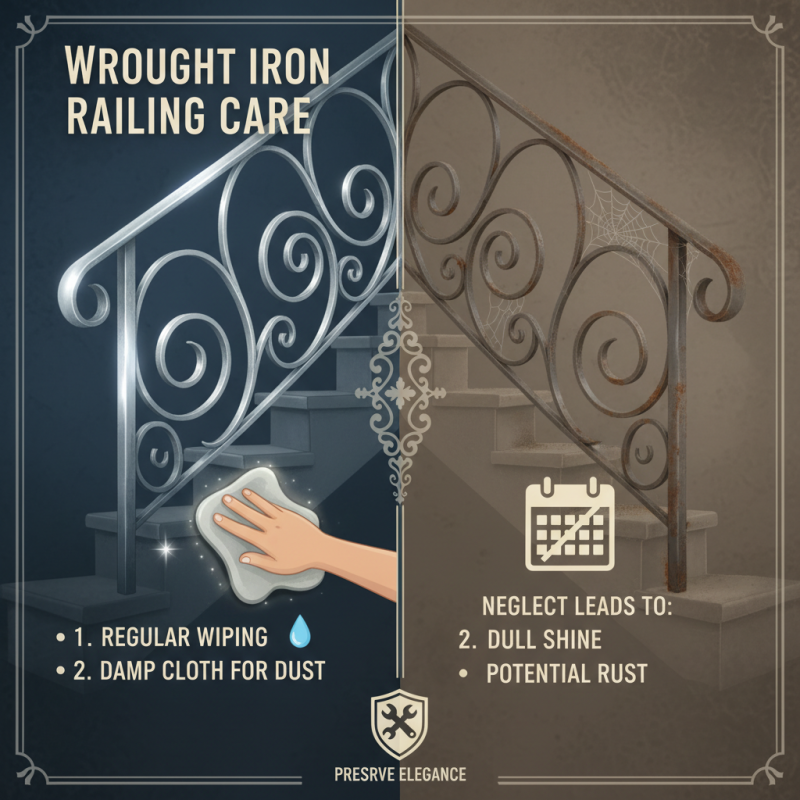
Wrought iron stair railings add beauty and elegance to any home. However, they require regular maintenance to ensure their longevity. Dust and dirt can accumulate over time, dulling their shine. A simple wipe with a damp cloth can refresh their appearance. Sometimes, you might overlook this easy task. Neglecting it can lead to bigger problems later.
Inspecting your railings regularly is essential. Look for signs of rust or corrosion. Small spots can be treated with rust inhibitor. Use a wire brush to remove more stubborn rust. This task can feel tedious, but it saves time and money in the long run. Also, consider tightening any loose bolts. A wobbly railing is not just an eyesore; it can be a safety hazard.
Finally, applying a protective coating can help. A good quality sealant keeps moisture at bay. However, reapplication is often forgotten. If you wait too long, you might find yourself dealing with significant deterioration. Keeping a maintenance schedule is helpful. It’s better to be proactive than reactive with your prized railings.