What Is Door Hardware and What Types Are Available?
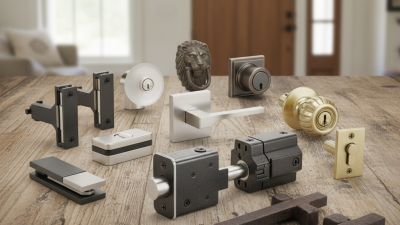
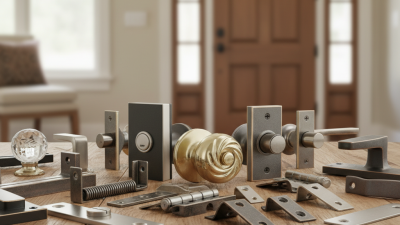
Door hardware is more than a handle, lock, or decorative finish. It includes the functional components that help a door open, close, secure, and perform reliably. Common examples include knobs, levers, pulls, hinges, locks, latches, closers, stops, and exit devices. Each part has a practical purpose. A lever may help a child or older adult open a door more easily. A door closer can prevent an entrance from remaining open during windy weather. Small details matter.
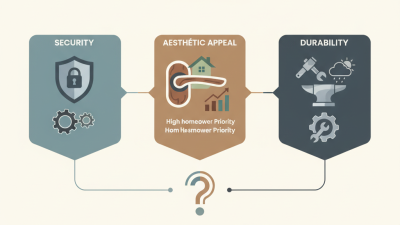
Choosing the right door hardware requires more than matching a finish to a room. The door’s material, weight, traffic level, location, and security needs all influence the decision. Interior bedroom doors usually need different hardware from commercial entrance doors or fire-rated assemblies. A brushed stainless-steel lever may suit a busy office, while a solid brass pull can add warmth to a residential entry. However, appearance can distract from performance. A beautiful handle may feel uncomfortable after repeated use. Not every choice is obvious.
This guide explains the main types of door hardware and their typical applications. It also considers durability, installation, accessibility, maintenance, and compatibility. Product standards and local building requirements should be checked before installation. Experienced installers often inspect hinge alignment, latch movement, and door clearance together. That practical step prevents many avoidable problems. Still, even careful selection can reveal limitations after daily use. Good hardware should look appropriate, operate smoothly, and remain dependable over time.
What Is Door Hardware and What Does It Include?
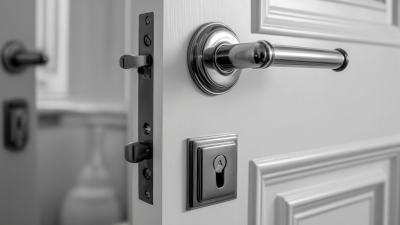
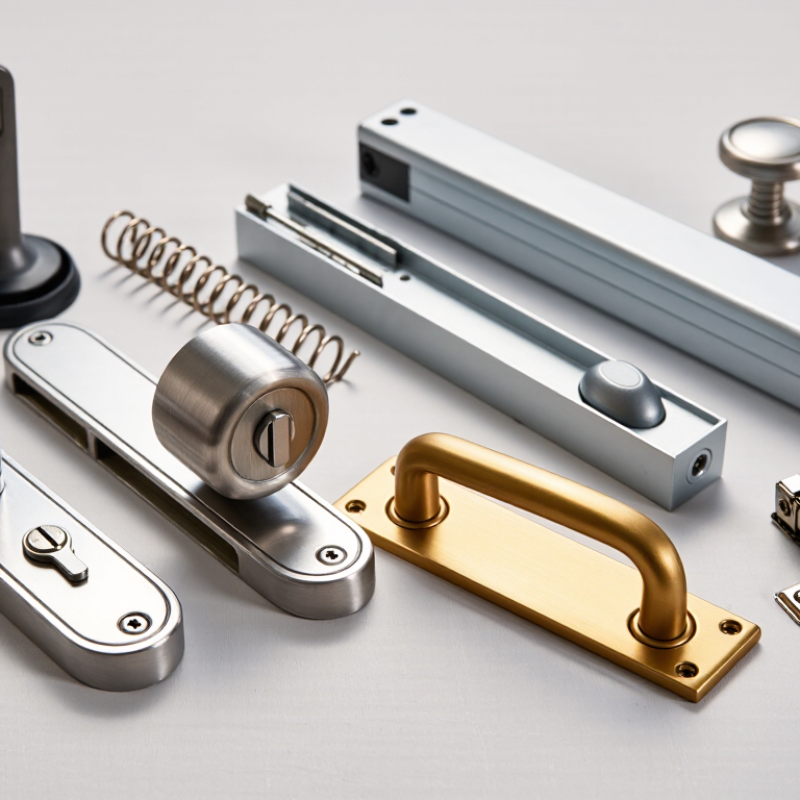
Door hardware includes the working parts attached to a door, frame, or nearby wall. These parts control movement, access, privacy, and safety. A typical interior door may use two or three hinges, a latch, a lever or knob, and strike plates. Hinges carry the door’s weight and create smooth movement. The latch holds the door closed when the handle is released. Strike plates receive the latch inside the frame.
Exterior doors often need more protection. Their hardware can include deadbolts, cylinders, weather-resistant hinges, door closers, and threshold components. A closer gently returns the door after use. Weatherstripping reduces drafts around the edges. Door stops prevent the handle from hitting a wall. Small parts matter. A loose screw can cause alignment problems within weeks.
Hardware selection depends on door weight, traffic, location, and user needs. A busy entrance may require stronger hinges and a controlled closing device. A bathroom usually needs privacy hardware rather than high-security hardware. Accessible handles are often easier to operate than round knobs. Fire-rated openings may require compatible hardware and professional installation. I once assumed a heavier lock always meant better protection, but poor frame alignment weakened the whole setup. Measurement also deserves care. Check the door thickness, backset, hinge spacing, and frame condition before ordering parts. Even attractive hardware can fail when these details are ignored.
Which Door Hardware Is Used for Interior and Exterior Doors?
Door hardware includes the parts that open, close, secure, and support a door. Interior and exterior doors need different solutions because their risks are different. Interior doors usually use passage levers, privacy locks, hinges, flush bolts, and pocket-door pulls. A bedroom may need privacy, while a hallway needs easy access. Small details matter. A stiff lever can frustrate users every day.
Exterior doors face rain, temperature changes, forced-entry attempts, and heavier traffic. They commonly require keyed locks, deadbolts, reinforced strike plates, door closers, weather seals, and corrosion-resistant hinges. Commercial exits may also need panic hardware. ANSI/BHMA performance grades help compare durability and security, while accessibility requirements guide lever shape, operating force, and mounting height. In practice, installers should check the door material, frame strength, traffic level, and local requirements before choosing hardware.
Grand View Research estimated the global door hardware market at about US$17.7 billion in 2023. Its analysis also identifies renovation and new construction as important growth drivers. Freedonia’s U.S. door hardware research highlights replacement demand and nonresidential construction. These figures support a practical point: hardware is not merely decorative. Still, choosing the most expensive lock is not always wise. A high-security product on a weak frame may offer little real protection. I have seen this mismatch overlooked. The complete door assembly deserves attention.
How Should You Choose, Install, and Maintain Door Hardware?
Door hardware includes knobs, levers, hinges, locks, closers, and protective plates. Choosing it well begins with the door’s purpose. An entry door needs security and weather resistance, while an interior door may prioritize privacy and quiet operation. Measure the door thickness, backset, hinge size, and frame condition before purchasing replacement hardware. Small errors can create expensive delays.
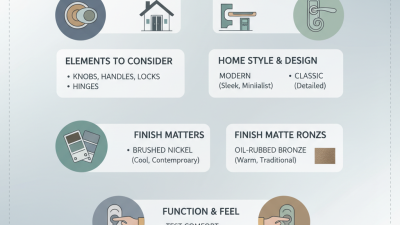
Select finishes that suit the environment, not only the room’s appearance. Damp areas require corrosion-resistant materials. High-traffic doors need strong springs, solid mounting points, and hardware rated for frequent use. Check accessibility requirements and local building rules before installation. A practical choice should feel comfortable in the hand and operate without force.
Installation starts with a level door and a sound frame. Use the correct screws, keep hinges aligned, and avoid overtightening them. Test the latch with the door open before closing it fully. This simple check prevents accidental lockouts. Hardware should be cleaned with a soft cloth and mild soap. Harsh chemicals may damage its finish. Lubricate moving parts only when the manufacturer permits it. Inspect loose screws, worn strike plates, sticking latches, and unusual noise every few months. I have learned that “maintenance-free” is rarely permanent. Even carefully installed hardware can shift as a building settles. Record problems early, because a small misalignment can become a damaged frame or unsafe door.