2025 How to Choose the Perfect Banister Railing for Your Home
When it comes to enhancing the beauty and safety of your home, selecting the perfect banister railing is a crucial decision that can greatly impact the overall aesthetic and functionality of your space. The banister railing not only serves as a protective barrier for stairs, balconies, and decks but also acts as a design element that can elevate the style of your interiors. With a myriad of options available, ranging from traditional wooden designs to sleek modern metal styles, homeowners face the exciting yet challenging task of choosing the right railing.
In this guide, we will explore essential factors to consider when selecting a banister railing that complements your home’s architecture and personal taste. From material selection and style to safety standards and maintenance, each aspect plays a vital role in ensuring that your railing is not only visually appealing but also durable and secure. Whether you are renovating an existing space or embarking on new construction, understanding these key elements will help you make an informed decision that reflects your unique vision while ensuring the safety and functionality of your home.

Choosing the Right Material for Your Banister Railing: Wood vs. Metal
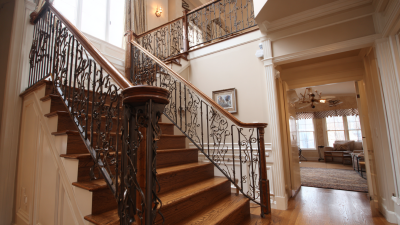
When choosing the ideal banister railing for your home, one of the most critical decisions revolves around the material: wood versus metal. Wood railings offer a warm, classic appeal that many homeowners find aesthetically pleasing. According to the National Association of Home Builders, wood remains one of the most popular choices for residential railings, thanks to its versatility and ability to complement various design styles. However, wood requires regular maintenance, including staining and sealing, to protect against rot and wear, which can be a drawback for some.
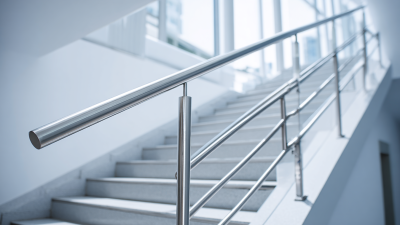
On the other hand, metal railings, such as those made from aluminum or wrought iron, provide a modern and sleek look. They are known for their durability and low maintenance requirements, making them an attractive choice for homeowners looking for longevity. A recent report from the American Architectural Manufacturers Association indicates that metal railings can last significantly longer than wood when properly maintained, with lifespans exceeding 50 years in many cases. This makes metal an appealing option for those prioritizing durability over aesthetic warmth.
**Tips:** When deciding between wood and metal, consider the climate of your area. If you live in a region with high humidity or frequent rainfall, metal may be a better choice due to its resistance to moisture and pests. Additionally, factor in your lifestyle—if you have young children or pets, a sturdier metal railing might be advisable for safety reasons.
Choosing the Right Material for Your Banister Railing: Wood vs. Metal
Understanding Building Codes and Safety Standards for Banister Railings
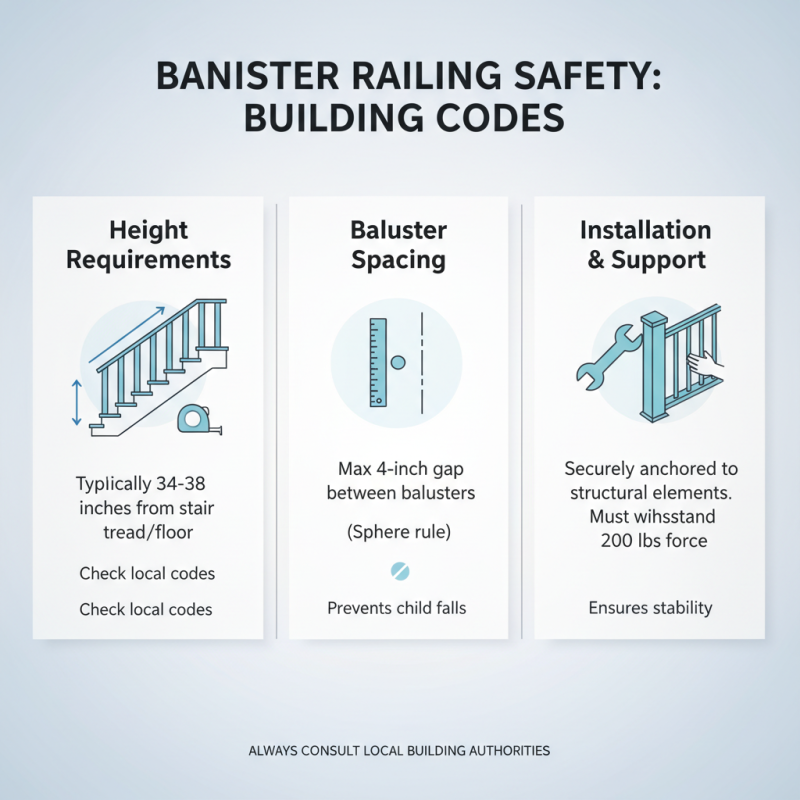
When selecting the perfect banister railing for your home, understanding building codes and safety standards is crucial. These regulations are designed to ensure that railings provide adequate safety and support, especially in areas such as staircases and balconies where falls may occur. Each region may have its specific set of building codes, which typically outline the required height, spacing of balusters, and installation methods. It is essential to familiarize yourself with these guidelines to ensure compliance and to keep your home safe for occupants and visitors alike.
In addition to regional codes, national safety standards also play a significant role in the selection process. For instance, railings should be designed to withstand certain loads and impacts, providing stability during unexpected events. The spacing between balusters is particularly important, as it must be narrow enough to prevent small children from slipping through. Furthermore, the materials used in construction of the railing can also affect both safety and durability, so verifying that they meet specified standards is essential. By considering these regulations, you can choose a railing that not only enhances the aesthetic appeal of your home but also provides necessary safety features.
Designing for Style: How to Match Your Banister Railing with Home Decor
When selecting the perfect banister railing for your home, it’s essential to consider how it complements your overall decor. A study from the National Association of Home Builders indicates that aesthetically pleasing railings can enhance the perceived value of a home by up to 10%. Therefore, aligning your choice with your interior design style can have both functional and financial implications.
For modern homes, sleek metal railings paired with glass panels can create an open, airy feel, while traditional wood railings bring a warm, classic charm to a space.
Tips: To achieve harmony in your design, consider the color palette of your home. If your walls are painted in neutral tones, a striking banister in a dark wood or vibrant metal can serve as a focal point. Conversely, if your interior features rich hues or patterns, opt for a simpler railing design that won’t compete for attention.
Additionally, the height and styling of the banister should echo the lines and elements of the surrounding decor. For instance, if you have intricate moldings or decorative trims, select a rail design that picks up on these features to create a cohesive look. According to a report from Remodeling Magazine, 72% of homeowners find that intricate details in banister design greatly enhance their home’s appeal, emphasizing the importance of thoughtful design choices.
Evaluating Cost vs. Durability: Long-Term Investment in Banister Railings
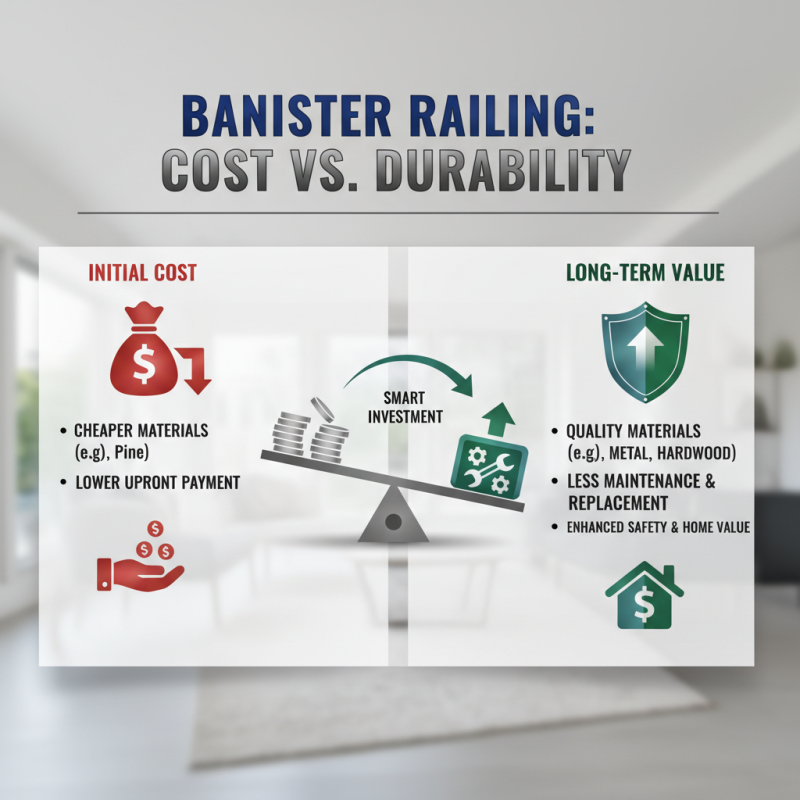
When choosing the perfect banister railing for your home, one crucial factor to consider is the balance between cost and durability. While it may be tempting to opt for cheaper materials that fit your budget, investing in high-quality railings can provide substantial long-term benefits. Durable materials like metal or hardwood, despite their higher initial expense, often require less maintenance and replacement over time, ultimately saving homeowners money in the long run. Additionally, durable railings enhance the safety and aesthetic appeal of your home, contributing to its overall value.
Furthermore, evaluating the long-term investment in banister railings involves considering the environmental conditions they will face. For example, railings exposed to harsh weather or heavy traffic areas naturally need to withstand greater wear and tear. Selecting materials that can endure these conditions will not only uphold the safety standards required but also reduce the likelihood of frequent repairs or replacements. Homeowners should prioritize materials and designs that combine both aesthetic qualities and resilience, ensuring that their investment aligns with their long-term vision for their space.
Maintenance Tips: Keeping Your Banister Railing in Optimal Condition
Maintaining your banister railing in optimal condition not only enhances the aesthetic appeal of your home but also ensures safety and longevity. The first step in effective maintenance is regular cleaning. Dust and grime can accumulate on railings over time, potentially leading to deterioration. Use a soft cloth or sponge with a gentle cleaning solution to wipe down the surfaces regularly. For wood railings, it’s beneficial to avoid harsh chemicals that may strip the finish; instead, opt for a mild soap mixed with water.
In addition to cleaning, periodic inspections are crucial. Check for any signs of wear, such as loose fittings, chipped paint, or signs of moisture damage in wooden railings. Addressing these issues early can prevent more significant problems down the line. If your railing is made of metal, look out for rust spots and consider applying a protective coating to ward off corrosion. Finally, depending on the material of your banister, schedule refinishing or repainting every few years to keep it looking fresh and to protect it from the elements. Regular maintenance will ensure that your banister railing remains both beautiful and functional for years to come.
2025 How to Choose the Perfect Banister Railing for Your Home - Maintenance Tips: Keeping Your Banister Railing in Optimal Condition
| Feature |
Material |
Style |
Maintenance Tips |
Lifespan |
| Durability |
Wood |
Traditional |
Regular varnishing |
10-20 years |
| Rust Resistance |
Aluminum |
Modern |
Wipe clean with soap water |
50 years |
| Aesthetics |
Glass |
Contemporary |
Use glass cleaner |
25 years |
| Cost-effectiveness |
Composite |
Rustic |
Occasional cleaning |
30 years |