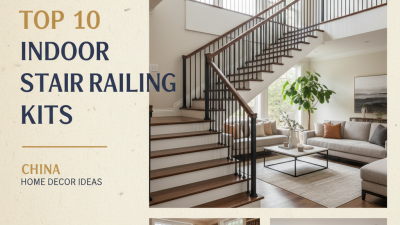
Top Indoor Stair Railing Kits for Global Buyers to Consider?
Indoor stair railing kits are an essential element in both residential and commercial spaces. They enhance safety and aesthetics, but not all options are created equal. According to a report by the Home Improvement Research Institute, the indoor railing market is expected to grow by 7% annually through 2025. This trend highlights the increasing importance of quality stair railing solutions.
Expert in home design, Sarah Mitchell, emphasizes the value of well-designed railing systems. She states, "The right indoor stair railing kits not only provide safety but also elevate the overall design of a space." These kits come in various materials and styles, allowing global buyers to choose options tailored to their specific needs. However, some buyers overlook essential features like durability and maintenance requirements, leading to dissatisfaction.
While many kits offer aesthetic appeal, it is crucial to examine their structural integrity. A stunning design should never compromise safety. Deep research and product comparisons are necessary before making a purchase. A thoughtful selection can ensure that the indoor stair railing kits not only meet immediate design goals but also provide long-lasting satisfaction.
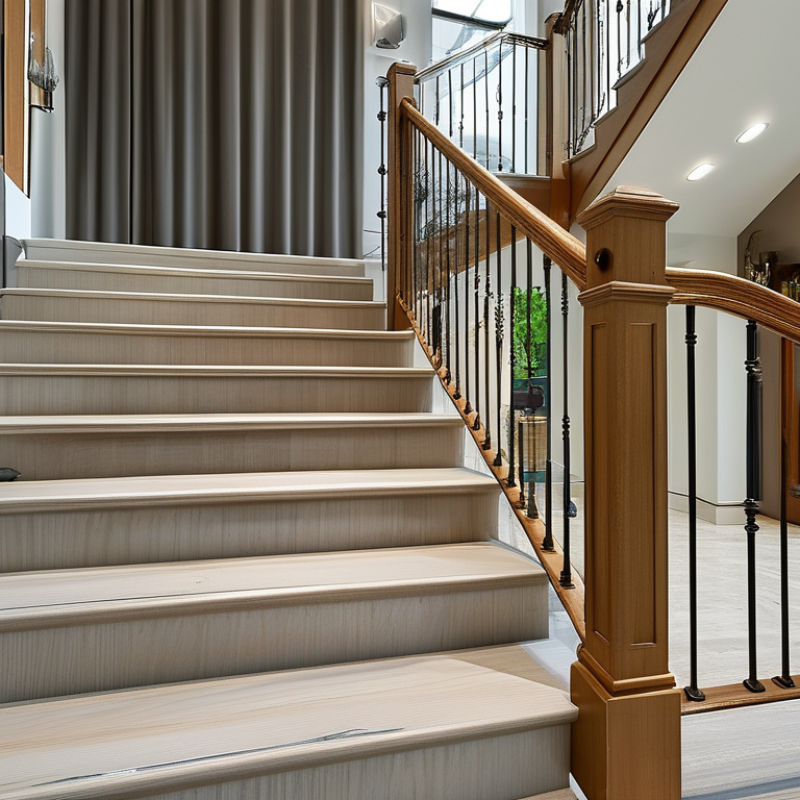
Essential Features to Look for in Indoor Stair Railing Kits
When choosing indoor stair railing kits, several essential features must be considered.
Safety is paramount. According to the International Residential Code (IRC), guardrails should be at least 36 inches high.
This ensures that children and pets are protected from falls.
The spacing between balusters is also critical; gaps should not exceed 4 inches to prevent accidental entrapment.
Material quality significantly impacts durability and maintenance. Stainless steel, wood, and tempered glass are popular options.
A study from the National Association of Home Builders highlights that 70% of homeowners prefer low-maintenance materials for their interior spaces.
This shows a shift towards choosing products that require less upkeep.
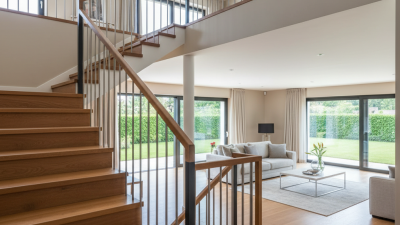
Design versatility is another crucial factor. Various styles and finishes can complement your home's decor.
Aesthetic appeal can influence your home’s market value. However, balancing style with practicality is essential.
Some designs may be visually appealing but may not meet safety regulations.
Always evaluate if a design is functional and meets safety standards.
Types of Materials Used in Indoor Stair Railing Kits and Their Benefits
When considering indoor stair railing kits, the materials used are crucial.
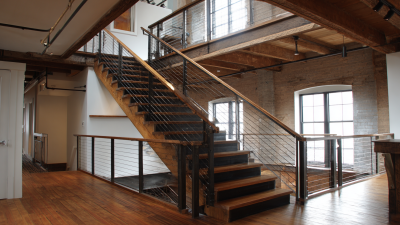
Wood is a classic choice. It offers warmth and elegance.
Many prefer oak, maple, or pine. Each type of wood has unique traits.
Oak is durable and stylish, while pine is lightweight.
However, wood requires regular maintenance. It can warp or scratch over time, causing potential risks.
Another popular material is metal.
Steel and aluminum are common options.
These materials provide strength and a modern look.
Metal railings are often powder-coated for durability. This coating resists rust and tarnish, ensuring longevity.
Yet, metal can feel cold and sterile in some homes. This contrasts with the cozy feel of wood.
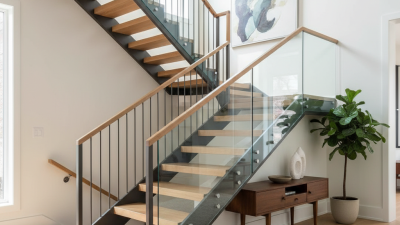
Glass railings are trending for their sleek appearance.
They create an illusion of more space. They also let in light, making areas feel more open.
However, glass requires frequent cleaning to maintain its clarity. Fingerprints and dust are easily visible.
Each material has its benefits and drawbacks.
Personal preference often guides the final choice.
Top Brands Offering Indoor Stair Railing Kits for Global Customers
When selecting indoor stair railing kits, buyers often seek durability and aesthetic appeal. Many trusted brands offer a range of options suited for different tastes and budgets. These brands often provide detailed specifications, ensuring customers make informed choices. It's crucial to consider materials used in these kits. Wood, metal, and glass are popular choices, each offering unique advantages.
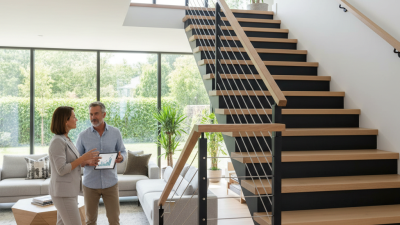
Installation is another key factor. Some kits come with comprehensive guides, making DIY setups easier. However, potential buyers should ask themselves if they prefer professional installation. While saving money is important, the long-term safety of railings cannot be overlooked. Many people have encountered challenges due to improper installations.
Design plays a significant role in choosing stair railings. Modern styles may not suit every home. Traditional homes often benefit from classic designs. Buyers should consider their home’s architecture before making a decision. Inconsistency in style can detract from a home’s overall charm. Making informed decisions can lead to rewarding outcomes in stairway design.
Installation Considerations for Indoor Stair Railing Kits
When considering indoor stair railing kits, installation is key to ensuring safety and aesthetics. First, measure your stairs carefully. Accurate measurements are crucial for fitting the railing properly. Ensure to include the height from the floor to the top of the stairs. This helps in choosing the right size for your kit.
Next, evaluate the materials. Different materials can affect installation techniques. For instance, wood may require special tools, while metal or vinyl kits might come with more straightforward assembly options. Take note of the specific installation requirements detailed in the kit’s guide.
Another aspect to reflect on is the staircase design. Your choice of railing should complement existing decor. A modern staircase might benefit from sleek, minimalist rails. In contrast, a more traditional home could shine with ornate styles. Lastly, consider potential challenges during installation. Uneven walls or stair heights can cause difficulties. Preparing for these factors can make the installation smoother and more effective.
Cost Analysis of Popular Indoor Stair Railing Kits Worldwide
When considering indoor stair railing kits, cost is a major factor. Prices vary significantly globally. Typically, simple designs made of wood are less expensive. Premium materials, like stainless steel or glass, raise the price considerably. A basic wooden railing may cost around $50 per linear foot, while glass options can reach up to $150.
Installation costs can also add to the budget. Hiring professionals might seem easier, but it can double your expenses. DIY installations are an option, yet they require some skill. Poor installation can lead to safety hazards or higher repair costs later. Assessing your budget is crucial before making any decisions.
Tips for choosing the right railing kit include understanding local building codes. Researching materials is vital for durability and appeal. Don’t overlook maintenance costs, especially if you choose wood, which may require periodic refinishing. Always account for unexpected expenses, as they can impact your overall budget significantly. Choosing the right colors and materials can enhance your home’s style, but the initial costs should always guide your choice.
Top Indoor Stair Railing Kits for Global Buyers to Consider
| Region |
Material Type |
Average Cost (USD) |
Installation Complexity |
Durability Rating (out of 5) |
| North America |
Wood |
350 |
Moderate |
4.5 |
| Europe |
Metal |
500 |
High |
4.8 |
| Asia |
Glass |
700 |
High |
4.9 |
| Australia |
Composite |
400 |
Moderate |
4.3 |
| South America |
Vinyl |
250 |
Low |
4.0 |