How to Install a Sliding Barn Door for Your Home Makeover
A sliding barn door is an increasingly popular choice among homeowners looking to add a touch of rustic charm and functionality to their living spaces. This versatile design element not only saves space compared to traditional hinged doors but also serves as a stunning focal point that can enhance the overall aesthetic of a room. Whether you're embarking on a full home makeover or just looking to update a single area, installing a sliding barn door can be a transformative project that elevates your interior design.
In this guide, we will explore the essential steps involved in installing a sliding barn door, ensuring that you have all the information and confidence needed to tackle this DIY endeavor. From selecting the right materials to understanding the installation process, we will provide insights that cater to both beginners and seasoned DIY enthusiasts. With the right approach, you can master the art of sliding barn door installation and achieve a beautiful, functional addition to your home that reflects your personal style.
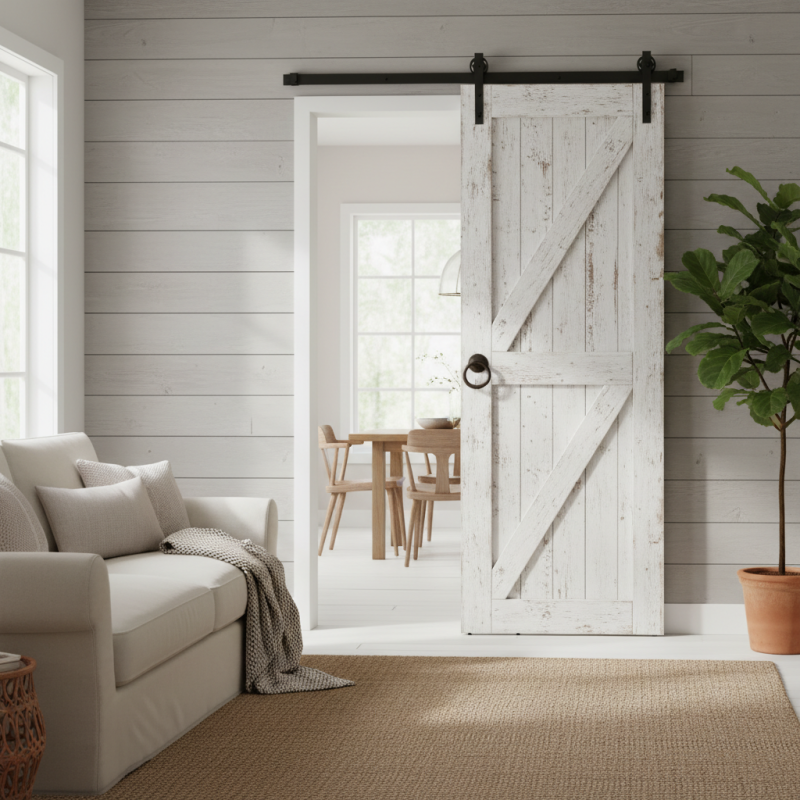
Choosing the Right Sliding Barn Door for Your Space
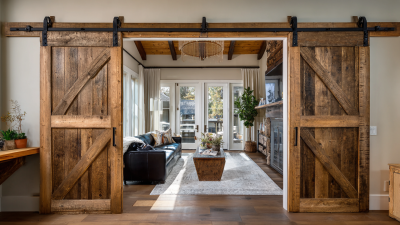
When choosing the right sliding barn door for your space, several factors come into play that can influence both style and functionality. According to a recent report from the National Association of Realtors, sliding doors have become increasingly popular in contemporary home design, giving homeowners the ability to save space while adding a rustic charm to their interiors. These doors are particularly advantageous for smaller rooms where conventional hinged doors would require more clearance and can obstruct traffic flow.
One key consideration is the material of the sliding barn door. Solid wood doors, while aesthetically pleasing and durable, can be quite heavy and may require more robust hardware for installation. On the other hand, lighter materials such as MDF or plywood allow for easier installation but may not provide the same level of insulation or soundproofing. A study by the Home Improvement Research Institute suggests that homeowners are increasingly opting for composite materials that combine durability with design flexibility. This trend shows that many people are looking for options that not only meet practical needs but also reflect their personal style.
In terms of size, it's essential to measure your space accurately to ensure that the door complements the existing layout. The typical size range for barn doors varies from 30 to 42 inches wide, with heights commonly around 80 inches. The same report indicates that custom sizes are on the rise, as more homeowners seek personalized solutions for unique spaces. Ultimately, finding the right sliding barn door is about balancing aesthetics with practicality, ensuring that it enhances the overall look of your home while serving its intended purpose efficiently.
How to Choose the Right Sliding Barn Door for Your Home
Measuring Your Doorway for a Perfect Fit
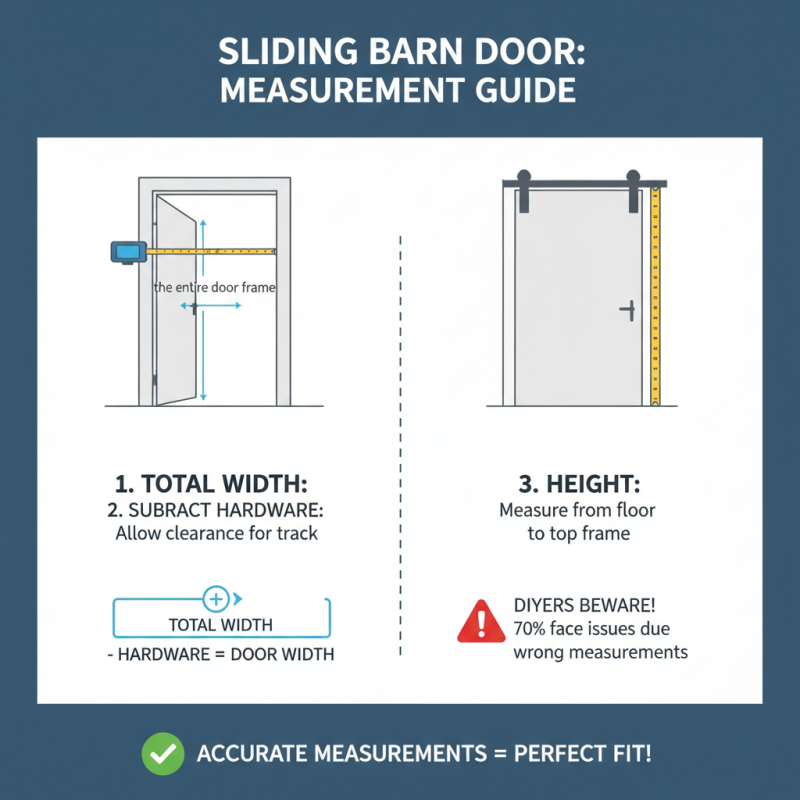
When it comes to installing a sliding barn door, getting the measurements right is crucial for a perfect fit. According to a recent industry report by the Home Improvement Research Institute, approximately 70% of homeowners who attempt DIY projects experience issues due to inaccurate measurements. To avoid being part of that statistic, take the time to measure both the height and width of your doorway meticulously. Start by measuring the total width of the door frame, then subtract the space required for the door's hardware, ensuring that there is enough clearance for the door to slide smoothly without obstruction.
Tips: Always use a level to double-check your measurements, and don’t hesitate to account for any unevenness in your walls or floors. A slight imperfection can lead to larger gaps that affect both function and aesthetics. Additionally, consider measuring at multiple points along the height if your doorway isn’t perfectly straight, combining your results for the most accurate reading.
Next, when calculating the door's height, remember that standard sliding barn doors are typically 80 inches tall; however, you may want to adjust this based on your ceiling height or design preferences. Ensure you measure from the floor to the highest point of the door frame, and factor in the desired clearance between the door and the floor to allow for any flooring transitions, which can vary in thickness.
Gathering Tools and Materials for Installation
Installing a sliding barn door can add a rustic charm to your home while also maximizing space efficiency. Before you embark on this DIY project, it’s essential to gather the right tools and materials to ensure a smooth installation process. According to the National Association of Home Builders (NAHB), the average cost of a barn door installation ranges from $400 to $1,200, which includes both materials and labor. However, tackling this project yourself can save you significant costs, provided you have the necessary resources.
Start by gathering materials including a barn door slab, mounting hardware, and a track system. You'll also need tools such as a drill, level, measuring tape, and a miter saw. Make sure to measure your doorway accurately to select a door that fits perfectly. Research indicates that improper measurements account for over 30% of DIY project frustrations, so investing time in precise calculations can save you from setbacks.
Tips: When selecting your barn door, consider using reclaimed wood for a sustainable approach, which can also enhance the aesthetic value of your home. Additionally, lining up your mounting hardware visually with the door can help create a polished look. Always wear safety gear, such as goggles and gloves, to protect yourself during installation. Planning and preparation are key, and with the right tools and materials, your barn door installation can be a rewarding home improvement project.
Step-by-Step Installation Process for a Sliding Barn Door
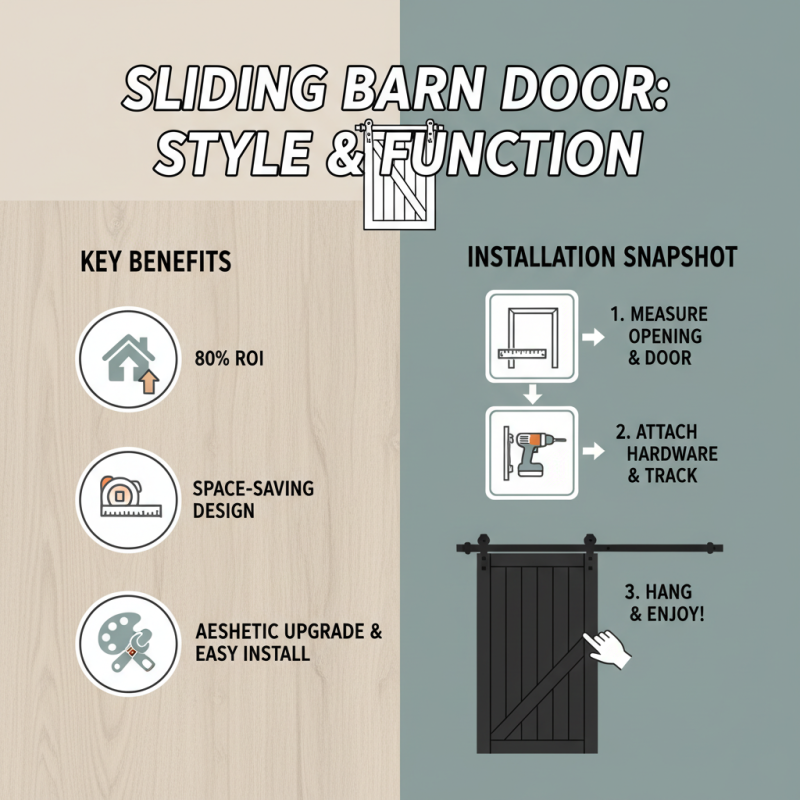
Installing a sliding barn door can transform any space in your home, bringing both style and functionality. The step-by-step installation process begins with selecting the right door size and style to fit your aesthetic and spatial needs. It’s crucial to measure the width of the opening and consider the desired door height, as this will ensure a seamless fit. According to industry insights, homeowners can expect a return on investment of approximately 80% when upgrading to a sliding barn door, making it a worthwhile addition.
Preparation is key in the installation process. First, secure all necessary tools, including a level, drill, and stud finder. Ensure that the wall can support the weight of the door and the track system. When you’re ready to install, begin by anchoring the track to the wall and making sure it is level. This step is vital; an uneven track can lead to door malfunction and safety hazards.
**Tip:** Always double-check your measurements before cutting any materials. Additionally, consider using a helper for the installation, as barn doors can be heavy and cumbersome to maneuver alone. For the finishing touch, choose the right hardware that complements your door’s design, enhancing the overall aesthetic of your space while maintaining functionality.
Finishing Touches: Adjustments and Aesthetic Enhancements
When installing a sliding barn door, the final aesthetic details can dramatically enhance the overall appearance and functionality of the door. According to a National Association of Home Builders report, nearly 70% of homeowners prioritize design elements that reflect their personal style during renovation projects. To achieve a polished look, start by ensuring that the door is properly aligned and operates smoothly. This may involve minor adjustments to the track system or the roller mechanisms. Even a small misalignment can detract from the door's visual appeal and usability.
Once the door is functioning flawlessly, focus on aesthetic enhancements. Consider adding decorative hardware, such as handles or hinges, that complement your home's interior design. A study by the American Institute of Architects suggests that unique hardware choices can increase home value by up to 10%. Additionally, applying a fresh coat of paint or a stain that showcases the wood grain can transform a standard sliding barn door into a stunning focal point. Combining these finishing touches not only enhances the door's functionality but also elevates the entire room's ambiance, making it a worthwhile investment in your home makeover.