What Is Laminate Plank Flooring?

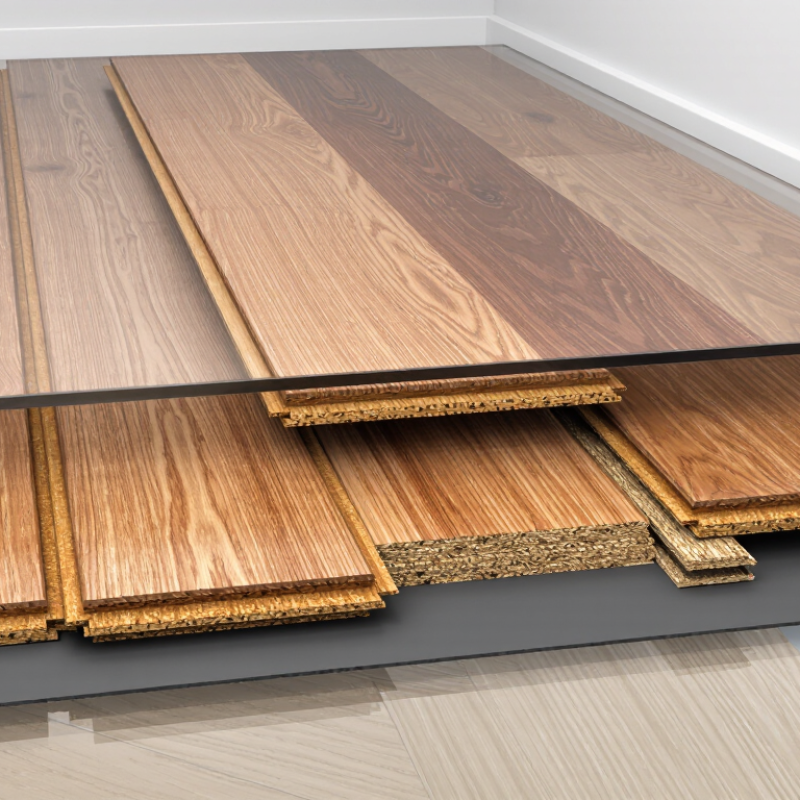
Laminate Plank flooring is built in layers, but its appeal is easy to see at floor level: a printed oak pattern, a clear wear surface, and boards that click together. Beneath the image layer, a high-density fiberboard core gives each plank structure. Many products also include a backing layer for stability. The result can resemble timber without using a solid wood surface. It is not wood, though, and the distinction matters when choosing products or setting expectations.

Market reports suggest why this flooring remains widely discussed. Grand View Research estimated the global laminate flooring market at approximately US$30 billion in 2023. Such figures describe a broad market, not a guarantee of quality in any individual plank. For practical comparisons, the North American Laminate Flooring Association’s certification program is more useful: it evaluates products against performance tests, including wear, stain, and dimensional stability. Look for documented test results, not just attractive room photography.

A named expert’s exact quotation cannot be verified from the material provided, so I won’t invent one. That restraint matters. A glossy sample can look convincing under showroom lights, yet reveal little about its performance in a busy hallway. Check the product’s specifications, warranty terms, installation instructions, and moisture guidance before buying. Small details count. This guide explains what Laminate Plank flooring is, how its layers work, and what to inspect before it reaches your home. One caveat remains: wear ratings and marketing labels are not interchangeable, and comparisons can be less clear than they should be.

What Is Laminate Plank Flooring?

Definition and Basic Characteristics of Laminate Plank Flooring

Laminate plank flooring is a manufactured floor covering made to resemble wood, stone, or another surface. Each plank usually has several bonded layers. A clear wear layer protects the printed décor image, while a dense fibreboard core gives the plank its shape and stiffness. A backing layer helps support the construction. Not solid wood.

The printed surface can reproduce grain patterns and knots, but each plank repeats an image from a limited design range. In a room, that repetition may become noticeable if similar patterns sit side by side. Most products are installed as floating floors, with planks joining through fitted edges rather than being fastened individually to the subfloor. A smooth, dry base matters. Small bumps can make joints flex or create a hollow sound underfoot.

Laminate is generally easy to wipe clean, and its wear resistance depends on the product’s construction and rating. It should not automatically be treated as waterproof: spills left near seams may allow moisture to reach the core and cause swelling. The seam still matters. Felt pads under chair legs can reduce scratches, though grit tracked in on shoes may still dull the surface over time. Its firm feel and sharper footfall sound are worth considering, especially in bedrooms or upper-floor rooms.

Materials and Layers That Make Up a Laminate Plank

A laminate plank is built from layers pressed into one firm board. At the top, a clear wear layer, often made with a resin coating, helps resist everyday scuffs and stains. It is thin, but important. Grit under shoes can still dull the surface, so this layer is not a shield against every scratch. Beneath it sits the decorative layer: printed paper that gives the plank its wood, stone, or other visual pattern. Fine grain lines and color variation can look convincing from standing height, though repeated patterns may become noticeable across a large floor.

The central layer is usually a dense fiberboard core. It gives the plank much of its rigidity and provides the profile for click-lock edges. If moisture reaches an exposed seam or damaged edge, the core may swell; a printed surface cannot prevent that. A backing layer on the underside helps balance the plank and reduce changes from ordinary shifts in humidity. The exact construction varies by product, so checking its specifications matters. The layers sound tidy on paper. Real rooms are less tidy: wet shoes, chair legs, and uneven subfloors all test the assembly in different ways. That is easy to underestimate.

How Laminate Planks Are Manufactured and Joined

Laminate planks are built in layers, and each one has a job. A dense fiberboard core gives the plank its stiffness. Above it, a printed paper layer carries the wood or stone pattern. A clear wear layer protects the image from everyday scuffs. A balancing layer underneath helps limit warping. These layers are pressed together with heat and pressure, then cooled and cut into planks. The edges are shaped with precise grooves and tongues, or other interlocking profiles.

That joint matters. On site, one plank’s edge fits into the next, often by angling it down or tapping it gently into place. The fit should feel secure, not forced. A small misalignment can leave a visible seam or damage the locking edge. I have found that checking the floor beneath is easy to overlook; even a good joint may not sit well on an uneven surface. Installers usually leave a perimeter gap so the floor can respond to changes in temperature and humidity. The planks are not glued to one another. They form a floating surface. It sounds simple. Still, clean cuts and careful handling make a noticeable difference.

What Is Laminate Plank Flooring? — How Laminate Planks Are Manufactured and Joined

Stage or Feature Materials or Typical Details How It Works Why It Matters
1. High-density fiberboard core Wood fibers bonded with resin and compressed into a dense, stable board. The core is cut into panels that form the main body of each plank. Provides rigidity and a machinable base for the plank’s locking edges. The core is wood-based and can be affected by prolonged moisture exposure.
2. Decorative layer Printed paper bearing a photographic image, commonly designed to resemble wood or stone. The printed layer is placed above the core, beneath the transparent wear layer. Creates the visible pattern; it is an image layer rather than a solid wood or stone surface.
3. Wear layer Transparent paper or overlay impregnated with resin; some constructions include mineral particles such as aluminum oxide. It is consolidated over the decorative layer during pressing. Helps resist everyday abrasion, stains, and surface wear. Performance depends on the product’s construction and test rating.
4. Balancing layer A backing layer, often resin-treated paper, attached to the underside of the core. It helps balance the panel during manufacture and can help limit warping. Completes the layered construction; it does not make the plank waterproof.
5. Layer consolidation Prepared surface layers and the fiberboard core. In common direct-pressure laminate production, heat and pressure bond the layers together into a panel. Produces a unified panel before it is cut and shaped into individual planks.
6. Cutting and profiling Consolidated panels are trimmed into plank-sized pieces and machined along their edges. Precision milling forms complementary tongue-and-groove or other click-lock profiles. Accurate profiles help adjoining planks align and engage securely.
7. Plank-to-plank joining Mechanically shaped edge profiles; no wet adhesive is normally needed for a floating click-lock installation. Installers angle, fold, or press planks together according to the particular locking system’s instructions. The connected floor rests over the subfloor as a floating floor, rather than being fastened directly to it.
8. Installation allowance An expansion gap is typically left around walls and fixed objects; the required gap varies by product and room conditions. Trim or molding covers the perimeter gap without pinning the floor tightly in place. Allows for normal dimensional movement. Follow the flooring manufacturer’s installation instructions for the specified gap and room-size limits.
9. Product variation Plank thickness, dimensions, surface texture, edge design, and water-resistance claims vary by product. Manufacturers select different specifications and locking profiles for different product lines. Check the product documentation for exact dimensions, care requirements, installation method, and performance ratings.
10. Moisture considerations Many laminate planks use a fiberboard core, while some products have additional edge treatments or specific water-resistance features. Water resistance depends on the complete plank construction, the joints, installation, and exposure conditions. Do not assume every laminate floor is waterproof. Clean spills promptly and follow the product’s stated limits.
Note: Construction details and installation requirements vary. The figures and features for any specific flooring should be confirmed in its technical documentation.

Common Styles, Finishes, and Uses

Laminate plank flooring is built from layered materials, with a printed image beneath a clear wear layer. That image can mimic oak, maple, walnut, or weathered boards without using solid wood. Narrow planks suit traditional rooms, while wider boards can make a small space feel more open. Some designs include visible knots, grain variation, or beveled edges. Look closely at sample boards. Repeated patterns can become noticeable across a large, sunlit floor.

Finishes change both appearance and upkeep. Matte surfaces soften glare and tend to hide light dust, while satin adds a gentle sheen. Glossy finishes reflect more light, but scratches and footprints may stand out. Textured or embossed surfaces can echo wood grain underfoot; they are not identical to real timber. A sample viewed under store lighting may look different beside a home’s windows.

These floors are commonly used in living rooms, bedrooms, hallways, and other dry, busy areas. Kitchens may be suitable when spills are wiped promptly and the product’s moisture guidance is followed. Not every room. Bathrooms and laundry areas need particular care because standing water can affect seams and the core. Check the wear rating, installation requirements, and subfloor condition before choosing; even a durable surface can feel hollow over an uneven base.

Installation, Maintenance, and Limitations

Laminate plank flooring uses a printed décor layer sealed beneath a clear wear layer, with a fiberboard core. Many planks click together over a clean, flat subfloor. Follow the product’s installation instructions, especially for expansion gaps near walls and doorways. A tapping block can help seat joints, but forceful blows may damage edges. Measure carefully; even then, the final row may need trimming around an uneven wall.

Tips: Let the flooring adjust to the room’s temperature and humidity as directed. Check the subfloor for dips before laying the first plank. Keep a few offcuts for testing tricky cuts.

For routine care, sweep grit that could scratch the surface and wipe spills promptly with a lightly damp cloth. Avoid soaking the floor; moisture can seep into seams and swell the core. Laminate is not usually refinishable like solid wood, and deep scratches or swollen planks may require replacement. It can also sound hollow underfoot, particularly over an uneven base. The wear layer varies, so durability depends on the flooring’s specifications and the room’s traffic. A bathroom or laundry area may need a more moisture-tolerant option. Even good care has limits.

This website uses cookies to ensure you get the best experience. By continuing to browse on this website, you accept the use of cookies for the above purposes.