Clad Wood Windows Tips for Choosing the Best Options?
When selecting Clad Wood Windows, the choices can feel overwhelming. Industry expert Michael Green emphasizes the importance of understanding your needs. He once stated, "Choosing the right windows is more than just aesthetics—it impacts your home's efficiency." His insight highlights the significance of informed decision-making.
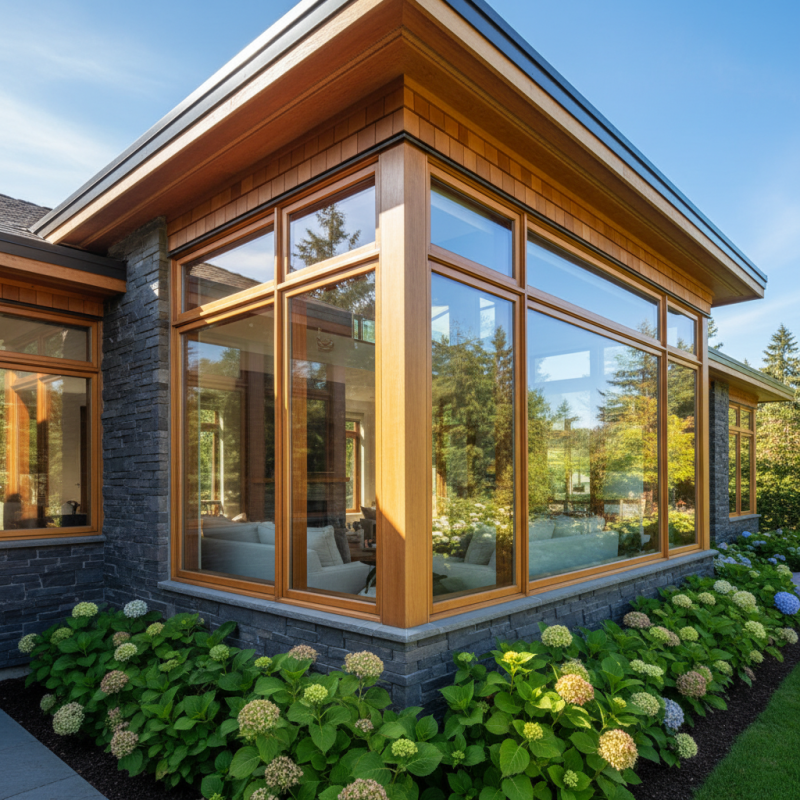
Clad Wood Windows combine natural beauty with modern durability. They provide an appealing exterior and the warmth of wood indoors. This blend offers homeowners both style and function. However, not all Clad Wood Windows are created equal. The market is flooded with options, making it crucial for buyers to do their research.
It can be easy to overlook details, such as maintenance requirements and climate compatibility. Not every window suits every environment. The right choice impacts long-term satisfaction, energy efficiency, and overall home comfort. Investing time to consider factors like material quality and warranty can prevent costly mistakes down the road. Understanding these elements ensures a well-rounded purchasing decision.
Factors to Consider When Choosing Clad Wood Windows
When considering clad wood windows, several factors come into play. First, the balance between aesthetics and functionality is crucial. Clad wood windows offer a beautiful wooden interior, while the exterior is protected by durable materials. This combination ensures that your windows suit the architectural style of your home while remaining low maintenance.
Another important aspect is energy efficiency. Look for windows with optimal insulation properties. Double or triple-glazed options can significantly reduce energy costs. Also, consider the climate in your area. In colder regions, windows should provide excellent thermal resistance. In warmer climates, energy-efficient windows can keep your home cooler.
Here are some tips for choosing clad wood windows. Pay close attention to the warranty offered. A reliable warranty indicates the manufacturer's confidence in their product. Investigate the types of wood used in the interior; different species offer various levels of durability and beauty. Also, check the finish options available. Some finishes require more maintenance than others. Ultimately, the best choice will meet your unique needs while enhancing your home’s value.
Benefits of Clad Wood Windows: Durability and Aesthetics
Clad wood windows are an excellent choice for homeowners seeking both durability and aesthetics. Their exterior cladding, often made of vinyl or aluminum, protects against harsh weather. This allows the wood interior to maintain its charm and warmth. Such windows can enhance the beauty of a home while providing long-lasting performance.
When choosing clad wood windows, consider the materials carefully. Look for options that offer strong resistance to fading, peeling, and rotting. Check for energy efficiency ratings, as these can significantly impact your utility bills. The aesthetic appeal of the interior wood grain should complement your home’s décor. Personal preference in style matters, too.
Tip: Assess your local climate. Windows should work well in your environment.
Quality installation is critical. Poorly installed windows can lead to air leaks and moisture issues. This can compromise both durability and aesthetics over time. So, pay attention to the details during installation.
Tip: Find a reputable contractor. Their expertise is invaluable for your investment.
In the end, clad wood windows offer a beautiful solution with practicality. They bring together elegance with robust performance. Just remember to think about the long-term benefits alongside immediate visual appeal.
Clad Wood Windows Tips for Choosing the Best Options
| Dimension | Description | Benefits |
| Durability | Resistant to rot, pests, and severe weather conditions. | Long-lasting performance with minimal maintenance. |
| Aesthetic Appeal | Available in various styles, colors, and finishes. | Enhances the visual appeal of your home. |
| Energy Efficiency | Thermal insulation properties reduce energy costs. | Keep homes warmer in winter and cooler in summer. |
| Customization | Can be tailored to fit specific design needs. | Allows homeowners to express personal style. |
| Maintenance | Require occasional cleaning and painting. | Lower upkeep compared to traditional wood windows. |
Comparative Cost Analysis of Clad Wood vs. Vinyl Windows
When considering windows for your home, clad wood and vinyl options present distinct financial advantages and challenges. According to the National Association of Home Builders, clad wood windows typically range from $800 to $1,200 per window, influenced by factors like size and energy efficiency. In contrast, vinyl windows usually cost between $400 and $800. While this makes vinyl windows appear financially attractive, the initial price does not tell the complete story.
Longevity is a significant factor in this analysis. Clad wood windows can last over 30 years with proper maintenance, while vinyl windows often face degradation from UV exposure and environmental stress, which might necessitate replacements in 15-20 years. A report from the American Architectural Manufacturers Association highlights that while clad wood may have a higher upfront cost, its durability and improved insulation can lead to energy savings of 10%-20% over time. Homeowners should weigh these long-term benefits against initial costs when making a decision.
Emphasizing aesthetics, clad wood often offers more design flexibility. This material can be stained or painted to match the home's decor. Vinyl, while available in diverse colors, lacks the same customization potential. The desire for originality must be balanced with budget constraints. Reflecting on both options is vital in making an informed choice. Make sure to evaluate life-cycle costs beyond just purchase price.
Energy Efficiency Ratings: Understanding the Importance
When selecting clad wood windows, energy efficiency ratings play a vital role. These ratings help homeowners understand how window options affect their energy bills. According to the U.S. Department of Energy, windows can account for about 25% to 30% of residential heating and cooling energy use.
In recent studies, windows labeled with Energy Star can reduce energy costs by up to 12%. This highlights the importance of understanding U-factor and Solar Heat Gain Coefficient (SHGC). A lower U-factor indicates better insulation, while an appropriate SHGC helps control heat gain from sunlight. However, not all climates require the same specifications. Homeowners might find it challenging to balance aesthetics and performance.
Adopting a rigorous approach in assessing these ratings is crucial. Look beyond surface details like design or color. The right windows can significantly impact long-term energy efficiency. Every choice counts in enhancing your home's performance. Investing time to understand these factors can lead to meaningful savings and increased comfort in your living space.
Maintenance Tips for Long-Lasting Clad Wood Windows
Clad wood windows are a great investment for any home. However, maintaining them properly is crucial for their longevity. Regular inspections can help identify early signs of wear. Pay attention to the frame and seals. Look for any gaps or cracks that could let moisture in. This simple habit can save you from costly repairs later.
Cleaning is essential but requires gentleness. Use a soft cloth and a mild detergent to wipe down the surfaces. Abrasive cleaners can scratch the finish, leading to deterioration. Be mindful of the weather, as extreme temperatures can affect the materials. In winter, ensure that snow and ice do not accumulate on the frames.
Also, consider periodic re-staining or resealing. This protects the wood beneath the cladding. Over time, the protective layers can wear thin. A visual inspection every few years can help you decide if it’s time for a refresh. If you notice fading colors or peeling, take action promptly. This can enhance both appearance and durability.