China Best Aluminum Porch Railing Manufacturers?

Choosing among China’s Aluminum Porch Railing manufacturers takes more than comparing catalog photos. A bright, even powder-coated finish may look convincing online. The real test is how the system handles rain, strong sun, daily contact, and years of outdoor use. Buyers should examine alloy specifications, coating options, post and bracket design, installation guidance, sample availability, and quality-control records. Ask how dimensions are checked and how damaged parts are handled. Clear answers matter.

Aluminum railing specialist Jordan Lee offers a useful reminder: “A railing is only as dependable as its connections, finish, and installation details.” That is a practical lens for evaluating Aluminum Porch Railing suppliers. Look for consistent welds, clean corners, secure fixing points, and components that fit together without improvised adjustments. Request recent project photos and confirm whether the pictured product matches the current specification. A polished brochure is not proof.

Price still matters. So do lead times, packaging, communication, and after-sales support. Ask manufacturers to state what is included, what is optional, and which requirements depend on the project location. Compare responses side by side. A supplier that explains limitations may be more dependable than one promising everything. Even careful research has gaps; a video call cannot replace inspecting a sample or checking references. The best choice is not automatically the cheapest or most famous. It is the manufacturer whose claims you can verify, whose details suit your porch, and whose team answers difficult questions plainly.
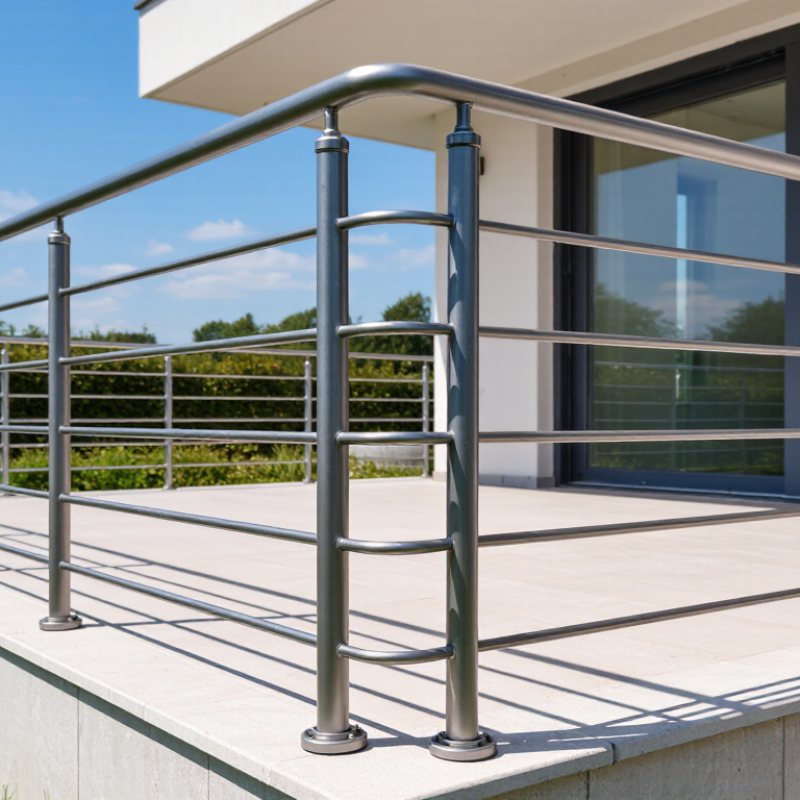
China Best Aluminum Porch Railing Manufacturers?

What Defines an Aluminum Porch Railing?

An aluminum porch railing is a barrier system that helps protect the edge of a raised porch while giving people a stable handhold. It usually combines vertical posts, a top rail, a lower rail, and infill such as narrow pickets. Simple parts. Together, they form a structure that must feel firm when someone leans against it.

The material matters. Aluminum is relatively light and resists rust, so it suits exposed porches where rain and damp air are common. A durable finish helps protect the surface and keeps the railing looking consistent. Still, “low maintenance” does not mean maintenance-free. Dirt can collect around post bases, and fasteners may loosen over time. I would check those areas during routine cleaning.

A well-defined railing is more than a row of metal bars. Its post spacing, infill gaps, attachment points, and rail height all affect safety and comfort. The design should also fit the porch: wide openings may offer a clearer view, while closely spaced pickets can feel more secure for households with small children or pets. Details vary. Installation quality matters just as much as the aluminum itself, especially where posts meet the porch floor.

What Defines an Aluminum Porch Railing?

An aluminum porch railing is a guard system made with aluminum components. Its safety function and dimensions matter alongside the material. These common International Residential Code (IRC) model-code benchmarks show key residential guard and stair-handrail measurements; local requirements may differ.

Benchmarks shown: 36-inch minimum guard height, 34–38-inch stair handrail height, and openings that generally must not allow a 4-inch sphere to pass. Verify current local building codes for your project.

How China’s Aluminum Railing Manufacturing Industry Is Structured

China’s aluminum railing industry is not one uniform factory network. It usually includes extrusion mills, profile fabricators, surface-treatment workshops, and finished-system manufacturers. Some companies handle several stages in-house. Others buy extruded profiles and focus on cutting, drilling, welding, and assembly. This division affects lead times, customization, and quality control.

The details matter. A porch railing may use posts, top rails, brackets, and infill panels made through different processes. Powder coating is commonly used for color and surface protection, but buyers should ask how coating thickness and finish are checked. They should also confirm alloy specifications, dimensional tolerances, packaging, and whether installation drawings are available. Small gaps in these details can cause delays on site.

That sounds tidy, but reality is messier. Supplier capability varies, even within the same manufacturing region. A careful assessment should compare factory records, sample workmanship, inspection procedures, and communication during technical discussions. Ask who controls each production step. Request clear drawings and written specifications before approving an order. A polished catalog alone is not enough.

China Best Aluminum Porch Railing Manufacturers? - How China’s Aluminum Railing Manufacturing Industry Is Structured

Industry Segment Typical Products or Work Common Manufacturing Processes What Buyers Should Check
Aluminum extrusion suppliers Extruded profiles used for posts, top rails, bottom rails, pickets, and related components. Aluminum billets are heated and pushed through dies to create profile shapes; profiles are then cut and finished. Confirm alloy and temper documentation, profile dimensions, wall thickness, straightness, and whether the profile is proprietary or made to a supplied drawing.
Railing system manufacturers Coordinated railing components or complete systems, which may include rails, posts, brackets, infill, and connection hardware. Profile sourcing or extrusion, cutting, drilling, machining, component assembly, and packaging. Check system compatibility, installation instructions, available configurations, replacement-part availability, and project-specific engineering support.
Fabrication and assembly workshops Made-to-measure railing sections, cut-to-length parts, preassembled panels, and custom brackets. Saw cutting, CNC machining, punching, drilling, fastening, and assembly. Ask how measurements are verified, how tolerances are controlled, and whether assembly and fit checks are performed before shipment.
Surface-finishing providers Powder-coated, anodized, or otherwise finished aluminum components. Surface preparation followed by a specified coating or anodizing process; finishing may be performed in-house or by a specialist subcontractor. Specify the finish, color reference, coating coverage, appearance requirements, and applicable test criteria in the purchase documents.
Hardware and accessory suppliers Fasteners, brackets, post bases, connectors, caps, and other installation accessories. Metal forming, machining, casting, stamping, or molding, depending on the component and material. Verify material compatibility, corrosion resistance for the intended environment, dimensions, and whether hardware is included in the quoted system.
Integrated project manufacturers Project-specific packages combining profiles, fabricated sections, finishes, accessories, and packing plans. Coordination of sourcing, engineering review, fabrication, finishing, inspection, and export packing. Review shop drawings, responsibility for site measurements, change-control procedures, inspection records, packing details, and delivery milestones.
Quality and compliance controls Documentation and checks supporting product consistency and project acceptance. Incoming-material checks, dimensional inspection, finish inspection, assembly checks, and document review. Building-code and load requirements vary by destination and project. Confirm applicable local requirements with the project designer or authority and request relevant test reports or certifications where required.
Export and supply-chain coordination Export packing, shipment documentation, and coordination between manufacturers, forwarders, and importers. Component labeling, protective packing, consolidation, and preparation of shipping documents. Confirm packing dimensions, protection against handling damage, shipping terms, documentation responsibilities, and who manages import clearance.

Key Standards and Features of Quality Porch Railings

Quality porch railing is more than a clean finish. It must feel stable when someone grips it and resist movement at the posts. Check that the proposed height, opening size, and load capacity meet local building requirements, since rules vary by location. Ask for test reports or product specifications that explain how the railing was evaluated. That paperwork matters. Aluminum profiles should have consistent walls, secure connections, and a durable coating suited to outdoor exposure. A smooth powder-coated surface can help resist weathering, but it cannot compensate for poor preparation or careless installation. Look closely at joints, corners, and cut edges. Small flaws show.

Material choice is only part of the job. Dissimilar fasteners can encourage corrosion where metals meet, so compatible hardware and suitable isolation details are worth checking. The installer should anchor posts into sound framing or properly designed concrete, not just porch boards. Ask how the system handles water around base plates, where moisture can linger. A railing may look perfect in a showroom and still feel loose after fitting; drawings do not reveal every site condition. Measure the finished openings, inspect the fixings, and apply firm hand pressure along the rail before accepting the work. Practical checks are easy to overlook.

How to Evaluate Chinese Aluminum Porch Railing Manufacturers

When evaluating Chinese aluminum porch railing manufacturers, look beyond polished catalog photos. Ask which alloy and temper they use, and request a written specification. A sample corner joint can reveal more than a brochure. Check cut edges, weld consistency, and whether posts sit square on a flat surface. Small flaws matter.

Review coating details, including pretreatment, powder thickness, color tolerance, and relevant salt-spray test reports. Ask for dated reports tied to the actual product, not generic claims. Confirm railing height, baluster spacing, load criteria, and mounting hardware against your project requirements. Measurements vary. A supplier should explain tolerances clearly, not simply promise “standard” dimensions.

Evaluate the process as well as the product. Request a current production sample, inspection checklist, packaging photos, and a sample-order timeline. Clarify who handles drawing approval and how changes are recorded. Replies with marked-up drawings are useful; vague assurances are not. Paperwork cannot predict every shipment. Check whether packaging protects corners and finish during handling, and ask how shortages or transit damage are documented. Compare suppliers using the same questions, while noting where your own criteria remain uncertain.

Factors to Consider When Choosing a Manufacturer

Choosing an aluminum porch railing manufacturer takes more than comparing prices. Ask for the alloy grade, finish details, and written load-test information for the specific railing system. These records help you compare products fairly. For coastal homes or damp climates, ask how the finish resists corrosion and how scratches should be repaired. A sample can reveal uneven coating, rough edges, or color differences that photographs hide.

Tips: Request a cut section or finish sample. Check corner joints and fasteners. Ask who handles installation questions, and get warranty limits in writing.

Manufacturing consistency matters, too. Ask how parts are measured, inspected, and packed before shipping. Clear installation drawings should show post spacing, mounting surfaces, and required hardware. If the manufacturer cannot explain these details plainly, pause before ordering. I would not judge quality by a polished brochure alone. Still, no sample or test report can predict every condition over many years. Compare documentation with the needs of your porch, and confirm that the railing fits its actual structure. A dependable supplier should answer specific questions without promising that maintenance will never be needed.

This website uses cookies to ensure you get the best experience. By continuing to browse on this website, you accept the use of cookies for the above purposes.