Top 10 Profile Aluminum Suppliers in China for Global Buyers?
The demand for Profile Aluminum has surged significantly in recent years. According to a report by Research And Markets, the global aluminum profile market is projected to grow at a CAGR of 5.2% from 2021 to 2026. This growth is driven by sectors like construction, automotive, and electronics. Profile Aluminum offers unique advantages, such as lightweight properties and superior strength, making it a preferred material for modern applications.
Chinese suppliers play a crucial role in this industry. With advanced manufacturing techniques, they supply high-quality products to international markets. A study by Smithers Pira indicates that China holds about 60% of the global aluminum profile production capacity. However, challenges remain. Quality inconsistencies and environmental regulations can impact the market. It's vital for global buyers to choose suppliers wisely, ensuring they meet both quality and sustainability standards.
Navigating the landscape of Profile Aluminum suppliers in China can be complex. Buyers must consider factors such as reliability, product range, and compliance with international norms. The following sections will explore the top ten Profile Aluminum suppliers, highlighting their strengths and areas for improvement. This journey aims to provide buyers with reliable insights, facilitating informed decisions in a competitive market.
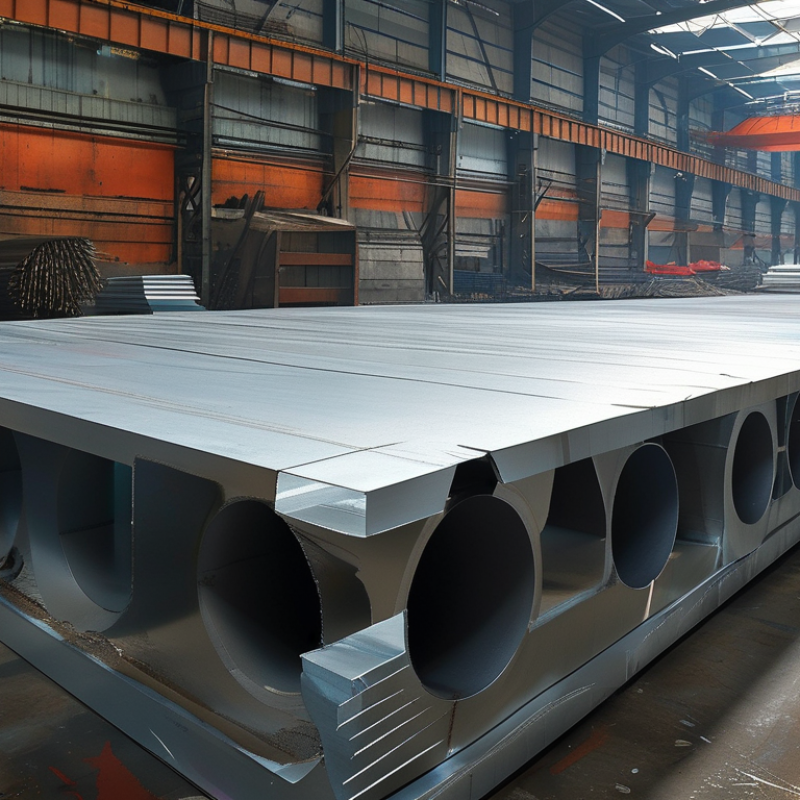
Top 10 Profile Aluminum Suppliers in China: An Overview of Market Leaders
China is home to a remarkable number of aluminum suppliers. These companies lead in profile aluminum production. They cater to diverse industries worldwide. With advanced technology, they ensure high-quality products. Many have adapted to global market demands effectively.
The competitive edge of these suppliers often lies in their experience. Establishing trust with clients is crucial. Their track record demonstrates reliability in delivering goods on time. However, not all companies maintain consistent quality. Some may experience fluctuations in production standards, which can cause hesitation for buyers.
Local regulations and environmental policies also affect operations. Suppliers must navigate these laws carefully. This adds another layer of complexity to their business model. Buyers should consider these factors when selecting a supplier. An informed decision requires a thorough evaluation of each company's strengths and weaknesses.
Key Criteria for Selecting Profile Aluminum Suppliers in China
When selecting profile aluminum suppliers in China, buyers should focus on several key criteria. Experience in the industry is crucial. A supplier with a long history likely has refined processes and a solid reputation. Look for companies that showcase their projects. This gives insight into their expertise and capabilities.
Quality control is another important aspect. Effective suppliers implement rigorous testing procedures. Ask about their certifications and standards. Reliable suppliers often provide documentation that proves their commitment to quality. Communication is vital too. Clear and timely responses indicate professionalism. Discrepancies in communication may signal underlying issues.
Pricing should not be the sole factor in selection. While competitive prices are attractive, they often lead to compromises. Balance cost with quality and service. Consider logistical aspects as well. How does the supplier handle shipping? Understanding these details can prevent potential headaches. In choosing profile aluminum suppliers, thoughtful consideration of these elements is key to a successful partnership.
Analysis of Global Demand for Profile Aluminum: Trends and Statistics
The global demand for profile aluminum has been on the rise. Key factors include construction and manufacturing sectors expanding. Countries are increasingly focusing on sustainable materials. Profile aluminum is lightweight and recyclable, making it a preferred choice. In recent years, statistics show a 15% increase in demand annually. This shift reflects a broader trend toward eco-friendly practices.
Major markets include North America, Europe, and Asia. Construction projects are driving demand in these regions. Additionally, automotive industries are embracing aluminum for vehicle components. Investment in renewable energy also boosts the need for aluminum frames and supports.
However, the supply chain faces challenges. Fluctuating raw material prices can impact production. Logistics disruptions may hinder timely deliveries. Buyers should remain adaptable to these pressures. Analyzing market trends is crucial for making informed decisions. Understanding these dynamics helps in navigating the profile aluminum landscape effectively.
Evaluating Supplier Capabilities: Production Capacity and Quality Control
When evaluating aluminum suppliers, production capacity and quality control are crucial. Reports indicate that the global aluminum market is projected to reach USD 250 billion by 2025. A strong supplier should demonstrate sufficient production capacity. This includes the ability to scale operations to meet demand spikes. Suppliers with multiple production lines often fare better in this area.
In terms of quality control, stringent measures are vital. Many suppliers adopt ISO 9001 certification to standardize their quality management systems. This can greatly reduce defects and improve product reliability. A recent survey shows that 70% of buyers value suppliers who implement consistent quality checks. It’s wise to ask for data on defect rates and customer complaints.
Tips on choosing suppliers include visiting manufacturing facilities. This allows buyers to witness production firsthand. Moreover, request samples to evaluate quality before committing to larger orders. Trust is built through transparency in processes, so look for suppliers willing to share their quality metrics.
Impact of Trade Policies on Chinese Profile Aluminum Exports to Global Markets
The landscape of aluminum exports from China has been heavily influenced by ongoing trade policies. Tariffs and quotas set by various countries impact the competitiveness of Chinese profile aluminum in global markets. These measures can increase costs for buyers and alter supply chains. As a result, some companies are reevaluating their sourcing strategies.
Trade agreements also shape the dynamics of export levels. Changes in regulatory frameworks can either hinder or promote trade relationships. For instance, a sudden tariff increase can lead to abrupt price hikes and loss of business for suppliers. Importers must be vigilant and adapt to these shifting policies.
It's essential for global buyers to stay informed about these changes. Knowledge of the potential impacts on costs, supply, and availability can guide better purchasing decisions. While challenges abound, opportunities exist for those willing to navigate this complex landscape. Understanding the implications of trade policies can enhance strategic planning and sourcing efficiency.
Top 10 Profile Aluminum Suppliers in China for Global Buyers
| Rank | Annual Revenue (million USD) | Production Capacity (tons) | Export Percentage (%) | Main Markets | Certifications |
| 1 | 500 | 15000 | 85 | North America, Europe | ISO 9001, AS9100 |
| 2 | 450 | 12000 | 90 | Asia, Australia | ISO 14001 |
| 3 | 400 | 11000 | 75 | Middle East, Africa | CE, RoHS |
| 4 | 350 | 10000 | 80 | Europe, North America | ISO 9001 |
| 5 | 300 | 9500 | 70 | Asia, South America | CE, ISO 14001 |
| 6 | 250 | 8000 | 65 | Europe, Africa | ISO 9001, RoHS |
| 7 | 200 | 7000 | 60 | Asia, North America | ISO 14001 |
| 8 | 150 | 6000 | 55 | Middle East, Europe | CE, ISO 9001 |
| 9 | 100 | 5000 | 50 | Asia, South America | ISO 14001 |
| 10 | 50 | 3000 | 45 | Africa, North America | CE, RoHS |