Top Hand Rails for Stairs Safety and Style Tips for Your Home
In the realm of home safety and design, the significance of hand rails for stairs cannot be overstated. They serve not only as a crucial safety feature but also as an opportunity to enhance the aesthetic appeal of your home. According to renowned interior design expert, Sarah Johnson, “Properly designed hand rails for stairs are the unsung heroes of home safety—providing support and style in equal measure.”
As we explore the top hand rails for stairs, it's essential to recognize the various materials and styles available, each offering unique benefits and charm. From classic wooden designs that evoke warmth and tradition to sleek metal finishes that reflect modern elegance, hand rails can complement any décor while ensuring security for all users.
In this guide, we will delve into safety considerations, installation tips, and design ideas that not only meet safety standards but also align with your personal style, proving that function and fashion can indeed go hand in hand. The right hand rails for stairs can transform your home into a space that is both beautiful and secure, fostering a sense of comfort and well-being for you and your guests.
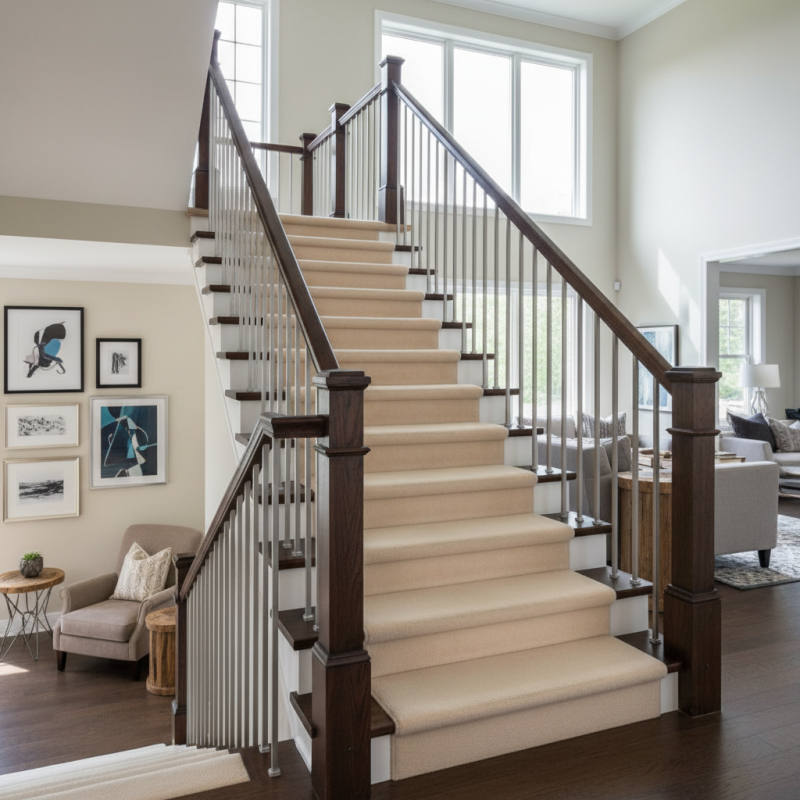
Choosing the Right Material for Stair Hand Rails
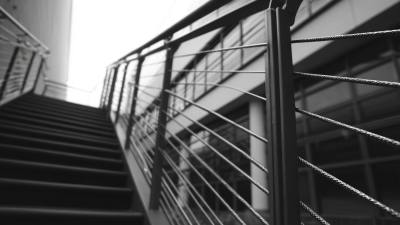
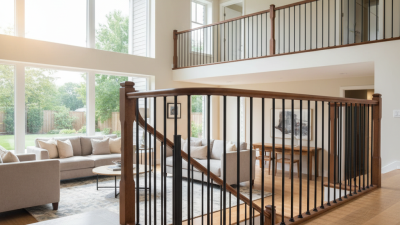
When selecting the right material for stair handrails, there are several options to consider, each with its own set of benefits. Wood is a classic choice that brings warmth and elegance to any home. It can be easily customized with stains and finishes to match your décor. However, wood may require regular maintenance to prevent deterioration over time. For a modern look, metal handrails, such as stainless steel or wrought iron, offer durability and strength. They are resistant to wear and require less upkeep compared to wood, making them an excellent long-term investment.
Another material worth considering is glass, which provides a contemporary aesthetic while ensuring safety and visibility. Glass handrails create an open feel, allowing natural light to flow through, but they must be tempered for safety. Whichever material you choose, it’s important to ensure that it meets local building codes.
**Tips**: When choosing materials, think about your home's overall style and the safety features you need. Consider combining materials for a unique look; for example, pairing wooden handrails with metal brackets can add character. Also, ensure that the chosen material offers a secure grip and includes proper spacing for safety, especially in homes with children or elderly residents.
Designing Hand Rails That Complement Your Home's Aesthetic
When designing handrails for your home, it's essential to ensure that they not only provide safety but also enhance the overall aesthetic of your space. Handrails can serve as more than just a functional element; they can be a key design feature that ties together the various architectural components of your home. For instance, selecting materials that harmonize with your existing decor, such as elegant wood or contemporary metal finishes, can create visual cohesion. Consider how the color, texture, and design of the handrails complement the staircase, walls, and surrounding furniture to ensure a seamless flow throughout your home.
Moreover, the style of the handrails should reflect the overall theme of your interior design. For a modern look, sleek and minimalist designs with sharp lines can emphasize space and sophistication. Conversely, if your home boasts a traditional style, ornate balusters and classic wood choices may provide the warm, inviting feel you desire. Think about decorative elements like intricate carvings or unique shapes that can add character without compromising safety. By thoughtfully designing your handrails, you can achieve a perfect balance of safety and aesthetics that enhances your living environment.
Top Hand Rails for Stairs Safety and Style Tips for Your Home
| Hand Rail Material |
Safety Features |
Style Options |
Maintenance Level |
Cost Estimate |
| Wood |
Smooth finish for grip |
Classic, Rustic |
Medium |
$50 - $200 |
| Metal |
Durable, non-slip |
Modern, Industrial |
Low |
$30 - $150 |
| Glass |
Clear visibility |
Sleek, Contemporary |
High |
$100 - $300 |
| Composite |
Weather resistant |
Versatile, Stylish |
Medium |
$70 - $250 |
| Cable |
Strong tension |
Minimalist, Open |
Low |
$80 - $200 |
Safety Features to Consider When Installing Hand Rails
When considering the installation of handrails for stairs, safety should be the top priority. One crucial feature to look for is the height of the handrail. It should be at a comfortable height—typically between 34 to 38 inches—allowing individuals to grasp it easily while ascending or descending. Additionally, the handrail should extend the full length of the staircase and terminate firmly to ensure maximum support. Features such as round or oval shapes provide a better grip compared to flat surfaces, minimizing the risk of slipping or losing balance.
Another important aspect to take into account is the material of the handrail. Opting for sturdy materials like wood, metal, or composite options can significantly enhance durability while ensuring structural integrity. It's also essential to consider the handrail's texture; a non-slip surface can further contribute to safety, especially in homes where the stairs may be exposed to moisture. Furthermore, incorporating a continuous handrail design without breaks can provide uninterrupted support, allowing users to feel secure from the top to the bottom of the stairs.
Top Hand Rails for Stairs Safety and Style
Maintenance Tips for Keeping Hand Rails in Top Condition
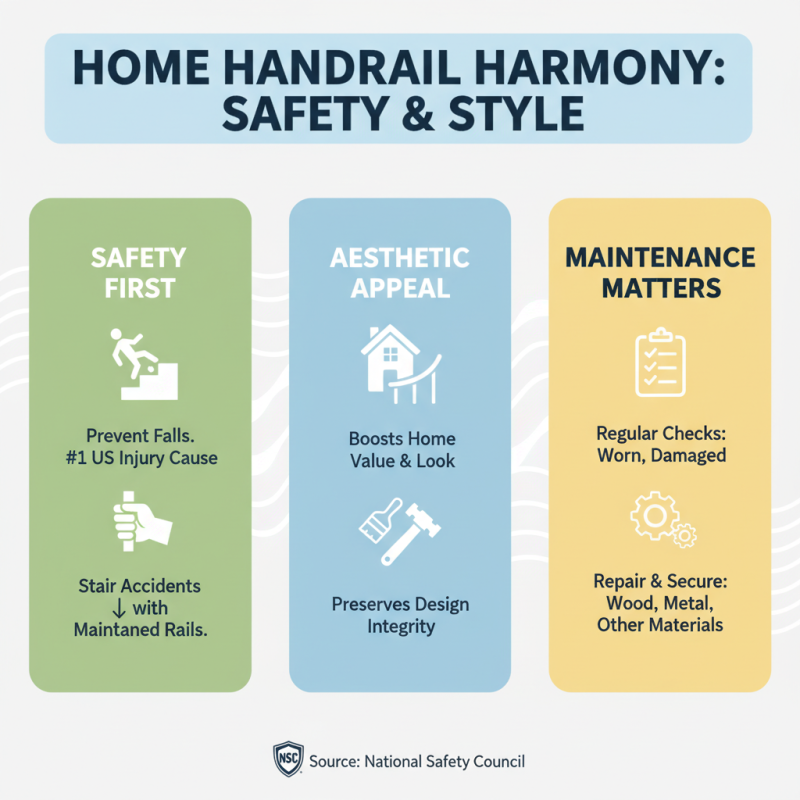
Maintaining hand rails in top condition is crucial for ensuring safety and enhancing the aesthetic appeal of your home. According to the National Safety Council, falls are the leading cause of unintentional injury in the U.S., with stair-related incidents accounting for a significant portion of these accidents. Regular maintenance of hand rails not only minimizes the risk of accidents but also preserves the overall integrity of your home’s design.
To keep hand rails in optimal shape, it's essential to conduct routine inspections and cleanings. Wood hand rails should be checked for signs of wear, such as splintering or cracking, and treated with appropriate sealants to protect against moisture and pests. Metal hand rails should be inspected for rust, which can be prevented with regular cleanings using a mild detergent and the application of rust-resistant paint. Additionally, ensuring that all bolts and screws are tightened can prevent wobbling, which may pose a safety hazard.
Furthermore, the American Institute of Architects emphasizes the importance of periodic re-evaluation of hand rail height, spacing, and materials to conform with current safety standards. With safety regulations evolving, staying updated on the latest guidelines can greatly enhance both function and form. By dedicating time to maintain hand rails, homeowners can create a safer environment while also reinventing their space’s style.
DIY vs Professional Installation: Making the Right Choice
When considering the installation of handrails for stair safety, homeowners often face the dilemma of choosing between a DIY approach or hiring professional services. DIY installation offers the allure of cost savings and personal involvement in the design process. For those with basic carpentry skills, installing handrails can be a rewarding project that adds a custom touch to their home. However, it requires careful planning, appropriate tools, and an understanding of local building codes to ensure safety and compliance.
On the other hand, opting for professional installation brings a level of expertise that can guarantee not only aesthetic appeal but also adherence to safety standards. Professionals are skilled at assessing the most suitable materials and designs based on the unique layout of your staircase, ensuring that the handrails are both functional and stylish. Additionally, hiring experts can save homeowners time and potential frustration, as they can efficiently navigate any challenges that arise during the installation process. Ultimately, the decision between DIY and professional installation should be guided by individual skill levels, budget considerations, and the importance of safety in home improvements.