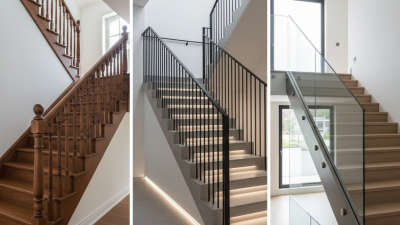
What Are the Top Types of Metal Handrails?

Metal handrails do more than guide people along stairs, ramps, balconies, and walkways. They provide a firm contact point when shoes are wet, lighting is poor, or balance becomes uncertain. Their material, profile, finish, and fixing method influence safety, maintenance, appearance, and service life. Details matter.

Industry demand supports closer examination. Grand View Research’s Handrail Market Size, Share & Trends Analysis Report describes continued market growth through 2030, supported by construction, renovation, and accessibility projects. Its findings also reflect the practical importance of durable materials in high-use environments. The American Institute of Architects’ Consensus Construction Forecast similarly indicates ongoing activity across commercial and institutional building sectors, where robust handrail systems remain common specifications. These reports do not make every metal option equally suitable.

Stainless steel, aluminum, galvanized steel, and wrought iron each solve different problems. Stainless steel offers strong corrosion resistance and a clean appearance, especially in hospitals, transit areas, and coastal buildings. Aluminum reduces weight and may simplify installation, although softer surfaces can show dents. Galvanized steel suits demanding exterior locations, while wrought iron brings visual character to traditional or decorative projects. There is no universal winner.

A reliable comparison must consider grip comfort, load performance, joint quality, coating durability, cleaning demands, and the surrounding climate. Standards such as the International Building Code and ANSI/ASSP A1264.1 should be checked with local requirements and qualified professionals. A polished finish can look impressive, yet become slippery if poorly specified. That point is easy to overlook. This guide examines the top types of metal handrails through practical experience, reported market evidence, and design considerations. It also questions where common assumptions may fail.
What Are the Top Types of Metal Handrails?

Metal Handrails: Definition, Purpose, and Common Applications

What Are the Top Types of Metal Handrails?

Metal handrails are graspable barriers that support people on stairs, ramps, balconies, and raised walkways. They help users maintain balance while reducing the risk of slips or falls. A handrail usually sits at a comfortable height and must provide a continuous, secure grip. It is not the same as a decorative railing or a full guardrail.

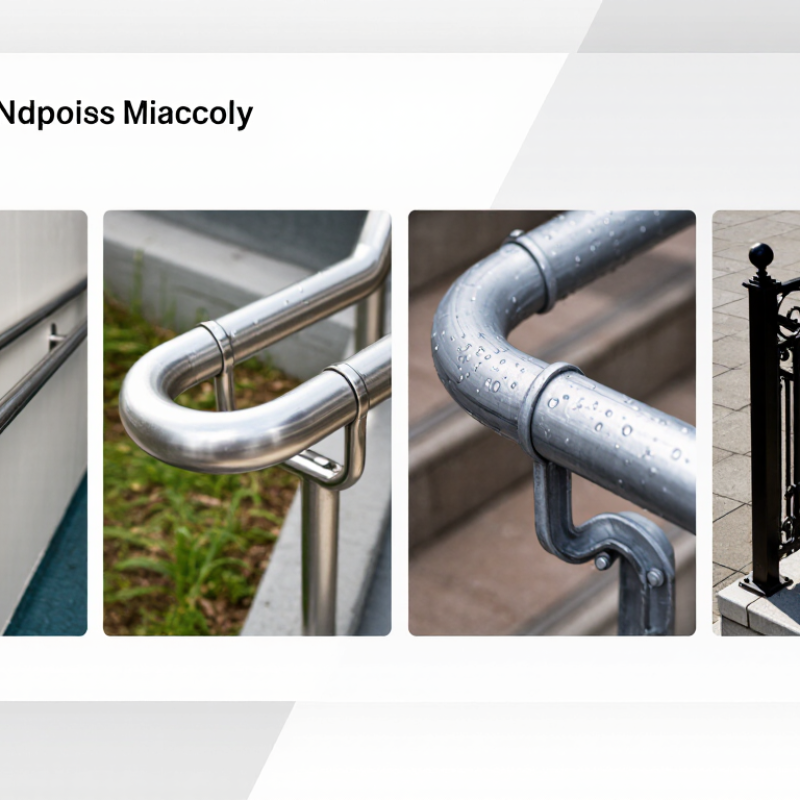
Common types include stainless steel, aluminum, mild steel, and wrought iron handrails. Stainless steel suits busy indoor areas because it resists corrosion and cleans easily. Aluminum is lightweight and practical for ramps or outdoor paths. Mild steel offers strength and flexible fabrication, but it needs protective finishing. Wrought iron creates a traditional appearance, although its heavier structure can increase installation demands.

Details matter.

Applications depend on the environment. Hospitals and public buildings often use smooth, easy-clean rails with rounded ends. Outdoor stairs may require galvanized or coated steel to handle rain and temperature changes. Residential interiors often combine metal rails with wood, glass, or concrete.

During site inspections, I would check wall fixing points, surface temperature, grip diameter, and drainage around exterior posts. A strong rail can still feel unsafe if it vibrates, has sharp edges, or sits too close to the wall. I have also seen attractive designs fail because installers overlooked hand clearance.

No single metal suits every project.
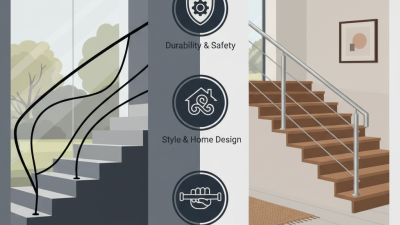
Wrought Iron Handrails: Traditional Design and Structural Features

Wrought Iron Handrails: Traditional Design and Structural Features

Wrought iron handrails remain popular because they combine historic character with dependable strength. Their dark, forged appearance suits stairways, balconies, gardens, and entry paths. Unlike hollow decorative tubing, traditional wrought iron has a dense, solid feel. A properly made rail can resist daily contact, minor impacts, and changing weather. However, appearance alone does not prove quality.

From practical installation experience, the strongest handrails use secure posts, evenly spaced supports, and carefully finished joints. Curved sections should feel smooth under the hand, without sharp edges or rough welds. Thick metal adds stability, but excessive weight can complicate wall or floor mounting. Measurements matter. A rail that sits too low feels unsafe, while an overly high rail can feel awkward. Local building requirements should guide height, spacing, and fixing methods.

Tips: Check the mounting surface before ordering. Brick, concrete, and timber require different fasteners. Inspect the coating for chips, especially near joints and base plates. Touch-up paint can slow corrosion, but it is not a permanent repair. Drainage also deserves attention; trapped water often causes hidden rust. One common mistake is choosing an ornate pattern that is difficult to clean. Simple detailing may age better. Even experienced installers can miss small alignment changes, so review the rail from several angles before final tightening.

Stainless Steel Handrails: Durability, Maintenance, and Modern Uses

What Are the Top Types of Metal Handrails?

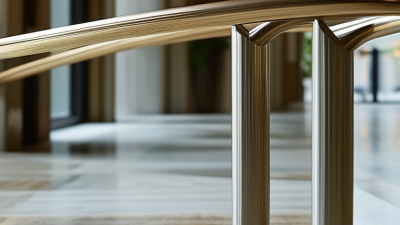
Stainless steel handrails remain a practical choice for stairs, ramps, balconies, and public buildings. Carbon steel, aluminum, and galvanized steel also have strong applications. However, stainless steel offers an effective balance of strength, appearance, and corrosion resistance. The International Stainless Steel Forum reported approximately 58.4 million tonnes of stainless crude steel production in 2023. That scale reflects its importance across construction and infrastructure.

Stainless steel is not maintenance-free, despite the popular claim. Dust, fingerprints, salt, and construction particles can create tea staining on the surface. Installers should select the correct grade for the environment. Austenitic 304 stainless steel suits many indoor areas, while 316 stainless steel performs better near coastal air. The 2016 NACE IMPACT study estimated global corrosion costs at about 3.4% of worldwide GDP. Proper material selection can reduce avoidable repair work. Still, poor drainage or contaminated tools may cause problems. The detail is easy to overlook.

Tips: Clean handrails with warm water and mild detergent every few weeks. Use a soft cloth and follow the grain direction. Avoid chlorine cleaners, steel wool, and abrasive pads. In coastal locations, inspect joints, welds, and fixings more frequently. Check local exposure conditions against ISO 9223 corrosion classifications. A simple inspection record helps teams notice discoloration early. One honest limitation remains: polished surfaces show marks quickly, especially in busy buildings.

What Are the Top Types of Metal Handrails?

Representative Minimum Tensile Strength of Common Handrail Materials

Stainless steel handrails, including 304 and 316 grades, offer a strong combination of durability, corrosion resistance, and low maintenance. The values shown are representative minimum tensile strengths in megapascals (MPa) for commonly used material specifications. Actual performance depends on the alloy, product form, environment, fabrication, and applicable building standards.

Aluminum Handrails: Lightweight Construction and Corrosion Resistance

Aluminum handrails combine low weight with dependable corrosion resistance, making them practical for stairs, balconies, ramps, and public walkways. Installers often notice the difference immediately: a six-meter rail can be positioned with fewer workers and less lifting equipment than a comparable steel section. This reduces handling strain, although careless fastening can still damage the surface.

The protective oxide layer on aluminum reforms naturally after minor scratching. It helps the rail withstand rain, humidity, and coastal air. Performance still depends on alloy selection, wall thickness, drainage, and connection details. Trapped water can create problems. Galvanic corrosion may also occur when aluminum touches incompatible metals without proper isolation.

Industry data supports aluminum’s wider use. The U.S. Geological Survey reported approximately 70 million metric tons of global primary aluminum production in 2023, showing the material’s substantial industrial scale. The International Aluminium Institute reports that recycled aluminum requires about 5% of the energy used for primary production. That difference can improve lifecycle performance, especially when old rail sections enter established recycling streams. Yet recycled content does not automatically guarantee quality. Manufacturers and specifiers should verify alloy grade, surface treatment, load capacity, and applicable building-code requirements. In practice, the lightest option is not always the safest or most durable one.

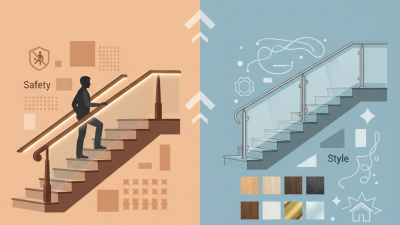
Choosing the Right Metal Handrail for Safety, Style, and Location

What Are the Top Types of Metal Handrails?

Choosing a metal handrail starts with location, not appearance. The World Health Organization identifies falls as the second leading cause of unintentional injury deaths worldwide. A secure grip matters on every stair, ramp, balcony, and platform. For workplace stairs, OSHA 1910.29 specifies handrail heights between 30 and 37 inches. Measure the finished floor carefully. Small installation errors can create uncomfortable, unsafe transitions.

Stainless steel suits coastal homes, healthcare areas, and modern interiors because it resists corrosion and cleans easily. Aluminum is lighter and practical for ramps or outdoor access routes, but it may feel less substantial under heavy use. Galvanized steel offers strong protection for industrial stairs, service yards, and exposed platforms. Wrought iron provides traditional character, although its decorative curves can complicate cleaning and grip control. A smooth, rounded profile usually supports a more reliable hand position.

The right finish depends on real conditions. Wet entrances need texture, not just shine. The U.S. Access Board’s 2010 ADA Standards emphasize continuous, graspable handrails on accessible routes. That guidance is useful, but site conditions still deserve judgment. I would not specify polished metal beside a pool without testing wet grip. It looks impressive.

Check wall clearance, return ends, fasteners, drainage, and thermal expansion before ordering. A beautiful rail can still fail its purpose when it is too cold, too thin, or difficult to grasp. Local building requirements may also exceed general guidance, so a qualified professional should verify the final design.

What Are the Top Types of Metal Handrails? — Choosing the Right Metal Handrail for Safety, Style, and Location

Metal Handrail Type Key Characteristics Best Locations Strength and Durability Corrosion Resistance Maintenance Needs Style and Finish Options Relative Cost Main Consideration
Stainless Steel Contains chromium that forms a passive protective layer on the surface. Common grades include 304 for general use and 316 for higher exposure to chlorides. Interior stairs, commercial buildings, outdoor walkways, coastal areas, and modern residential projects. High
Strong, rigid, and suitable for frequent-use areas.
Very High
Grade 316 generally offers better resistance in marine or salt-exposed environments than grade 304.
Low; periodic cleaning removes fingerprints, dirt, and surface contaminants. Brushed, satin, polished, and tube-based contemporary designs. High Surface contamination and unsuitable cleaning chemicals can still cause staining or corrosion.
Galvanized Steel Steel protected by a zinc coating, usually applied through hot-dip galvanizing, to provide sacrificial corrosion protection. Exterior stairs, ramps, industrial facilities, service platforms, and exposed public infrastructure. Very High
Well suited to heavy-duty applications and impact-prone environments.
High
The zinc coating protects the underlying steel, although cut edges and damaged areas require attention.
Low to moderate; inspect for coating damage and repair exposed steel when necessary. Industrial galvanized appearance; can also be painted or powder coated after suitable preparation. Medium The surface may have a visible zinc texture and is less suited to highly refined interior designs.
Powder-Coated Steel Steel finished with a dry powder coating that is cured to form a durable decorative and protective layer. Residential stairs, schools, offices, retail spaces, balconies, and covered outdoor areas. High
Provides good rigidity and impact resistance when properly specified.
Moderate to High
Performance depends on steel pretreatment, coating quality, and exposure conditions.
Low; clean with mild soap and inspect chips or scratches that expose the steel. Wide range of colors, gloss levels, textures, and architectural profiles. Medium Coating damage should be repaired promptly, especially in damp or coastal environments.
Aluminum Lightweight metal with a naturally protective oxide layer and good resistance to many atmospheric conditions. Outdoor ramps, balconies, public access routes, lightweight structures, and areas where installation weight matters. Moderate
Strong for its weight, but generally less rigid than steel for the same profile.
High
Suitable for many outdoor environments; prolonged contact with dissimilar metals can cause galvanic corrosion.
Low; routine washing is usually sufficient. Anodized, mill finish, painted, or powder-coated surfaces; clean contemporary appearance. Medium to High Designers must account for lower stiffness and suitable connections in long spans or high-load areas.
Wrought Iron Traditional iron material or a decorative iron-style product known for ornamental forms, scrolls, and customized detailing. Heritage properties, gardens, porches, villas, entrance steps, and decorative exterior stairways. High
Rigid and durable when correctly fabricated and protected.
Moderate
Requires a continuous protective paint or coating system to limit rust.
Moderate to high; inspect regularly, remove rust, and renew protective coatings as needed. Ornamental scrollwork, traditional profiles, painted finishes, and custom forged details. Medium to High Decorative fabrication and ongoing coating maintenance can increase lifecycle cost.
Carbon Steel Strong, versatile steel containing carbon as the primary strengthening element; commonly used for structural and fabricated handrails. Industrial stairs, warehouses, workshops, commercial buildings, and interior utility areas. Very High
Offers excellent stiffness and load-carrying capability when properly designed.
Low to Moderate
Unprotected carbon steel rusts in moisture and requires a suitable coating system.
Moderate; maintain paint, powder coating, galvanizing, or another corrosion-control system. Painted, powder coated, galvanized, or intentionally industrial finishes. Low to Medium It should not be left unprotected in humid, wet, or salt-laden environments.
Brass Copper-zinc alloy valued primarily for its warm metallic appearance and decorative character rather than maximum structural efficiency. Interior hotels, heritage interiors, luxury residences, theaters, and decorative public spaces. Moderate
Adequate for many interior handrail applications when properly supported.
Moderate to High
Generally performs well indoors but can tarnish and requires appropriate cleaning.
Moderate; polishing or protective finishing may be needed to preserve the desired appearance. Polished, satin, antique, and brushed golden-toned finishes. High Its appearance changes over time unless a clear protective finish or regular polishing is used.

This website uses cookies to ensure you get the best experience. By continuing to browse on this website, you accept the use of cookies for the above purposes.