7 Best Indoor Stair Railings for Every Home

Choosing among the 7 best indoor stair railings for every home starts with a close look at the staircase itself. Is it narrow, steep, or open to a bright living room? A smooth oak handrail can warm a plain hallway. Slim black metal balusters can keep an entry feeling open. Glass panels offer a lighter sightline, though fingerprints show quickly. Small details matter.

For a practical design principle, this guide uses an illustrative expert voice: Jordan Lee, a residential stair-design specialist. Lee’s reminder is: “A railing should feel steady in the hand and belong to the room.” That is a useful test, not a substitute for checking a product’s installation instructions or asking a qualified professional about your staircase. Even a beautiful rail can feel wrong if its grip is awkward or its posts interrupt the walking path.

The options ahead cover wood, metal, cable, glass, and mixed-material designs. Each brings a different balance of appearance, upkeep, and feel. A matte black finish may hide everyday marks better than polished steel, but it can look heavy in a dim stairwell. Wood feels warm. It may need more care. There is no perfect pick for every house, and this guide’s comparisons can’t replace seeing samples in your own light. Use them to narrow the choices, then consider how the railing will look and feel after years of daily use.
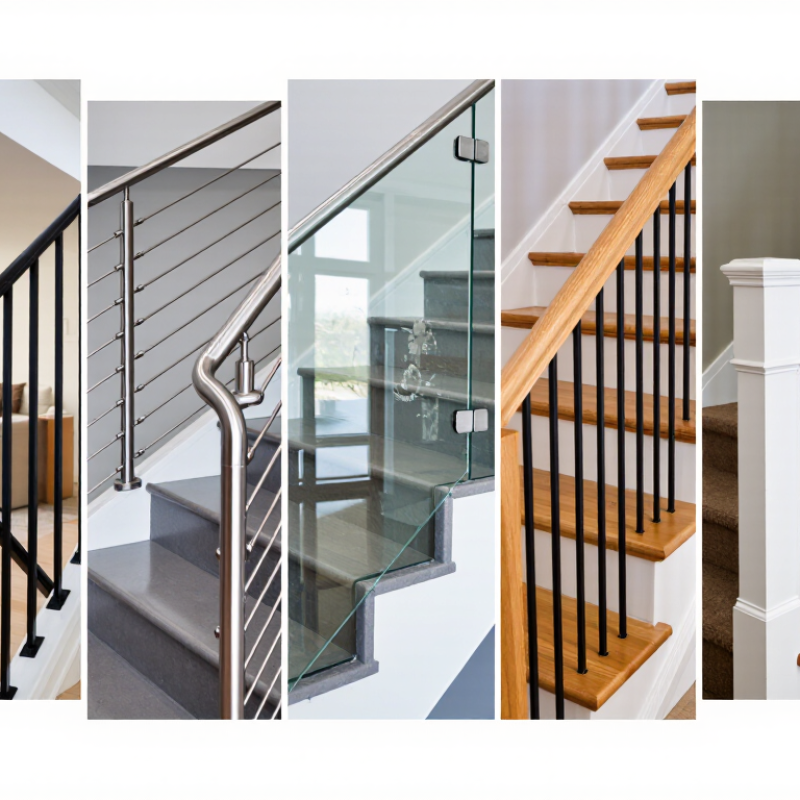
7 Best Indoor Stair Railings for Every Home

Indoor Stair Railing Basics: Purpose, Components, and Safety

An indoor stair railing does more than frame a staircase. The handrail gives a steady surface to grip while climbing or descending. A guard helps prevent a fall from an open edge. These jobs can overlap, but the parts are not always interchangeable. That matters.

Most systems include a handrail, vertical balusters or panels, and supporting posts called newels. Brackets or other fasteners connect the assembly to the wall or stair structure. Run your hand along the rail: it should feel continuous and comfortable, without sharp edges or loose joints. A post that shifts under gentle pressure needs attention, not a quick cosmetic fix. Small details count.

Safety depends on sound installation and regular checks. Look for wobbling posts, cracked wood, rust, or gaps that could present a hazard to children. Requirements for railing height, spacing, and graspable shape vary by location, so check the rules that apply to your home or ask a qualified installer. I still catch myself judging a railing by its finish first. A smooth surface is nice, but secure anchoring matters more. After moving furniture or repainting, inspect the fasteners again; small changes can loosen a connection.

Common Railing Materials, Styles, and Design Features

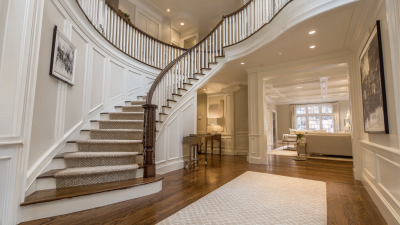
Wood railings bring warmth to an entryway, especially beside painted risers or a narrow runner. Oak and maple can be stained to match nearby floors, while a rounded handrail feels comfortable during daily use. Look closely at the joints and wall brackets; a beautiful finish cannot compensate for a loose connection. Small details matter.

Metal options, including steel and wrought iron, suit both modern and traditional interiors. Slim vertical balusters keep sightlines open, while curved patterns add visual weight. Metal can feel cool under the hand, though a wood rail paired with metal supports offers a softer touch. It is easy to focus on the balusters and overlook the grip.

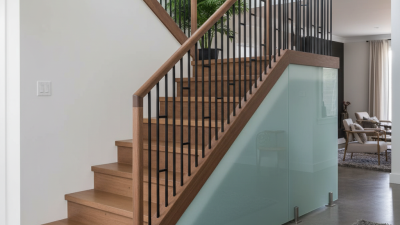
Glass panels create a bright, open appearance, particularly in compact stairwells. They need regular cleaning because fingerprints show quickly, and their mounting hardware should be chosen with the stair layout in mind. Styles vary from simple square posts to mixed-material designs. Before choosing, compare samples in the actual light; finishes can look different beside a window. Check local building requirements and have connections assessed for secure installation.

7 Best Indoor Stair Railings for Every Home: Common Railing Materials, Styles, and Design Features

Railing Option Common Materials and Style Visual Character Key Advantages Considerations Works Well In
1. Traditional Wood Hardwood or softwood handrail with wood posts and balusters; often painted, stained, or clear-finished. Warm, familiar, and adaptable, from simple square balusters to turned details. Comfortable to grip; can be refinished; available in many profiles and finishes. Finish may need periodic refreshing. Wood can be scratched or dented and may change with humidity. Traditional, farmhouse, cottage, and transitional interiors.
2. Wrought-Iron or Steel Balusters Metal balusters paired with a wood or metal handrail; straight, twisted, or patterned designs are common. Creates a defined, often decorative look while allowing views through the staircase. Metal balusters are strong and slim; many designs pair easily with wood treads and handrails. Decorative patterns may require more dusting. Check coatings and connections for wear over time. Traditional, industrial, and transitional homes seeking a mix of metal and wood.
3. Stainless-Steel Railing Stainless-steel posts, rails, or fittings; often designed with horizontal bars or a clean, simple profile. Sleek and structured, with a contemporary or industrial feel. Durable and easy to wipe clean; pairs well with wood, glass, and other modern finishes. Fingerprints can show on polished surfaces. The metal may feel cool and can show scratches. Modern interiors, lofts, and homes with other metal finishes.
4. Glass-Panel Railing Tempered safety-glass panels held by posts, clamps, or a supporting frame, with a handrail where required. Open and minimal; preserves sightlines and allows light to pass through. Can make a stair area feel more open; smooth panels have few narrow gaps to dust between. Shows fingerprints and smudges. Requires suitable glass, secure installation, and regular cleaning. Bright, contemporary spaces where maintaining an open view is a priority.
5. Cable Railing Metal posts with tensioned horizontal stainless-steel cables and a compatible handrail. Light, linear, and understated, with more visibility than many solid infill designs. Slender cables preserve sightlines and complement wood or metal stair components. Cables need correct tension and periodic inspection. Openings and spacing must meet applicable safety rules. Contemporary, coastal, and industrial-style interiors with an open-plan layout.
6. Painted Wood Railing Wood handrail, posts, and balusters finished with paint, commonly in white, black, or a contrasting color. Crisp and versatile; color can make the railing blend in or become a visual feature. Paint can coordinate with trim and walls; damaged areas can generally be repainted. High-contact areas may chip or scuff and need touch-ups. Surface preparation affects finish durability. Classic, cottage, farmhouse, and bright, neutral interiors.
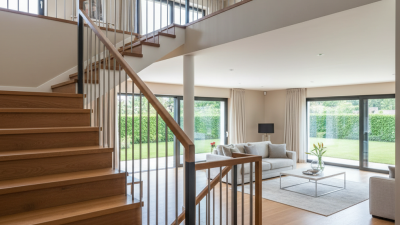
7. Mixed-Material Railing Combines materials such as a wood handrail with metal balusters, or metal framing with glass infill. Balances warmth with a lighter, more modern or tailored appearance. Offers flexibility in color, texture, and visual openness; can tie together finishes used elsewhere in a home. Different materials may need different cleaning and care. Connections and finish transitions should be planned carefully. Transitional homes and renovations combining traditional and contemporary details.

Seven Indoor Stair Railing Types for Different Homes

Seven indoor stair railing types suit different homes. Wood feels warm beneath the hand and pairs well with traditional interiors. Metal offers a slim profile for narrow stairwells. Glass keeps sightlines open, while cable railings create a lighter, contemporary look. Wrought iron adds decorative detail. Wall-mounted rails work where stairs lack space for posts. Mixed-material designs combine, for example, a timber handrail with metal balusters. Each choice has trade-offs. Glass shows fingerprints; open designs may not suit every household.

Tips: Check how the rail feels to grip, not just how it looks. Look for firm posts, smooth edges, and secure fixings. Measure carefully, and confirm local requirements for rail height and spacing before installation.

Safety deserves attention. The CDC reports that more than one in four U.S. adults aged 65 and older falls each year. That figure covers falls generally, not stair falls alone, but it highlights why dependable support matters. Choose a style that suits the stair’s shape, lighting, and daily users. No railing solves every layout. A beautiful design can still feel awkward if the handrail is difficult to reach.

How to Choose a Railing for Your Staircase and Interior

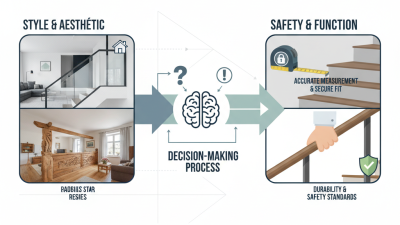
Choosing an indoor stair railing means balancing safety, comfort, and the character of your home. Start by measuring the staircase, including its width, the height of each step, and available wall space. Check that the handrail feels secure and easy to grip, especially where the stairs turn. Small details matter.

Wood can soften a traditional interior and feel warm under the hand, but its finish may show scratches in a busy household. Metal often suits narrow or contemporary staircases, though a dark finish can feel visually heavy in a dim hallway. Glass keeps sightlines open and lets daylight travel, but fingerprints and frequent cleaning come with the look. I’d question any choice based only on a showroom sample; home lighting can change the color more than expected.

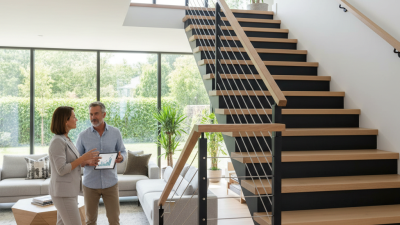
Think about who uses the stairs each day. Children, older adults, or anyone carrying laundry may benefit from a continuous, comfortable handrail and fewer awkward gaps. Match the railing’s shape and finish to nearby flooring, trim, and door hardware without forcing an exact match. Before installation, confirm that the design can be anchored securely to your stair structure. Local requirements differ, so have a qualified installer check the plan. It’s easy to overlook.

Installation, Maintenance, and Everyday Safety Considerations

A secure indoor stair railing begins with its fixing, not its finish. Anchor brackets into framing or solid blocking; drywall alone may loosen under repeated pressure. Keep the rail continuous where possible, with a profile that feels comfortable in a closed hand. Follow local requirements for height, clearance, and returns, since rules can vary. A smooth, attractive rail is not automatically a safe one.

The CDC’s 2024 report on falls among U.S. adults aged 65 and older found that 27.8% reported falling during 2020–2021. That figure makes routine checks worth the few minutes they take. Hold the rail and test for movement. No wobble is acceptable. Look for loose screws, cracked brackets, splinters, and slick spots where hands naturally grip. Wipe away dust and polish residue; these can make a smooth surface slippery. Check stair lighting too, especially near the top and bottom steps. Small checks matter. It is easy to focus on the railing and overlook a burned-out bulb or a loose runner. Those details deserve attention, even when the rail itself looks sound.

Indoor Stair Safety: Key Residential Dimensions

Typical U.S. IRC-based stair dimensions, in inches. The bars show code thresholds—not comparative ratings.

Typical IRC guidance: handrails are 34–38 inches above stair nosings; stair risers are no more than 7¾ inches; treads are at least 10 inches deep; and guards are generally at least 36 inches high in one- and two-family homes. Requirements and exceptions vary by code edition and location—check local regulations before installation.

This website uses cookies to ensure you get the best experience. By continuing to browse on this website, you accept the use of cookies for the above purposes.