Best Porch Columns for Your Home What to Consider?
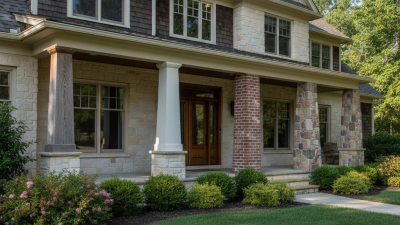
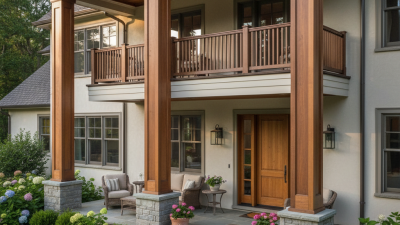
Choosing the right porch columns for your home can transform your outdoor space. According to renowned architect Sarah Jennings, "Porch columns are not just structural; they define the character of your home." Their design, material, and finish play crucial roles in achieving your desired aesthetic.
When considering porch columns, think about their function and style. Columns can be crafted from wood, fiberglass, or stone. Each material provides unique benefits in terms of durability and maintenance. A clean, classic design may suit traditional homes, while sleek, modern columns can enhance contemporary architecture. However, selecting the perfect column is not always straightforward.
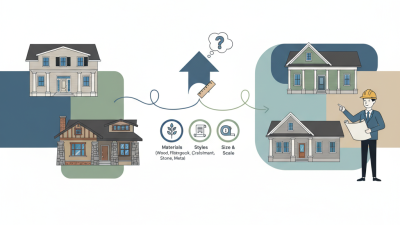
Balancing elegance and functionality is key. Consider the proportions of your porch and overall house design. Columns that are too thin may lack presence, while oversized columns can overwhelm the space. It’s essential to visualize how these elements will coexist. Remember, your porch columns should reflect your style while ensuring safety and stability. Reflecting on your choices will lead to a space you love.
Types of Porch Columns Available for Homeowners
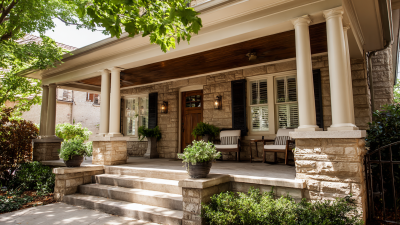
When choosing porch columns, homeowners have several types to consider. Each type brings a unique aesthetic and function. Wood columns offer a classic, warm look. They can be painted or stained. However, they require regular maintenance. Wood is prone to weather damage, posing challenges over time.
Fiberglass columns are another popular choice. They mimic the look of wood but are more durable and resist rot and insects. Fiberglass also requires less upkeep. However, some may find them less authentic in appearance compared to wood.
Concrete columns provide excellent structural support and can withstand harsh conditions. Yet, they often lack the elegant appeal of other materials.
Metal columns are also available. They offer a modern touch and high durability. However, rust can become an issue if not treated properly. Homeowners should consider their environment before making a decision. Visual style, maintenance needs, and longevity all play a role. An informed choice can enhance your porch significantly.
Materials Used in Porch Column Construction
When choosing porch columns, materials play a significant role. Common materials include wood, fiberglass, and aluminum. Each has unique properties that influence durability and aesthetics. Wood offers warmth and natural beauty but requires regular maintenance. Fiberglass is lightweight and resistant to weather, making it a practical choice. Aluminum is sturdy and often used for modern designs, though it may lack the charm of traditional wood.
Tips: Consider local climate conditions when selecting your material. For humid areas, fiberglass may resist rot better than wood. For homes in a wetter environment, opt for aluminum to avoid rust.
Appearance matters as well. The texture and finish of these materials can dramatically change the look of your home. Wood columns can be painted or stained, ensuring a perfect match with your home’s style. Fiberglass and aluminum can also be customized but may occasionally feel less authentic.
Each material comes with its pros and cons. While wood provides a classic look, it needs upkeep. Choose fiberglass for low maintenance but reflect on its uniformity. Think about your home's exterior and what aligns best with your vision.
Factors Influencing the Height and Width of Porch Columns
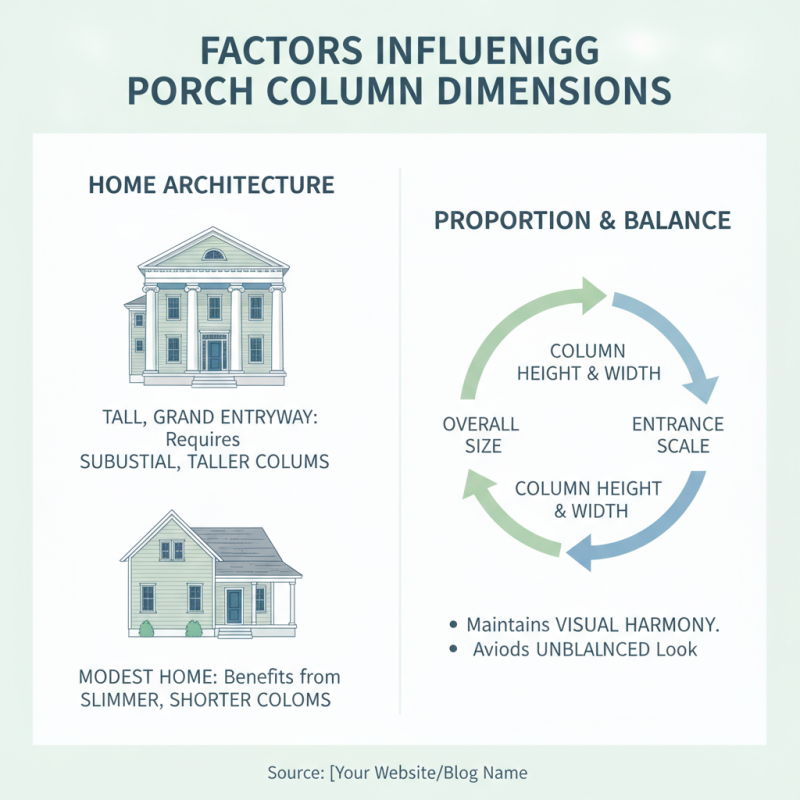
When selecting porch columns, consider several vital factors that influence their height and width. The overall architecture of your home plays a significant role. A tall, grand entryway often needs more substantial columns to maintain balance. Conversely, a modest home may benefit from slimmer columns that blend into the façade.
Local building codes can dictate dimensions too. It’s essential to check regulations to ensure safety and compliance. Additionally, consider the surrounding landscape. Wider columns might obstruct views in tight spaces, while narrow options might seem lost against expansive scenery.
**Tip:** Measure your porch before making any decisions. This helps in visualizing how different column sizes will look.
Climate can also affect your choice of materials and sizing. For areas with heavy winds or snow, sturdier columns are necessary. Reflect on your local weather conditions when choosing dimensions.
**Tip:** Use mock-ups or visual aids. This can aid in understanding the right proportions before installation.
Lastly, personal preference matters. Some homeowners prefer ornate designs, while others lean towards clean lines. Be open to re-evaluating your choices as you reflect on your home's character.
Design Styles of Porch Columns to Complement Your Home
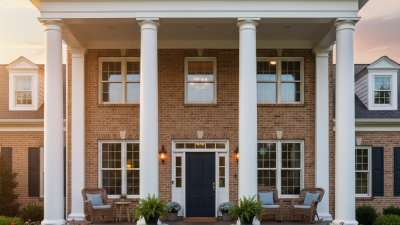
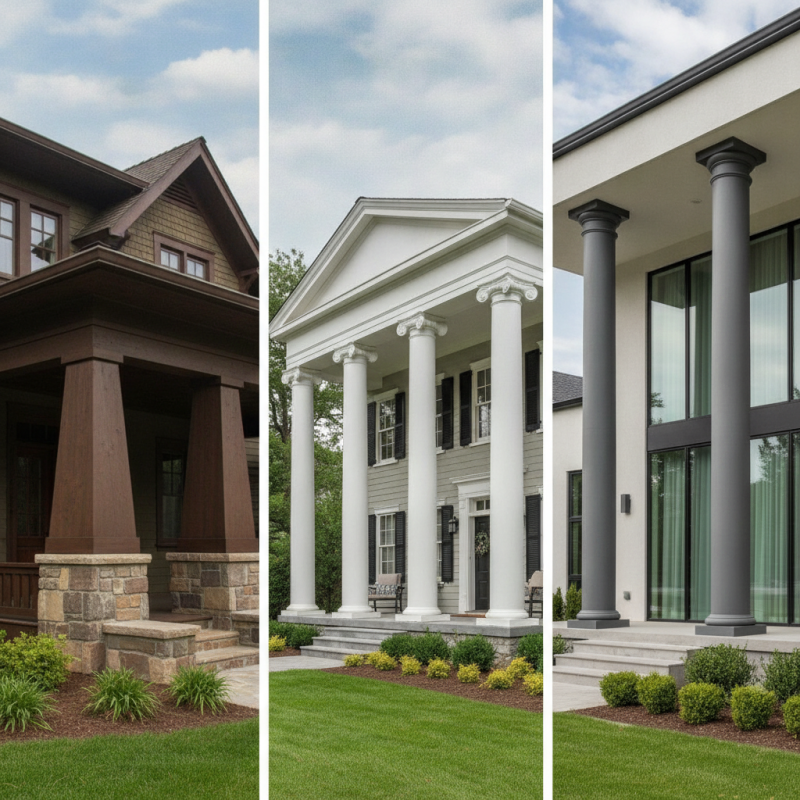
When considering porch columns, design styles play a crucial role. Traditional columns often feature classic fluted designs that add elegance to Colonial-style homes. According to the American Institute of Architects, traditional designs remain popular, accounting for 40% of new home builds. These columns enhance structure and aesthetic appeal, creating a seamless blend of functionality and beauty.
On the other hand, modern styles emphasize clean lines and minimalism. They offer a stark contrast to traditional options, appealing to contemporary homeowners. A report by the National Association of Home Builders indicated that about 30% of new homeowners prefer modern aesthetics. These columns can come in materials such as aluminum or fiberglass, which provide durability alongside a sleek look.
There are also farmhouse and coastal styles, each with their unique charm. Farmhouse columns often showcase rustic, weathered finishes that evoke a cozy feel. Coastal columns, typically white and airy, capitalize on natural light. Yet, the choice of style can be challenging. Homeowners must consider their overall architecture. A mismatch can detract from the landscape. Thus, evaluating design compatibility is essential for enhancing curb appeal.
Best Porch Columns for Your Home: What to Consider?
| Column Style |
Material |
Design Aesthetic |
Durability |
Cost Range |
| Classic Colonial |
Wood |
Traditional |
High |
$100 - $300 |
| Modern Square |
Fiberglass |
Contemporary |
Very High |
$200 - $500 |
| Victorian Fluted |
PVC |
Victorian |
Medium |
$150 - $400 |
| Rustic Round |
Cedar |
Rustic |
High |
$120 - $350 |
| Craftsman Style |
Composite |
Craftsman |
High |
$180 - $450 |
Maintenance Tips for Keeping Porch Columns in Great Condition
Maintaining porch columns is essential for both aesthetics and structural integrity. Regular care can extend the life of your columns significantly. According to the National Association of Home Builders, properties with well-maintained exteriors can see a return on investment of up to 80% upon resale. This emphasizes the importance of upkeep as part of home value retention.
To keep your porch columns in great condition, start with routine inspections. Check for signs of wear or damage, such as cracks or rotting wood. If you notice any issues, address them promptly. For wood columns, consider sealing them annually to protect against moisture. This simple task can prevent extensive damage and ensure longevity.
Another tip is to clean your columns regularly. Dust, dirt, and mildew can accumulate, leading to deterioration. A soft brush and mild soap solution work well for most materials. For painted columns, touch up paint as needed to prevent peeling and to maintain aesthetics. Remember, neglecting small details can lead to larger problems over time. Take time to inspect and care for your columns. It's worth the effort in the long run.
Best Porch Columns for Your Home
This chart illustrates the maintenance considerations for different types of porch columns, focusing on common materials such as wood, fiberglass, and aluminum. The maintenance frequency (in months) required for each material is represented in the bar chart below.