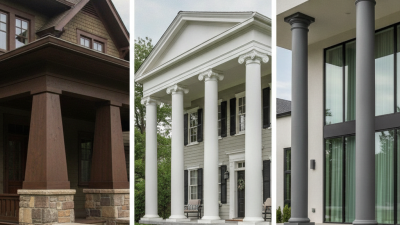
How to Choose the Best Porch Columns for Your Home?
Choosing the right porch columns is essential for enhancing your home's curb appeal and structural integrity. According to the American Architectural Manufacturers Association, porch columns can significantly influence property aesthetics and even increase home values by up to 10%. Many homeowners underestimate their importance, often opting for the cheapest options instead of considering durability and design.
Porch columns come in various materials, including wood, fiberglass, and aluminum. Each material offers unique benefits and drawbacks. For example, wood columns provide traditional charm but may require more maintenance. On the other hand, fiberglass columns are known for their durability and low maintenance requirements. Yet, some may find them lacking the authentic feel of wood.
It’s crucial to reflect on your home’s style and the materials that complement it. The right choice may not be obvious, and selecting unsuitable porch columns can detract from your home’s character. Taking time to research and evaluate options will ensure that you invest wisely in this significant element of your home's architecture.
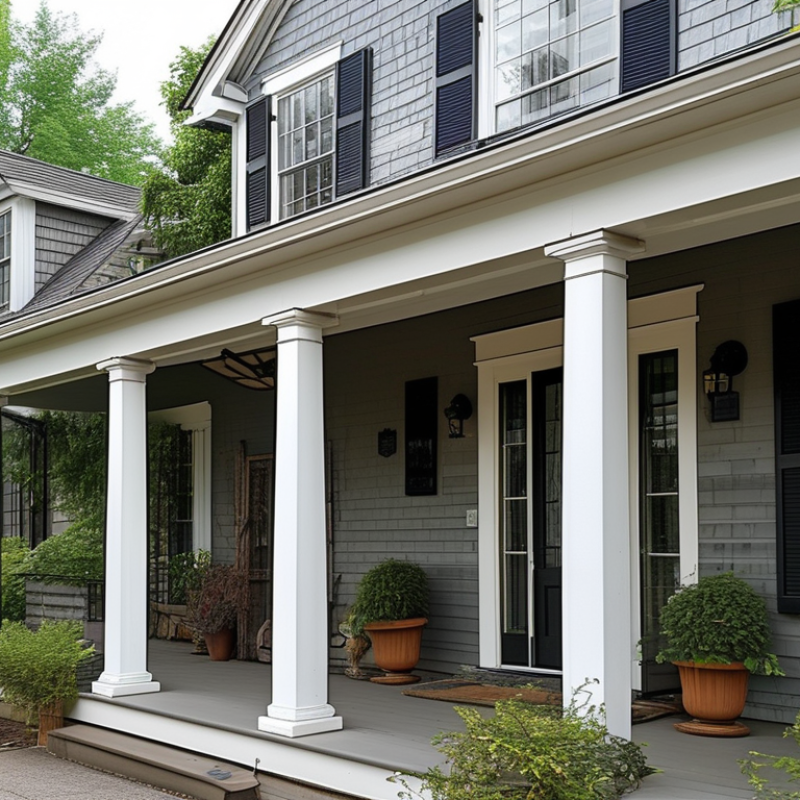
Understanding Different Types of Porch Columns and Their Materials
Porch columns come in various types and materials, each offering unique benefits.
Wooden columns are classic and can add warmth to your porch.
They need regular maintenance to prevent rot or pests. If you're looking for a traditional aesthetic, wood may be your choice.
However, the upkeep can be labor-intensive.
On the other hand, vinyl columns are a popular option for modern homes.
They are lightweight and resistant to weather. With minimal maintenance, they can last for years.
Some might find them less visually appealing compared to wood. Nonetheless, their durability can outweigh any aesthetic concerns.
Fiberglass columns are another viable choice.
They mimic the look of wood while offering superior strength. These columns can withstand severe weather better than most materials.
However, they can be pricey and may not fit every budget. Understanding your priorities will guide you in selecting the right column for your home.
Consider how much time you want to invest in maintenance.
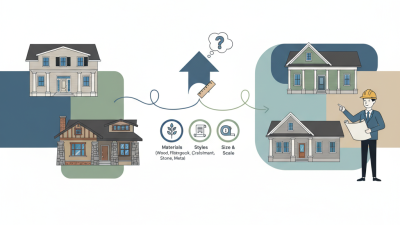
Evaluating Aesthetic and Architectural Styles for Your Home
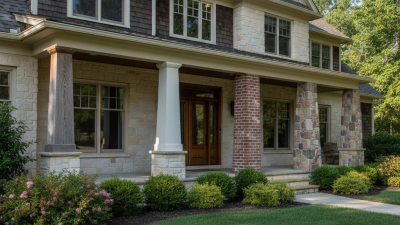
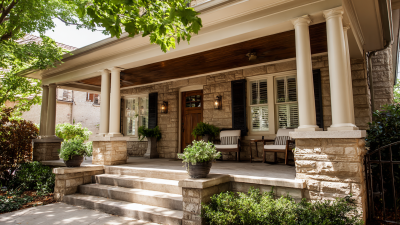
When choosing porch columns, aesthetic and architectural styles are crucial factors. Consider how the column style complements your home’s design. For example, traditional homes may benefit from classic tapered columns, while modern designs can embrace sleek, straight lines. According to a recent report by the American Institute of Architects, about 67% of homeowners prioritize visual harmony when selecting exterior elements.
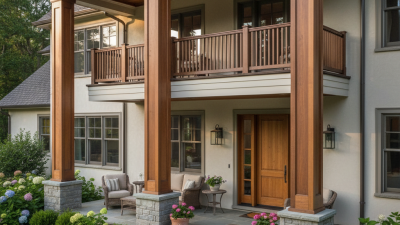
Moreover, the material of the columns greatly influences both style and durability. Wood, fiberglass, and metal each offer distinct aesthetics. Wood gives a warm, timeless look, while fiberglass can mimic wood but requires less maintenance. Data from Remodeling Magazine indicates that 49% of homeowners prefer low-maintenance solutions. Balancing appearance with functionality is important, yet many overlook considerations like weather resistance and upkeep.
It’s also worth reflecting on proportions. Large columns can overwhelm small porches, while thin columns may feel fragile on grand entries. A design misstep could detract from your home’s overall appeal. Ultimately, your choice should not only fit the architectural style but also reflect your personal aesthetic. Evaluating these aspects thoroughly ensures a cohesive look that enhances curb appeal.
Measuring and Planning for Proper Column Placement and Size
Measuring and planning for porch column placement involves careful consideration. Start by assessing your porch's dimensions. This includes width, height, and depth. Measure the space where the columns will be installed. Write down these measurements. Accurate data is crucial for a successful installation.
Consider the style of your home. Traditional homes may benefit from sturdy, classic columns. Modern homes might look better with sleek designs. The height and width of your columns should complement your porch's structure. If columns are too tall or wide, they can overwhelm the space. Too small, and they may look out of place.
Visualize the finished look before committing. Use tape to outline where the columns will stand. Stand back and observe. This can help you see if the planned dimensions work. Reflect on how different styles or sizes impact your porch's appeal. Adjust as needed. Planning ahead ensures your porch will be both functional and inviting.
How to Choose the Best Porch Columns for Your Home? - Measuring and Planning for Proper Column Placement and Size
| Column Material |
Height (ft) |
Diameter (in) |
Weight (lbs) |
| PVC |
8 |
6 |
15 |
| Fiberglass |
10 |
8 |
25 |
| Wood |
9 |
7 |
20 |
| Steel |
12 |
5 |
30 |
| Aluminum |
10 |
6 |
22 |
Considering Climate and Maintenance Needs When Choosing Columns
When choosing porch columns, climate plays a crucial role in the decision. In areas with heavy snowfall, wood columns may swell. Vinyl or fiberglass options resist moisture better. According to a study by the American Institute of Architects, homes in humid climates benefit from materials that resist rot and mildew. These factors influence durability and appearance over time.
Maintenance needs also dictate column selection. Pressure-treated wood requires regular sealing to prevent decay. Conversely, fiberglass and vinyl offer low-maintenance options. The National Association of Home Builders reports that homeowners spend 2-4% of their property value on maintenance. By opting for low-maintenance materials, you can reduce ongoing costs.
It's essential to consider installation as well. Some materials may require specialized tools or expertise. While wood can be easier to work with, it demands more upkeep. Evaluating both your skill level and the local climate is vital. This reflection may prevent future headaches. Ultimately, the right choice reflects both function and style.
Budgeting for Porch Columns: Costs and Installation Considerations
When considering porch columns, budgeting is crucial. The cost can vary widely based on materials and design. Wooden columns tend to be more affordable but require regular maintenance. Composite and fiberglass columns might have a higher upfront cost but offer durability and low upkeep. Always factor in installation expenses too, which can significantly impact your overall budget.
Installation can be tricky. It's important to consider whether you will hire a professional or do it yourself. Hiring a contractor ensures the job is done correctly but adds to expenses. DIY installation can save money, but mistakes could lead to additional costs later. Always measure your space accurately to avoid purchasing the wrong size columns.
Keep in mind the long-term implications of your choices. Cheaper materials may deteriorate quickly, necessitating replacements sooner than expected. Balancing cost with quality is essential. Think about the style that best fits your home’s architecture. A mismatch could detract from your property's appeal, which is not an easy fix. Planning and transparency in budgeting will lead to satisfying results.