What are Porch Columns and How to Choose the Right Ones?
When it comes to enhancing the aesthetic and structural integrity of a home, porch columns play a pivotal role. Renowned architect John Smith emphasizes, "Choosing the right porch columns can elevate your home’s curb appeal and support its design." These features not only provide essential support but can also make a bold statement.
Selecting the appropriate porch columns involves careful consideration of style, material, and size. For example, wooden columns deliver a warm, classic look while fiberglass options offer durability and less maintenance. However, not every material suits every home style, and mismatches may detract from your overall design.
Investing time in research is crucial. Understanding your home's architecture and surrounding landscape will guide your choices. Homeowners often overlook how poorly chosen porch columns can undermine the beauty of their property. Reflecting on your needs and aesthetics will lead to a more satisfying decision.
Understanding the Basics of Porch Columns and Their Purpose
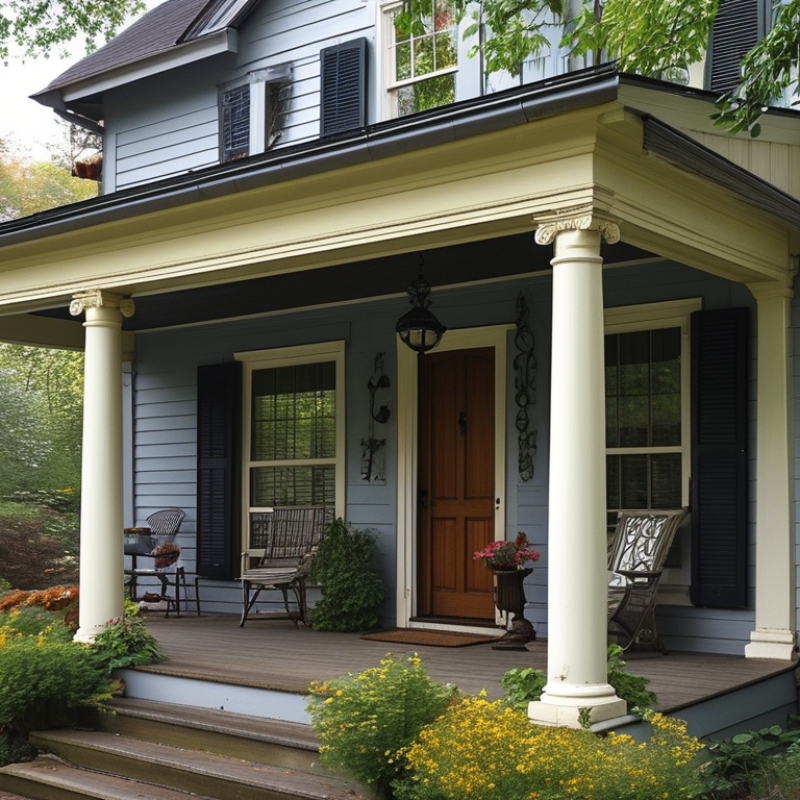
Porch columns serve both functional and aesthetic purposes. They support roofs and canopies while enhancing the visual appeal of a home. These upright structures come in various styles, materials, and sizes, making them adaptable to different architectural designs. Understanding the basics of porch columns is essential, especially if you're considering home improvements or new construction.
When choosing the right porch columns, consider the material carefully. Wood, fiberglass, and stone are common options, each with unique characteristics. Wooden columns convey a classic look but may require more maintenance. Fiberglass offers durability and can mimic other materials. Stone provides strength and elegance but may come with a higher price tag. Think about the climate as well. Weather conditions can impact your column's longevity and appearance.
Design and proportions matter significantly. Overly thick columns can overshadow a subtle entrance. Conversely, thin columns may fail to adequately support larger structures. Observe existing patterns in your neighborhood. This can guide you toward a design that harmonizes with your surroundings. It is often helpful to consult a design professional, especially if you're uncertain about architectural integrity.
What are Porch Columns and How to Choose the Right Ones?
| Column Type |
Material |
Height |
Style |
Purpose |
| Square Columns |
Wood |
8 ft |
Traditional |
Support and Aesthetic |
| Round Columns |
Fiberglass |
10 ft |
Modern |
Support and Visual Interest |
| Decorative Columns |
PVC |
9 ft |
Classical |
Aesthetic Enhancement |
| Post-and-Beam Columns |
Steel |
12 ft |
Industrial |
Structural Support |
| Brick Columns |
Brick |
6 ft |
Rustic |
Support and Style |
Types of Porch Columns: Materials and Designs Explained
Porch columns serve both functional and aesthetic purposes. They support the structure above while enhancing curb appeal. When choosing columns, consider material options like wood, fiberglass, or stone. Each material offers different durability and design aesthetics. Wood provides classic charm but may require maintenance. Fiberglass is lightweight and weather-resistant, making it ideal for various climates. Stone, while durable, adds significant weight and may need professional installation.
Design plays a crucial role in selecting the right columns. Traditional columns often feature fluted designs or ornate capitals. Modern styles focus on clean lines and minimalist aspects. Decorative elements can elevate the overall look of your porch. Ensure that your columns complement the architectural style of your home. Choose sizes that proportionally fit your porch dimensions. Oversized columns may overwhelm a small entryway, while thin columns might look inadequate on a grand porch.
When selecting columns, think about maintenance and safety. Wooden columns might rot over time, needing regular checks. Check for stability if you’re in a windy area. An improperly installed column can lead to structural damage. Consider local climate impacts on your material choice. Ultimately, the right porch columns can significantly enhance both beauty and safety. Balancing aesthetics with practicality is crucial for a successful renovation.
Factors to Consider When Choosing Porch Columns
When selecting porch columns, several crucial factors come into play. Material choice is essential. Common options include wood, fiberglass, and aluminum. According to a recent industry survey, 45% of homeowners prefer the classic look of wood, while 30% opt for low-maintenance fiberglass. Each material has distinct durability and aesthetic qualities. Wood offers charm but requires regular upkeep. In contrast, fiberglass is weather-resistant and can mimic wood's appearance.
Design style is another key consideration. Architectural styles can greatly influence the look of the columns. If your home features a colonial style, classic round columns may be ideal. For a more modern aesthetic, square columns with minimalist lines can be a better fit. A detailed report by the National Association of Home Builders indicates that homes with cohesive designs tend to sell for 15% more than mismatched styles.
When selecting columns, think about load-bearing capabilities. Structural integrity matters, especially for larger porches. Consult with a structural engineer to ensure your choice can support the necessary weight.
Pay attention to height and proportion. Columns that are too short or too thick can disrupt the visual balance. Be cautious about trends; they can quickly become outdated. Involve a design professional when in doubt, as their expertise can guide you toward a timeless choice that enhances your home's appeal.
Porch Columns Material Comparison
Measuring and Assessing Porch Column Sizes for Your Home
Choosing the right porch column involves careful measurement and assessment. Standard porch columns typically range from 4 to 8 inches in diameter. However, aesthetics and structural requirements can affect this choice significantly. For instance, columns should generally be spaced at least 8 feet apart, ensuring they provide proper support while enhancing visual appeal.
When evaluating your home, consider the height of your porch. If your porch is elevated, taller columns are essential. Common heights for porch columns vary from 6 to 10 feet, depending on the design of your home. Those planning renovations often overlook the importance of matching column sizes to architectural styles. A recent industry report indicated that mismatched column sizes can detract from curb appeal, potentially lowering property values by up to 15%.
Additionally, consider the material of your columns. Wood offers a classic look but requires more maintenance than composite or fiberglass options. Although composite materials can feel less authentic, their durability may offer long-term savings. Homes with heavy traffic might see benefits from materials with higher resilience. Always evaluate your lifestyle and maintenance willingness when making your decisions.
Installation Tips for Your Selected Porch Columns
When choosing the right porch columns, installation is a key factor. Proper installation ensures their longevity and stability. Start by checking the ground condition. The surface should be level and sturdy to support the columns effectively. If the ground is uneven, consider adding a concrete base for extra support.
Pay close attention to the alignment of your columns. Utilize a level to ensure they stand straight. Misalignment can lead to structural issues later on. It’s also essential to adequately space the columns according to your design plans. Too much or too little space can disrupt the overall aesthetic.
Another point to consider is the use of the right fasteners. Make sure they are appropriate for the material of your columns. Some materials may require special screws or anchors to enhance stability. Ensure you follow specific guidelines based on the columns chosen. Regularly review your installation process to identify any potential issues. This careful approach will help you achieve a strong and beautiful entryway.