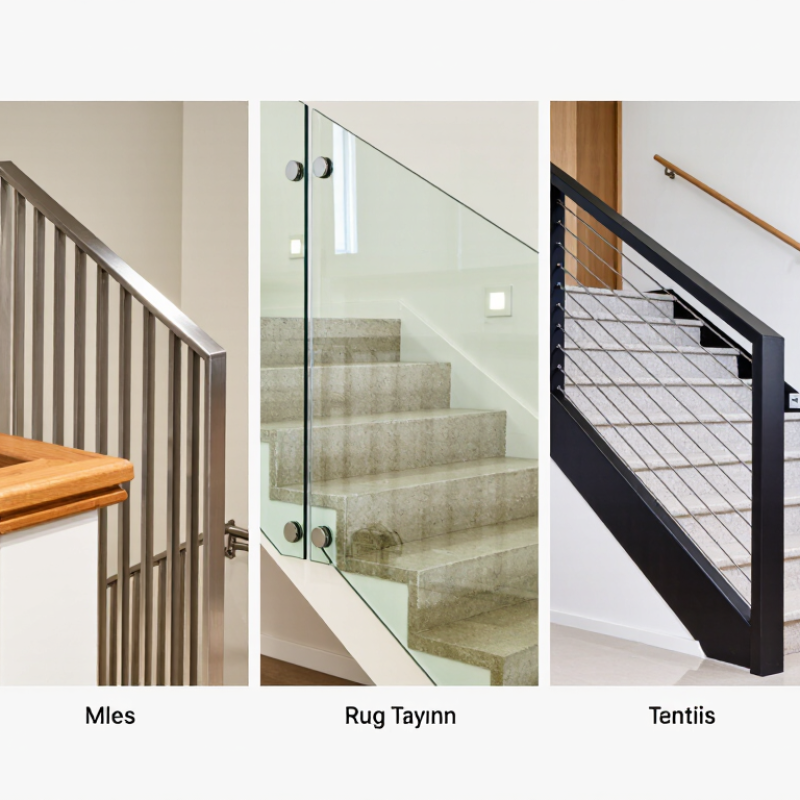
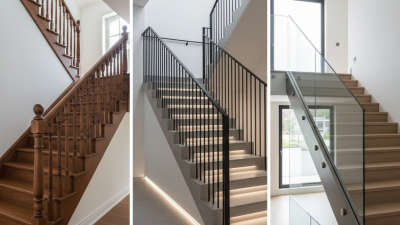
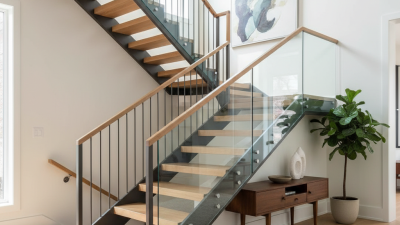
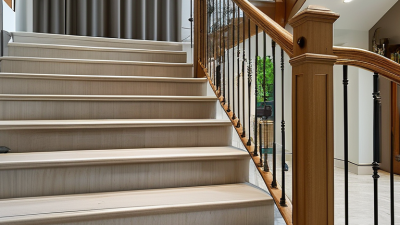
Choosing indoor stair railings in 2026 is not simply a matter of matching a staircase to a room. Global buyers must compare safety, material performance, design, installation, and long-term value. A polished showroom image can hide a weak grip, sharp edge, or awkward return. Small details matter. This guide examines wood, metal, glass, cable, and mixed-material railing systems for residential and commercial interiors. Each option creates a different experience under the hand and beside the stairs.
The evaluation considers practical issues that buyers often discover only after installation. These include stair width, mounting surfaces, humidity, cleaning needs, child safety, and available wall clearance. Solid oak may feel warm and secure, while stainless steel can suit humid interiors with less maintenance. Glass can open a narrow stairway visually, but it demands careful cleaning and professional fitting. Cable railings appear light and modern, although tension checks may be necessary over time. No single railing wins every home.
Reliable purchasing also depends on manufacturer documentation, tested load information, compatible hardware, warranty terms, and qualified installation. Local building requirements can differ widely, so buyers should confirm measurements and compliance with licensed professionals before ordering. Product photographs are useful, but they are not enough. A small sample, clear technical drawing, and written specification can prevent expensive mistakes. Even experienced buyers may overlook handrail height or fixing depth. That is worth reconsidering before purchase. The right choice balances comfort, safety, durability, visual character, and realistic maintenance expectations across different markets.
In 2026, indoor stair railings are moving toward safer, lighter, and more adaptable systems. Grand View Research estimates the global handrail market could grow at about 5% annually through 2030. Reported values differ by region and methodology. Buyers should verify local measurements, installation rules, and fire-safety requirements before ordering.
Wood remains popular for homes because it feels warm under the hand and suits traditional interiors. Metal offers slimmer profiles, stronger impact resistance, and easier cleaning in busy buildings. Glass can make a narrow staircase look wider, but fingerprints and careful fixing deserve attention.
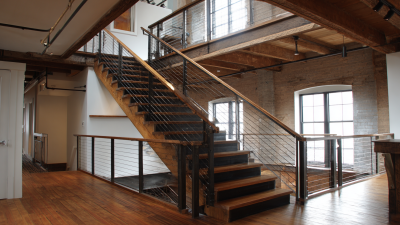
Cable systems create an open view, although tension checks may be needed after installation. Composite railings resist moisture and often reduce maintenance, yet their surface quality varies widely.
The International Code Council links stair safety to consistent handrail height, graspability, and continuity. These details matter more than appearance alone. In practice, I would inspect sample joints, edge finishing, and wall strength before comparing prices. Cheap fittings can create movement. That is not a minor defect. UN DESA projects that 68% of the world’s population may live in urban areas by 2050, increasing demand for compact interior circulation. Global buyers should also consider humidity, cleaning habits, shipping protection, and replacement access. A beautiful glass panel may arrive damaged. A composite profile may look less refined than expected. Testing small samples is imperfect, but it prevents expensive assumptions.
2026 Best Types of Indoor Stair Railings for Global Buyers
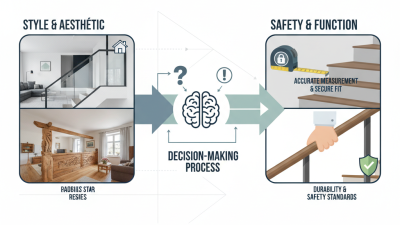
Indoor stair railings must balance appearance, comfort, and measurable safety. For many residential projects, handrails should sit 34–38 inches above the stair nosings. Measure vertically from the tread’s leading edge, not from the floor. This small difference can change the final height. Round or gently shaped rails usually provide a steadier grip, especially for children and older adults.
Baluster spacing also deserves careful attention. Keep openings below 4 inches where local regulations require this limit. A small test sphere can help identify unsafe gaps during installation. Leave at least 1.5 inches of clearance between the handrail and the wall, allowing fingers to pass comfortably. Clearance can shrink near brackets or decorative posts. That detail is often missed. A clean drawing may still fail on site because walls, trim, and stair angles are rarely perfect. Always confirm dimensions with the applicable building authority before ordering materials.
Tips: Use a tape measure, level, and test sphere during inspection. Mark the 34–38 inch handrail line on several steps, then check it from normal standing height. Choose moisture-resistant finishes for poorly ventilated areas, but avoid slippery surfaces. If the railing feels awkward, stop and review the design. Comfort matters too. A qualified installer should verify fixing strength, post alignment, and local code requirements. Rules differ between countries and even between municipalities, so online measurements are only a starting point.
2026 Best Types of Indoor Stair Railings for Global Buyers
Stainless steel offers a clean profile and strong resistance to daily impact. Grade 304 suits most dry indoor spaces, including homes and offices. Grade 316 performs better near coastlines or humid interiors. Its molybdenum content improves resistance to chlorides and surface staining. Brushed finishes hide fingerprints better than mirror polishing. However, poor welding can create weak points and visible discoloration.
Tempered glass keeps stairways visually open and brings more daylight between floors. It should have polished edges, consistent thickness, and correctly designed clamps. If broken, tempered glass usually granulates into small pieces, reducing sharp shards. Timber adds warmth under the hand and softens modern interiors. Dense hardwood can last for decades when sealed properly. Moisture remains a concern. Small cracks may grow around screw holes.
Tips: Ask suppliers for material certificates, glass test reports, and installation tolerances. Check whether stainless steel is genuinely 304 or 316, not simply described as “premium.” Inspect timber samples under strong light. Color variation is natural, but excessive warping signals poor storage. A railing can look excellent in photographs and still feel unstable onsite. Allow time for a physical inspection. My own preference has changed after seeing elegant railings fail because of weak anchors. Design matters, but installation accuracy matters more.
| Material / System | Typical Indoor Application | Key Material Specification | Corrosion, Moisture & Durability Performance | Strength / Safety Considerations | Maintenance Requirement | Relative Cost | Best Fit for Global Buyers |
|---|---|---|---|---|---|---|---|
| Stainless Steel 304 | Handrails, balusters, posts and cable-railing frames in dry indoor areas. | Typical composition: approximately 18% chromium and 8% nickel; commonly supplied in annealed or cold-worked condition. | Good indoor resistance Suitable for normal residential and commercial interiors. Chloride-rich air, coastal locations and cleaning chemicals can cause staining or pitting. |
High strength-to-weight ratio and good impact resistance. Final performance depends on tube wall thickness, post spacing, anchors and engineered connections. | Wipe with a soft cloth and neutral detergent. Avoid chloride bleach, abrasive pads and carbon-steel contamination. | Medium | Cost-conscious projects in dry inland or climate-controlled environments. |
| Stainless Steel 316 / 316L | Premium handrails, glass clamps, posts and fittings; appropriate for humid, coastal or pool-adjacent interiors. | Contains molybdenum, typically around 2–3%, which improves resistance to chloride-induced pitting compared with 304. 316L has lower carbon content for improved weld corrosion resistance. | Very good indoor resistance Better suited to humidity, salt-laden air and frequent cleaning than 304, although it is not completely corrosion-proof. |
Comparable structural performance to 304 when the same product form and design thickness are used. Connections and weld finishing remain critical. | Periodic cleaning with clean water and a neutral detergent. Remove salt or chemical deposits promptly. | Medium–High | Global projects where environmental conditions are uncertain or humidity and salt exposure are expected. |
| Duplex Stainless Steel 2205 | Specialist railing components where high strength and strong chloride resistance are required. | Duplex austenitic-ferritic stainless steel; typical yield strength is substantially higher than common 304/316 products, subject to product form and specification. | Excellent resistance Strong resistance to pitting and stress-corrosion cracking, but usually excessive for ordinary dry indoor staircases. |
High strength can permit efficient sections, but fabrication, welding procedure and surface finishing require qualified specialists. | Low routine maintenance; use compatible tools and cleaners to prevent surface contamination. | High | High-end, high-humidity or unusually demanding projects where lifecycle performance justifies the premium. |
| Clear Tempered Glass | Frameless balustrades, glass infill panels and open stair guards for a light, contemporary appearance. | Common nominal thicknesses include 10 mm and 12 mm, but the correct thickness must be calculated from panel size, support type and applicable local code. | Moisture-stable Does not rust and is unaffected by ordinary indoor humidity. Edges and drilled holes are vulnerable before installation and must be protected. |
Heat-treated glass has increased bending strength and breaks into smaller granules than annealed glass. It cannot be cut or drilled after tempering; a broken panel must be replaced. | Clean with a non-abrasive glass cleaner. Inspect edges, clamps, channels and seals for chips, loosening or movement. | Medium–High | Modern interiors requiring transparency, daylight flow and visual openness. |
| Laminated Tempered Glass | Higher-safety balustrades, commercial staircases and installations where post-breakage retention is important. | Two tempered glass plies bonded with an interlayer, such as a clear structural polymer. Typical configurations may include 5+5 mm or 6+6 mm, subject to engineering design. | High moisture stability Interlayer selection matters in humid, hot or exposed conditions. Edge protection and correct sealing reduce the risk of delamination. |
Combines tempered-glass strength with improved retention after breakage. Must be designed and tested as a complete glass, fixing and support system. | Clean glass surfaces routinely and keep water from remaining at exposed edges. Replace panels showing delamination, cracks or severe edge damage. | High | Public buildings, premium homes and projects prioritising post-breakage safety. |
| European Oak Timber | Traditional handrails, newel posts, stair guards and wood-and-metal combinations. | Dense hardwood with good wear resistance. Heartwood is commonly classified as durability Class 2 under EN 350 for biological durability against wood-destroying fungi. | Good with stable indoor climate Can move, split or discolor when exposed to rapid humidity changes. Protective coating is recommended near entrances and unconditioned spaces. |
Good stiffness and screw-holding performance. Grain direction, knots, joint design and moisture content affect the final result. | Dust regularly; refresh oil or coating according to wear. Keep indoor relative humidity reasonably stable, generally around 40–60% where practical. | Medium–High | Projects seeking a durable, widely available timber with a distinctive grain. |
| Ash Timber | Painted or clear-finished handrails and shaped components where machining and shock resistance are valued. | Hardwood with good workability and resilience. Ash heartwood is commonly rated durability Class 5 under EN 350, so it relies on a dry indoor environment and surface protection. | Moderate indoors Performs well when kept dry, but is less naturally decay-resistant than oak or teak if moisture enters the system. |
Good impact resistance and machining properties. Select straight, well-seasoned material and avoid weak joints near concentrated loads. | Use a durable clear finish or paint system. Repair worn areas before moisture reaches the wood. | Medium | Dry indoor projects requiring a cost-effective, light-coloured hardwood. |
| American Walnut Timber | Decorative handrails and premium residential interiors where colour and grain are major design priorities. | Moderately dense hardwood. Walnut heartwood is commonly described as moderately durable, with EN 350 classifications varying by species and source. | Good in dry interiors Stable when properly dried, but prolonged moisture can cause staining, swelling and finish failure. |
Good dimensional stability and workability. Dark colour can make scratches and surface wear more visible. | Use a compatible oil, lacquer or hardwax finish. Avoid prolonged exposure to direct sunlight where colour change is undesirable. | High | Premium interiors where appearance and tactile quality outweigh minimum purchase cost. |
| Teak Timber | High-end handrails and feature stair components in humid interiors, spa areas and luxury residential applications. | Naturally oily hardwood; teak heartwood is commonly classified as durability Class 1 under EN 350 for fungal durability. | Very good moisture tolerance More resistant to moisture-related deterioration than many common timbers, but indoor movement and surface checking can still occur. |
Good dimensional stability and wear resistance. Oily surfaces may require specialised preparation before bonding or finishing. | Clean with mild detergent. Choose a finish that is compatible with oily wood, or allow a natural patina where appropriate. | High | Humid interiors and premium projects that value natural moisture resistance. |
| Powder-Coated Carbon Steel | Painted handrails, decorative balusters and cost-sensitive stair structures in dry interiors. | Steel grade and coating system vary widely. The powder coating is a finish, not a substitute for sound corrosion protection or correct pretreatment. | Moderate indoors Good in dry, controlled environments. Scratches, cut edges and concealed moisture can initiate corrosion. |
High stiffness and broad fabrication options. Structural performance depends on section size, weld quality, anchors and protective coating continuity. | Inspect chips, welds and floor connections. Touch up damaged coating promptly using a compatible repair system. | Low–Medium | Budget-focused projects in dry indoor locations where colour customisation is important. |

Buyer note: Material performance is influenced by section size, support spacing, fasteners, fabrication quality, installation tolerances, indoor humidity, cleaning chemicals and local building regulations. Structural sizing, glass thickness and handrail height should be verified by a qualified professional against the requirements of the destination market.
For global buyers, indoor stair railing selection should begin with the building type, not the finish. In detached homes, sealed timber brings warmth and suits quiet, low-traffic interiors. Apartments and hotels need stronger systems, easier cleaning, and replaceable components. Healthcare and senior-living buildings benefit from continuous, graspable rails, visual contrast, and sometimes dual-height support.
The World Health Organization reports approximately 684,000 fatal falls worldwide each year. A railing is not merely decoration.
Stair geometry changes the practical choice. Straight stairs allow simple continuous rails, while L-shaped and U-shaped layouts need carefully aligned transitions. Spiral stairs demand extra attention because narrow treads and changing hand positions can reduce confidence. Local building codes control height, clearance, strength, and return details, so one global specification is risky.
Climate matters too. Coastal projects usually perform better with corrosion-resistant metal and sealed fixings. Dry interiors can cause timber movement and small joint gaps. Humid regions may expose weak coatings quickly. Glass looks refined, but fingerprints show easily.
Maintenance should be measured honestly. Brushed metal hides minor marks better than polished surfaces. Timber needs periodic inspection and refinishing. Glass requires frequent wiping, especially in hotels. The 2024 Houzz & Home Study indicates continued professional involvement in major renovation work, supporting specialist measurement and installation.
Still, reports do not replace site experience. I would not choose a beautiful profile before checking hand comfort, cleaning access, lighting, and replacement logistics. Small oversights become expensive later.
2026 Best Types of Indoor Stair Railings for Global Buyers
Indoor stair railings now combine safety, structure, and interior style. Wood feels warm, while steel offers a slim, durable profile. Glass opens narrow staircases visually, but needs careful cleaning and edge protection. Cable systems look modern, though their tension requires periodic inspection.
A global buyer should request documented 200-lb load ratings before comparing prices. The rating must apply to the complete railing assembly, not one isolated bracket. Local building codes may specify height, spacing, graspability, and wall clearances. Requirements differ between countries and even cities. Confirm them with a qualified local inspector or engineer. Installation also affects safety. Uneven floors, weak walls, and incorrect anchor depth can reduce real performance. A professional installer should check the substrate before drilling.
Tips: Ask for drawings, material grades, finish details, test documents, and replacement-part availability. Compare the total installed cost, including shipping, taxes, labor, tools, and future maintenance. Powder-coated metal may reduce upkeep, while wood can require refinishing in humid rooms. Glass often costs more because transport and fitting demand greater care. Do not accept a low quote without checking what it excludes. A 200-lb rating sounds reassuring, but it is only meaningful when the installation matches the tested design. Some purchasing checklists still miss this point. That deserves a second review.