How to Choose Sliding Door Hardware in 2026?

In 2026, choosing sliding door hardware is not just about a polished finish. The system must suit the door, room, and daily use. A heavy oak panel needs a track rated for its actual weight, while a bathroom door may need privacy and dependable soft-close action. Measure the opening, wall clearance, floor-guide position, and handle projection before comparing styles. Small details matter.

Industrial designer Dieter Rams offered a useful design principle: “Good design is as little design as possible.” Though not a sliding-door specialist, his words fit this choice: hardware should work quietly, feel secure, and avoid needless complexity. Look for clear load ratings, compatible track and hanger components, moisture-appropriate finishes, and installation guidance from the manufacturer. Ask how often the door will move, who will use it, and whether future adjustment is practical. A showroom glide can feel different after months of dust and daily use.

This guide explains how to compare track types, rollers, stops, guides, handles, and soft-close options in 2026. It also considers noise, cleaning access, installation limits, and maintenance. Specifications deserve more weight than attractive product photos. Still, paper ratings cannot reveal every rough spot; real site conditions can expose surprises. Check current manufacturer instructions and verify door dimensions before ordering. The right setup should glide smoothly, stay aligned, and suit the people using it every day.
How to Choose Sliding Door Hardware in 2026?

Identify the Sliding Door Type and Its Intended Use

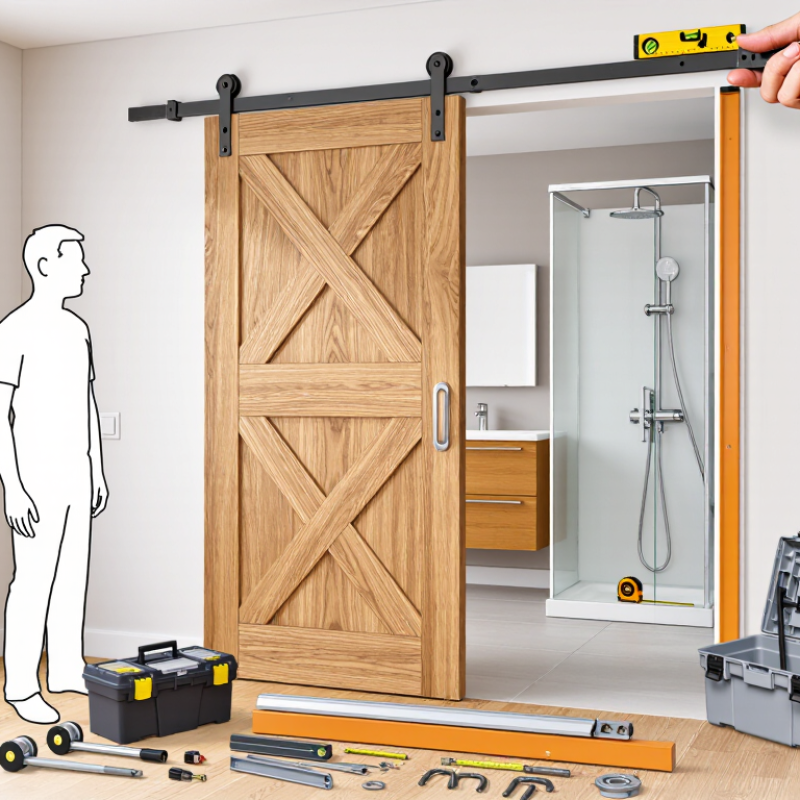
Identify how the door moves before comparing hardware. A bypass door uses overlapping panels on parallel tracks, often for closets or tight rooms. A pocket door slides into a wall cavity, so its frame and track must fit that concealed space. A barn-style door travels along an exposed track and needs clear wall space beside the opening. Folding doors have different pivots and guides. The look matters, but the movement determines the hardware.

Tips: Measure the panel’s width and height, and check its weight if known. Note the opening width, nearby trim, and available wall space. For a pocket door, confirm that the cavity is suitable before choosing a track. Small obstructions can change the plan.

Consider where the door will be used. A bathroom or bedroom may need privacy hardware, while a frequently used pantry door benefits from smooth, durable rollers. Exterior doors also need hardware suited to their exposure and panel weight. Check what the track attaches to; drywall alone may not provide adequate support.

I sometimes catch myself focusing on the handle first. That’s easy to do, but the wrong track or mounting setup can cause rubbing, noise, or poor alignment. If the panel weight or wall construction is uncertain, verify it before buying.
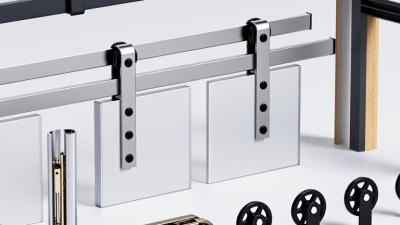
Measure the Door and Determine Its Weight Requirements

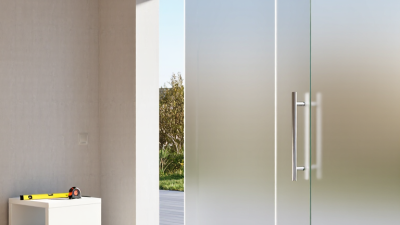
Measure the opening and the door itself, not just the old track. Record the panel’s width, height, thickness, and material. Check whether it has glass, metal fittings, or added panels. These details affect its final weight.

The USDA Forest Products Laboratory’s Wood Handbook reports wood-density data that vary by species and moisture content. At roughly 700 kg/m³, a solid oak panel measuring 36 by 80 by 1¾ inches would weigh about 128 pounds. That is substantial. The figure is an estimate, not a scale reading; real wood varies. Weigh the door when possible, including attached pulls and fittings.

Choose a track and hanger system whose documented load rating covers the measured door weight. Also confirm that the rating applies to the complete hardware arrangement, not one component alone. A heavier door can shift load across its hangers unevenly, especially if the panel is out of level. Measure twice. If the door is still being built, calculate its material volume and check the material’s density, then verify the finished panel on a scale. USDA Forest Products Laboratory, Wood Handbook: Wood as an Engineering Material, 2021.

How to Choose Sliding Door Hardware in 2026? Measure the Door and Determine Its Weight Requirements

Example door-weight readings shown in kilograms, with exact pound conversions (1 kg = 2.20462 lb).

How to use this chart: These are example readings, not typical door weights. Measure your door’s actual weight and dimensions. Choose hardware whose stated capacity meets or exceeds the door’s weight, and confirm track length and installation requirements with the hardware manufacturer.

Compare Track, Roller, and Operating-System Options

How to Choose Sliding Door Hardware in 2026?

Compare Track, Roller, and Operating-System Options

Choose the track around the door’s weight, travel, and installation surface. Top-hung tracks keep the floor clear, but require solid overhead support. Bottom-supported systems transfer weight to the floor and can suit openings where the header is limited. Check the track’s rated capacity against the complete door assembly, not just the panel. Measure twice.

Rollers determine how smoothly the door moves and how well it stays aligned. Larger wheels can spread loads across the track; sealed bearings may help in dusty or damp spaces. Match roller material to the track, and look for anti-jump guides and end stops.

A quiet showroom test can mislead. Test it loaded.

Grand View Research estimated the global sliding-doors market at US$12.73 billion in 2022, with projected annual growth of 5.6% through 2030. That market estimate signals broad demand, not a performance guarantee for any hardware set.

The operating system includes handles, locks, soft-close devices, and guides. For a heavy glass panel, confirm compatible clamps and safety stops before ordering. For a closet door, recessed pulls may prevent collisions with nearby furniture. Check whether the system allows later roller adjustment; floors and frames are not always perfectly level.

Small detail. Big consequence.

Compare the installation instructions with your wall framing and expected use, then ask a qualified installer to verify the load path.

Choose Hardware Materials for the Installation Environment

Sliding door hardware should suit the room, not just the door’s appearance. In a damp bathroom or near a coastal window, stainless steel or corrosion-resistant finishes can help limit rust. Dry interior spaces offer more flexibility, including coated steel or aluminum. For a heavy glass door, check that the track, hangers, and fasteners are rated for its weight. A strong-looking finish alone proves little.

Tips: Wipe hardware with a soft cloth after installation, especially in humid rooms. Check the manufacturer’s care instructions before using cleaners. Measure the door thickness and available wall clearance, too. Small mismatches can cause rubbing or uneven travel.

Dusty workshops and busy entryways need hardware that is easy to inspect and clean. Enclosed tracks can hide debris, while exposed tracks make buildup easier to spot. In practice, the “best” material depends on cleaning habits as much as climate. I still see people choose by color first; it looks right, until moisture or grit changes the experience. Consider replacement parts and mounting access before committing. A little extra checking now can prevent a door that catches every morning.

How to Choose Sliding Door Hardware in 2026? – Choose Hardware Materials for the Installation Environment

Installation Environment Material to Consider Why It May Suit the Environment Selection Checks Care and Limitations
Dry interior rooms, such as bedrooms and living areas Powder-coated or plated steel; aluminum for lighter-duty components These materials are commonly used for indoor tracks, brackets, and fittings where exposure to moisture is limited. Check the door weight rating, track compatibility, coating coverage, and whether the finish matches the other fittings. Keep tracks free of dust and debris. Chipped coatings can expose steel to moisture and may allow corrosion to develop.
Bathrooms, laundries, and other humid indoor spaces Stainless steel, with grade selected for the level of moisture; corrosion-resistant coated steel may suit some well-ventilated spaces Stainless steel generally offers better corrosion resistance than ordinary uncoated carbon steel in damp conditions. Check the stainless-steel grade and the material of every component, including fasteners, rollers, and brackets. Even stainless steel can stain or corrode in harsh conditions. Rinse away cleaning chemicals and dry surfaces when practical.
Covered exterior openings in inland areas Stainless steel or suitably protected steel; aluminum may be appropriate where loads and system design allow Outdoor hardware faces moisture and temperature changes; protective finishes or corrosion-resistant alloys can help extend service life. Confirm the hardware is specified for exterior use and that the finish and fasteners are compatible with the door and frame materials. Inspect regularly for coating damage, corrosion, and debris in the track. Covered locations still experience humidity and wind-driven rain.
Coastal areas or locations exposed to salt spray Marine-suitable stainless steel, often 316 where appropriate; compatible corrosion-resistant fasteners Grade 316 stainless steel contains molybdenum and generally resists chloride-related corrosion better than grade 304. Verify the stated alloy grade for all exposed parts. Consider exposure intensity, distance from the sea, and the manufacturer’s environmental rating. No stainless grade is completely maintenance-free in salt exposure. Periodic fresh-water rinsing and inspection can reduce salt buildup.
Heavy or frequently used sliding doors Material chosen as part of a load-rated system; steel or stainless-steel components are common for structural parts For heavy doors, load capacity, roller design, track strength, and fixing method matter more than material choice alone. Check the rated door weight, door dimensions, number of rollers, installation substrate, and whether the system is designed for the intended usage frequency. Do not assume a particular metal automatically supports a heavy door. Follow the system’s installation and maintenance requirements.
Decorative interior doors where appearance is a priority Brass, stainless steel, aluminum, or finished steel, depending on the desired look and exposure Different metals and finishes offer distinct colors and surface appearances for handles, pulls, and visible fittings. Check whether the finish is solid metal, plated, or coated, and confirm that replacement parts can be matched later. Finishes can wear with frequent contact or abrasive cleaning. Use care products suitable for the specific material and finish.

Selection note: Choose hardware for the actual exposure, door weight, and usage conditions. Material grade, finish quality, component compatibility, installation, and routine maintenance all affect durability.

Check Safety, Compatibility, and Installation Requirements

How to Choose Sliding Door Hardware in 2026?

Sliding door hardware must suit both the door and the space around it. Check the door’s weight, thickness, and material against the hardware’s stated limits. A solid wood panel may need a different track and fasteners than a lightweight interior door. Measure the opening, track length, and clearance above the door; even a small measurement error can leave the panel rubbing against the frame. Measure twice. Look for a door stop and an anti-jump feature that helps keep rollers from lifting off the track. For glass doors, use hardware specifically designed for the panel type and thickness. Don’t guess.

Installation conditions matter just as much. The track needs a firm, level mounting surface, with fasteners suited to the wall or header—not just the decorative trim. Check for studs or other solid backing before drilling, and confirm the floor is reasonably level so the door does not drift open. Read the supplied installation instructions before buying; required clearances and mounting methods vary. Keep fingers clear while testing the door, and check that stops prevent it from striking nearby walls. If the mounting surface, door weight, or fastening method is uncertain, ask a qualified installer to assess it. It is easy to focus on the finish and overlook the structure. I would, too, if I were in a hurry. Small details count.

This website uses cookies to ensure you get the best experience. By continuing to browse on this website, you accept the use of cookies for the above purposes.