What Are the Best Hand Rails for Stairs?
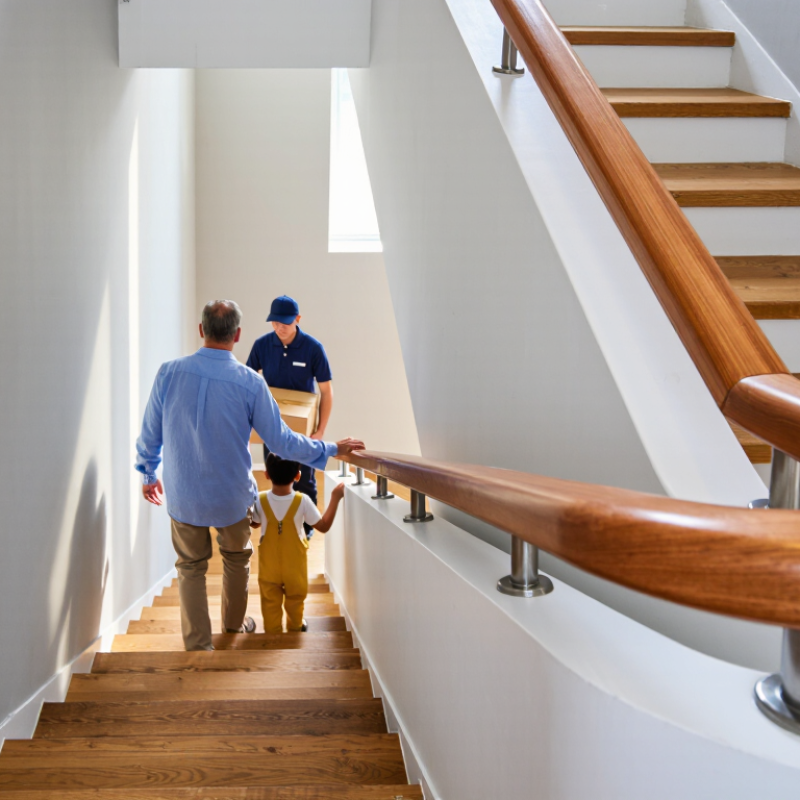
Choosing the best hand rails for stairs starts with the people who use them. A child’s small hand, an older adult’s steadying grip, and a delivery worker carrying a box all meet the same rail differently. John Templer, an architectural researcher known for studying stair hazards, offers a useful principle, paraphrased from his work: stair safety depends on how people move through a space, not simply how it looks. That distinction matters. A glossy rail can still feel awkward or insecure.
For many homes, a well-fitted handrail with a comfortable, easy-to-grip profile is a practical choice. It should feel firm under the palm, remain continuous along the stair run, and have secure fixings that do not wobble when pulled. Picture a narrow staircase with a smooth timber rail: it may suit the interior, but its finish, shape, and installation matter more than its color. Metal, wood, and composite options each bring different maintenance needs and tactile qualities. There is no universal winner.
Small details count. A cold metal surface may feel unpleasant in winter. A bulky profile may be harder for some hands to hold. And a beautiful rail can disappoint if brackets interrupt the grip. Check local building requirements, especially for rail height, extensions, and installation. These rules vary by location and stair type. When the staircase is steep, unusually shaped, or used by someone with mobility needs, ask a qualified installer to assess it. Measure twice. Then test the grip. A little uncertainty is healthy: the best hand rails for stairs are the ones that fit the actual users and the actual staircase, not just a product photo.
What Stair Handrails Are and How They Support Safe Movement
A stair handrail is a graspable support fixed beside a stairway. It gives people a steady point of contact while they climb or descend, especially when balance feels uncertain. A useful rail is easy to reach and comfortable to hold, with enough clearance for fingers to wrap around it. Smooth, rounded edges can feel gentler on the hand than sharp corners. It should also remain firm when someone leans on it. A loose rail can create false confidence. That detail matters.
Safe movement depends on more than the rail itself. A continuous, unobstructed grip helps people maintain support from one step to the next, while secure mounting reduces wobble. Position should suit the stair layout and the people using it; children, older adults, and anyone with limited mobility may have different needs. Good lighting and clear, dry steps matter too. A handrail cannot fix every hazard. I have seen a well-shaped rail feel awkward when it sits too far from the natural reach, so checking the fit in place is worthwhile. Local building guidance can help determine suitable placement and installation.
How Building Codes Shape Stair Handrail Requirements
Building codes shape stair handrails long before anyone chooses a finish.
They may specify the rail’s height, how far it must sit from the wall, and whether people can grip it securely. Exact measurements vary by location, building type, and the code edition adopted by the local authority. A rail that looks sturdy may still miss a clearance or height requirement. That distinction matters. Handrails support a person’s grip; guards help prevent falls from open edges, and one feature does not always replace the other.
Rules can also address continuity, extensions at stair ends, and returns that prevent clothing from catching. Some stairs require rails on both sides, while others may not. Check the requirements for the specific project before cutting or mounting anything. A tape measure helps, but it cannot tell you which local rules apply. Ask the building department or a qualified inspector to confirm the applicable code and permit requirements. Then test the proposed position: can someone hold the rail comfortably while climbing, and does it remain reachable near the top and bottom steps? The code is a minimum, not always a perfect fit for every user. Small details count. A careful check can prevent costly changes after installation.
Common Handrail Designs and Their Practical Uses
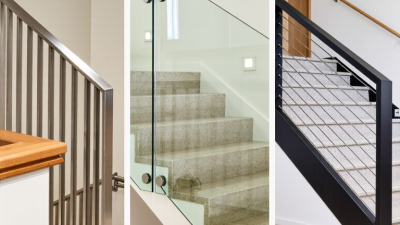
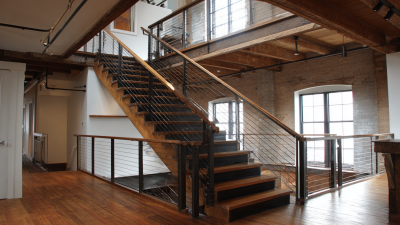
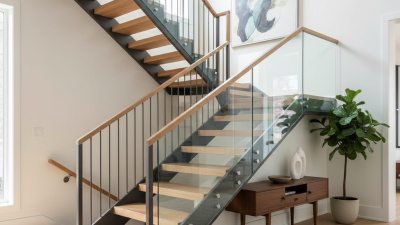
Common stair handrails include wall-mounted rails, open balustrade rails, and rails fixed on both sides. Wall-mounted designs suit narrow staircases because they leave more walking space. A rounded timber rail feels warm under the hand, while metal can work well in busy entryways. Open balustrades pair the rail with vertical spindles or panels, helping define the stair edge without closing off the room.
The right choice depends on who uses the stairs and how the space is built. A continuous rail is useful when someone needs support from the first step to the landing. Two rails may help on wider stairs or in shared homes, though they can feel crowded in a tight hallway. Check that brackets feel firm and the rail is easy to grasp along its full length. Appearance matters, but a beautiful rail that is hard to hold is a poor fit. I have seen small details, like a bulky end cap, make a rail awkward in daily use.
Tips: Before choosing, walk the stairs and notice where your hand naturally reaches. Measure the usable width, including brackets. Ask a qualified installer to check secure fixing points and applicable local requirements. If possible, test the rail’s grip; photographs can be misleading.
How Materials Affect Grip, Durability, and Maintenance
A stair rail should feel secure before it looks attractive. Wood is warm under the palm and can offer a comfortable grip, especially when its profile is rounded rather than sharply squared. Its feel changes with finish: thick coatings may become slick, while unfinished wood can absorb moisture and grime. Check for splinters and worn patches during routine cleaning.
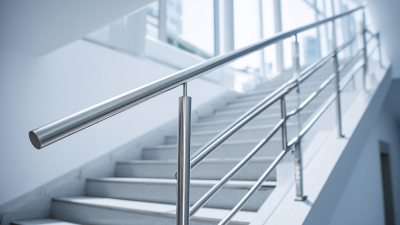
Metal rails are strong and often need little more than wiping, but their grip depends on shape and surface. A narrow, smooth tube can feel slippery to cold or damp hands. Textured coatings improve purchase, though they may chip where rings or bags repeatedly scrape the rail. Stainless steel resists corrosion well indoors, but it still shows fingerprints. Small detail, big difference.
Plastic and composite rails resist moisture and are easy to clean, making them practical near busy entrances. Yet some surfaces feel less reassuring, and prolonged sun exposure can fade or weaken certain materials. A polished finish may look convincing in a showroom; it is a poor test of grip. If possible, hold a sample with dry and slightly damp hands. Also check that the rail can be firmly fixed to the wall or posts, since even a comfortable material cannot compensate for loose installation. I would pay closer attention to that than to a perfect finish.
What Are the Best Handrails for Stairs?
A practical comparison of common handrail materials for grip, durability, and ease of maintenance.
Scores are indicative relative ratings, not standardized test results. Grip depends heavily on rail shape, diameter, and surface finish; durability and upkeep also vary with installation, protective coatings, and exposure to weather. Higher maintenance scores mean easier routine care.
How to Choose a Handrail for Your Staircase
Choosing a handrail starts with the people who use the stairs. A child, an older adult, and someone carrying laundry may need different kinds of support. Look for a shape that feels secure in your hand, with enough room to wrap your fingers around it. A smooth, rounded profile often feels comfortable, while a broad decorative rail may be harder to grasp. Small details matter. Check for sharp edges, slippery finishes, and joints that interrupt a steady grip.
Match the material to the staircase and its surroundings. Wood can feel warm indoors, while metal may suit a busy entryway, but either can become slick if its finish is poorly chosen. Think about moisture, cleaning, and wear before deciding. The mounting matters just as much as the rail itself: a sturdy-looking handrail can still feel loose if it is not anchored properly. Have the wall structure and installation checked, and confirm local stair-safety requirements before work begins. One easy mistake is choosing by appearance alone. I would still compare samples in person; photographs rarely show how a rail feels when your palm is damp or your grip is tired.