How to Choose Indoor Stair Railings?
Choosing indoor stair railings involves more than matching wood tones or metal finishes. A railing must feel secure, comfortable, and appropriate for the people using the staircase every day. Consider the stair width, traffic level, lighting, wall layout, and the physical needs of household members. A beautiful railing can still fail if it feels slippery, sits too low, or interrupts a natural hand movement.
Tom Silva, a veteran general contractor known for This Old House, has said, “A handrail is there to give you support and balance.” That practical view should guide every decision. Run your hand along a sample rail. Notice its temperature, grip, and edges. Does it feel steady when climbing with one hand? Small details matter.
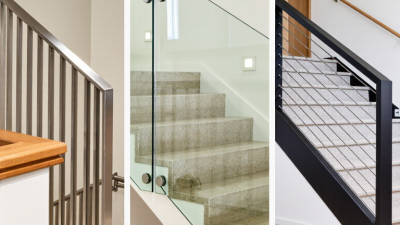
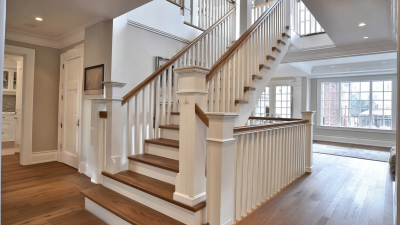
Material choices also shape the experience. Oak offers warmth and familiar texture. Steel creates a cleaner, sharper appearance. Glass can open a narrow stairway visually, but it demands regular cleaning. Children, older adults, pets, and frequent guests may need different levels of support. There is no universal best option.
Installation deserves equal attention. Fasteners should connect securely to structural framing, not merely to decorative wall surfaces. Local building requirements may also affect rail height, spacing, returns, and stair geometry. Verify current requirements with qualified professionals.
Some choices remain uncertain. A stylish profile may look excellent online but feel awkward in person. Use samples whenever possible. This guide explains how to compare indoor stair railings through safety, comfort, durability, maintenance, and design, without allowing appearance to overshadow practical trust.
Define the Stair Type, Traffic Level, and Applicable Building Code
Indoor stair railings should begin with the stair type, not the railing style. A straight stair usually needs a continuous handrail, while winding or split stairs may require extra attention at landings and direction changes. Open risers can also create different safety concerns than enclosed risers. Measure the stair width, slope, landing size, and available wall space before choosing materials.
Traffic level changes the practical decision. A family stair may need a comfortable, durable rail with a warm grip. A busy shared building needs stronger fixings, easier cleaning, and reduced snagging points. Consider children, older adults, moving furniture, and wet footwear. I once focused too much on appearance and underestimated how often people touched the rail. The result looked refined but felt less comfortable than expected.
Tips: Check the applicable building code before ordering. Requirements may cover handrail height, extensions, baluster spacing, graspability, loading, and guard protection. Rules differ by location and occupancy type, so confirm details with the local building department or a qualified professional. Do not assume an existing stair is compliant. Photograph difficult areas, record measurements, and ask for written guidance when the layout is unusual. Test a sample rail at standing height. Small changes matter.
Set Handrail Height at 34–38 Inches and Wall Clearance at 1½ Inches
Choosing an indoor stair railing begins with two measurements: handrail height and wall clearance. The 2024 International Residential Code, Section R311.7.8, sets residential handrail height between 34 and 38 inches above stair nosings. Measure vertically from the sloped line connecting the tread edges, not from the finished floor. This small difference matters. A rail that looks correct at the landing may feel too high over the steps.
Leave at least 1½ inches between the handrail and the wall. This space allows a complete grip and reduces knuckle contact during descent. The National Association of Home Builders identifies stair safety as a recurring concern in residential design, while the U.S. Consumer Product Safety Commission continues to report substantial injury risks from falls in and around homes. Clearances cannot replace secure installation. Fasteners should connect with structural framing or approved blocking, and the rail should remain continuous where practical. Avoid sharp returns and oversized profiles that weaken the grip.
I measure twice.
In real installations, finished flooring, trim, and wall irregularities can shift the final result. I have seen a rail meet the height rule but still feel awkward because its brackets interrupted the hand path. That is worth reconsidering. Check the completed staircase with an adult’s hand, including the first and last steps. Local building departments may adopt different editions or amendments, so verify the applicable code before drilling.
Choose Materials by Load Capacity, Durability, and Maintenance Needs
Choosing indoor stair railings starts with load, not color. The 2024 International Building Code specifies a 200-pound concentrated load for handrails and guards. It also requires a 50-pound-per-linear-foot load in applicable guard provisions (ICC, 2024). Local codes may differ. Verify the adopted edition with a qualified inspector. A railing can look solid yet fail at its brackets. Check the substrate, fastener spacing, and joint design.
Steel and aluminum suit busy staircases because they resist impacts and repeated handling. Stainless steel usually needs routine wiping. Fingerprints and abrasive cleaners can dull its surface. Painted steel offers more visual flexibility, but chips may expose bare metal and encourage corrosion. NACE’s IMPACT study estimated global corrosion costs at US$2.5 trillion annually, or 3.4% of global GDP (NACE, 2016). Indoor conditions reduce exposure, not risk. Kitchens, pool rooms, and humid entryways need closer inspection.
Wood feels warmer and allows local repairs. It also needs careful sealing near damp footwear and frequent cleaning. The USDA Wood Handbook explains that moisture changes make wood shrink and swell, stressing finishes and joints (USDA Forest Products Laboratory, 2021). In practice, choose a smooth, graspable profile. Inspect screws twice yearly. Wipe spills promptly. I once treated “low maintenance” as “maintenance-free.” That assumption was wrong. Match the material to traffic, cleaning habits, and installation quality.
How to Choose Indoor Stair Railings?
Compare common railing materials by load capacity potential, durability, and maintenance needs.
The chart uses a practical 1–5 comparison index based on typical indoor material behavior.
Steel and aluminum generally provide high structural potential with low routine maintenance,
while wood offers easier refinishing but requires more care. Glass can create a modern appearance,
but its panels, fixings, and edges require careful design and cleaning. All railings must be sized
and anchored to meet local building-code loads, commonly including a 200 lb (0.89 kN) concentrated
handrail load and a 50 lb/ft (0.73 kN/m) uniform load in many residential and building standards.
Compare Mounting Systems, Grip Profiles, Lighting, and Installation Costs
Choosing indoor stair railings starts with the mounting system. Wall-mounted rails save visual space and work well beside narrow staircases. Posts mounted on the stair edge create a stronger architectural statement. Check the wall structure before choosing either option. Drywall alone cannot reliably support heavy daily pulling. A professional installer should locate framing, measure stair angles, and confirm local safety requirements.
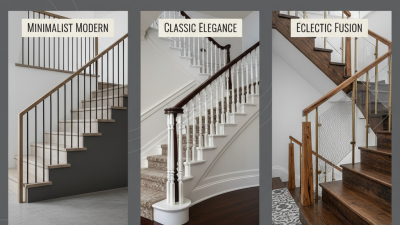
Grip profile matters more than many homeowners expect. A rounded rail usually feels comfortable under a relaxed hand. Slim rectangular profiles can look modern, but sharp edges may feel unpleasant during frequent use. Test a sample at the staircase if possible. Your hand will notice details your eyes miss. Timber, metal, and composite surfaces also change warmth, texture, and maintenance needs.
Lighting should guide movement without creating glare. Concealed strip lighting beneath the rail can softly mark each tread. Motion sensors may reduce energy use, but poor placement can trigger lights too late. Installation costs depend on rail length, corners, wall repairs, wiring, and surface finishing. Ask for an itemized quote, including brackets, preparation, lighting controls, and cleanup. The first estimate is rarely perfect.
Tips: Mark the hand height with painter’s tape for one evening. Walk past it with full hands. Notice whether the grip feels natural, the light feels gentle, and the rail remains clear of doorways.