What Are the Top Banister Railing Types in 2026?

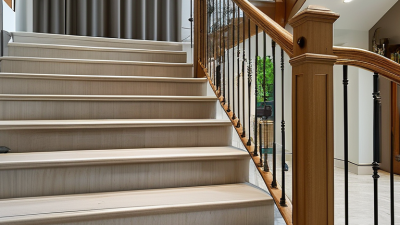
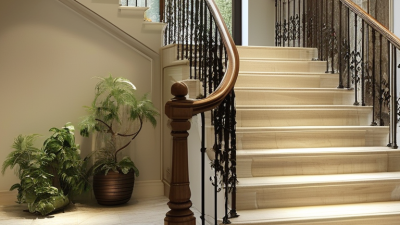
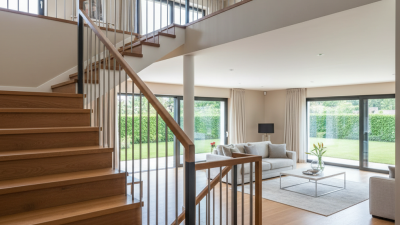
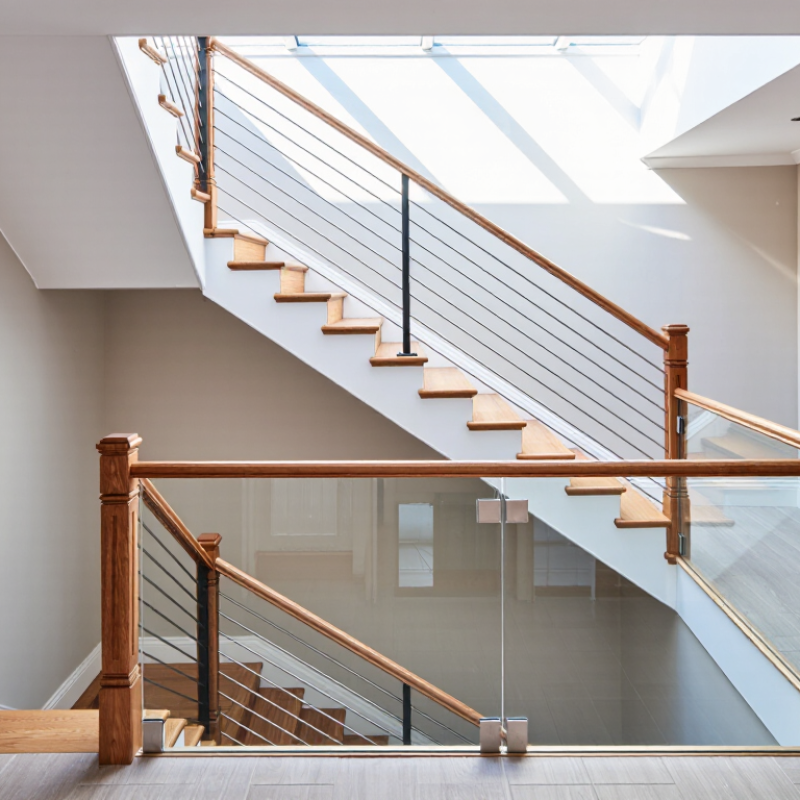
Choosing a banister railing is part safety decision, part design choice. In 2026, homeowners can compare traditional wood, slim metal, glass panels, cable systems, and mixed-material designs. Each changes how a staircase feels. A dark steel rail can sharpen a bright hallway, while clear glass keeps sightlines open. But appearance alone is not enough.

Industry reports offer useful context, though they do not rank railing styles. Harvard’s Joint Center for Housing Studies reported that U.S. homeowner improvement and repair spending reached an estimated $472 billion in 2022. Houzz’s 2024 U.S. Houzz & Home Study put median renovation spending at $24,000 for 2023. These figures describe the wider renovation market, not railing purchases specifically. That distinction matters. They suggest homeowners are investing in upgrades, but they cannot prove which banister railing type will lead in 2026.

This guide compares popular options by appearance, maintenance, durability, and installation considerations. Wood brings warmth, but dents and finish wear may show over time. Metal offers crisp lines and many finishes; glass requires regular cleaning to keep fingerprints at bay. Cable systems feel open, yet their suitability depends on the staircase and applicable local requirements. Mixed materials can balance texture and cost, though the result may not suit every home. There is no universal winner. The best choice depends on the household, the space, and professional assessment of safety requirements.
What Are the Top Banister Railing Types in 2026?

Define Banister Rails by 2021 IBC: 42-Inch Guards and 4-Inch Openings

Banister rails serve two different jobs: a handrail gives the hand a steady grip, while a guard protects an open edge. Under the 2021 International Building Code (IBC), Section 1015.3 generally requires guards to be at least 42 inches high, measured from the adjacent walking surface. Section 1015.4 generally limits openings so a 4-inch sphere cannot pass through. These are code dimensions, not design suggestions. Local adoption and project conditions matter.

Stairs need closer attention. The IBC allows specific exceptions for stair-related openings, and handrail height follows separate rules. A rail that looks compliant from the landing may still leave a larger gap beside a sloped stair. Check the applicable IBC provisions and local amendments before fabrication. Small measurement errors can become expensive corrections.

Tips: Measure vertically from the walking surface, then test the largest gaps with a rigid 4-inch sphere. Check transitions at posts and stair ends. A tape measure can miss an awkward angle; verify the detail on site.

Top Banister Railing Types in 2026: 2021 IBC Guard Basics

Common railing styles share the same baseline opening test under the 2021 International Building Code: a 4-inch sphere must not pass through most guard openings.

Guard height: 42 inches minimum in many applications under the 2021 IBC. The chart shows the shared 4-inch sphere-test threshold—not a ranking or measured performance of railing products. Code exceptions and local amendments may apply; confirm requirements for your project.

Compare Wood and Metal Railings by Strength, Maintenance, and Use

Wood and metal banister railings can both meet demanding safety needs, but their performance changes with exposure and upkeep. The 2024 International Residential Code sets a 200-pound concentrated load and a 50-pound-per-linear-foot load for guards. These are useful design benchmarks, not a substitute for checking local requirements or installation details. The USDA Forest Products Laboratory’s Wood Handbook places wood’s fiber-saturation point near 30% moisture content. Below that level, moisture changes can affect wood’s dimensions and strength. A timber rail may feel warm and solid, yet exposed end grain can absorb rain and invite decay. Seal it regularly, and inspect joints for movement.

Metal generally offers slimmer profiles and less risk of rot, but “metal” covers very different materials. Painted or galvanized steel can resist weather well; damaged coatings may expose steel to corrosion, especially near salt air. Aluminum avoids rust, though it can dent or loosen at poorly designed connections. Less upkeep, not no upkeep. For a sheltered porch, well-finished wood may suit a home where touch and natural grain matter. For wet steps or a high-traffic entry, coated metal can be easier to clean and maintain. I would not choose by appearance alone: check fasteners, coating condition, rail height, and the feel of the handrail. Even a beautiful rail can disappoint if it flexes.

Assess Glass and Cable Rails Against the 4-Inch Sphere Rule

The 4-inch sphere rule is a practical way to assess openings in a banister guard. In many building codes, a sphere of that size must not pass through the opening. Requirements vary by location and stair configuration, so confirm the rules that apply to your project. A tape measure helps, but a physical sphere gives a clearer check.

Glass rails can create a clean, open view while limiting gaps between posts. Look closely at panel edges, the space below the glass, and connections to walls or newel posts. Small gaps are easy to overlook. Panels also need suitable strength and secure mounting; appearance alone does not show whether a system is safe. Ask a qualified professional to verify the specifications and installation.

Cable rails need a different kind of attention. Measure the gaps between cables, then consider whether tension, use, or wear could make them wider. Cables can move. That detail matters, especially where children may be present. A rail may pass a quick measurement and still deserve a closer review after installation. I would not treat one sphere test as the whole inspection: check the full run, fasteners, and any changes in level or direction.

Review Composite and PVC Railings for Exterior Use and Code Fit

Composite railings combine wood fibers and polymers, offering a solid feel and a finish that can resemble painted timber. On an exposed deck, they resist rot and insect damage better than untreated wood. Still, dark colors may become hot in direct summer sun, and long sections can expand with temperature changes. Leave the clearances specified for the rail system; tight joints may buckle or shift.

PVC railings contain no wood fibers and do not need painting. Their smooth surfaces are easy to wash after pollen or salt spray builds up. They can, however, feel less rigid than expected if posts or brackets are poorly supported. Not every PVC profile suits every span. Check the installation instructions before setting post locations, especially near stair turns.

Code fit depends on local rules and the exact installation. Guard height, opening size, stair handrails, and resistance to outward force may all matter. Requirements vary by jurisdiction, so confirm the currently adopted code with the local building department. Also check that the rail system’s tested limits cover your post spacing and intended use. A sample piece can reveal color and texture, but it cannot prove structural suitability. It is an easy detail to overlook.

What Are the Top Banister Railing Types in 2026? — Review Composite and PVC Railings for Exterior Use and Code Fit

Railing Type Exterior Performance Maintenance Typical Advantages Points to Check Before Buying Code-Fit Considerations
Composite Often made from a blend of wood fiber and plastic. Resists routine moisture exposure better than untreated wood, but performance varies by formulation and system. Usually needs periodic washing. Follow the product instructions for cleaning and inspection. Wood-like appearance; available in coordinated rail, post, and infill components; generally avoids routine painting or staining. Check expansion and contraction requirements, compatible fasteners, drainage details, and whether the railing components are intended for the site’s climate. Use a complete railing system with installation instructions and applicable test or evaluation documentation. Material type alone does not establish compliance.
PVC / Vinyl Does not absorb water like wood and will not rust. Temperature changes can cause movement, and prolonged sun exposure may affect appearance depending on the product. Typically requires washing and periodic checks of connections and supports. Low routine upkeep; smooth, consistent finish; suitable for homeowners seeking a non-wood appearance. Confirm support-post construction, reinforcement requirements, allowable spans, and installation details. Do not assume every decorative PVC component is structural. Verify that the installed assembly—not just individual parts—meets the local requirements for height, openings, loads, and stair configuration.
Pressure-Treated Wood Can be used outdoors when designed and installed for exposure, but may shrink, split, warp, or weather over time. Inspect regularly; cleaning, sealing, staining, or painting may be needed depending on exposure and finish. Easy to cut and adapt on site; familiar construction method; can be repaired with commonly available materials. Use suitable exterior-rated hardware and protect cut ends as directed. Account for wood movement and keep water from collecting at connections. Railing geometry and structural attachment still need to comply with the locally adopted code; a familiar material is not a substitute for proper design.
Aluminum Generally corrosion-resistant, though finish condition, coastal exposure, dissimilar-metal contact, and maintenance can affect long-term performance. Usually limited to cleaning and periodic inspection of fasteners, finish, and connections. Lightweight; available in open picket and other styles; often suited to installations where a slim profile is desired. Check coating suitability for the exposure, connection details, post spacing, and the system’s approved span limits. Confirm tested or documented capacity for the intended layout, including corners, stairs, and attachment to the supporting structure.
Steel Strength and weather resistance depend on the steel type and protective finish. Coated or galvanized steel can help resist corrosion; damaged finishes may need attention. Inspect for coating damage, rust, and loose connections; touch-up or refinishing may be required. Strong, versatile, and available in traditional or contemporary designs, including custom configurations. Check corrosion protection, weld and connection quality, drainage, and suitability for the local environment. Confirm that the full assembly is designed for required loads and that any custom infill does not create noncompliant openings.
Stainless Steel Can offer strong corrosion resistance, but the appropriate alloy and maintenance depend on exposure, especially in coastal or chloride-rich environments. Periodic cleaning and inspection help limit surface staining and keep connections in good condition. Clean, modern appearance; useful for designs with metal posts, rails, or cable infill. Specify a suitable alloy and compatible fasteners for the environment. Cable systems require correct tensioning and ongoing checks. Check infill openings, cable deflection, anchorage, and system documentation against local rules; appearance alone does not show code compliance.

Code note: Requirements vary by jurisdiction, building type, and adopted code edition. As a general reference, residential codes commonly specify a minimum guard height of 36 inches in many locations, while some other occupancies commonly require 42 inches; stair guards and handrails can have different rules. Opening limits, handrail dimensions, structural loads, and exceptions also vary. Confirm the current local requirements and obtain approval for the complete installed system from the authority having jurisdiction.

Compare Guard Loads: 200-Pound Concentrated and 50-Pound-Per-Foot Loads

What Are the Top Banister Railing Types in 2026?

Wood, metal, glass, and cable railings each create a different look, but appearance is only part of the decision. For a stair or balcony guard, check how the system handles both a 200-pound concentrated load and a 50-pound-per-linear-foot load. The first represents force applied at one point, such as near a post. The second represents force spread along a section of the top rail. That distinction matters.

These figures are design checks, not a simple test you can perform by leaning on a railing. Applicable building codes and project conditions determine how loads are applied and what each component must resist. The top rail, posts, connections, and supporting structure all matter. A sturdy-looking rail can still have weak attachment points. It is easy to overlook those.

When comparing options, ask for documentation showing the design loads and installation requirements. Glass panels may need carefully specified supports; cable systems need secure end connections and appropriate spacing. Wood can be strong, but its performance depends on dimensions, condition, and fastening details. Requirements vary by location, so confirm the locally adopted code with a qualified building professional. I would not choose by style alone. A small connection detail can change the whole result.

This website uses cookies to ensure you get the best experience. By continuing to browse on this website, you accept the use of cookies for the above purposes.