The global stair railing market is shaped by renovation, new construction, and stricter expectations for safer building access. Grand View Research’s handrail market analysis identifies commercial construction and infrastructure upgrades as important demand drivers. Its findings also point to steady market growth through the decade, although regional forecasts differ. That difference matters to international buyers.
A reliable supplier must offer more than attractive profiles. Buyers should examine stainless steel grades, aluminum alloy specifications, coating performance, glass thickness, weld quality, and documented load-test results. ISO 14122-3 provides useful guidance for permanent access systems, while OSHA 1910.29 offers widely referenced guardrail criteria in the United States. These standards do not replace local building codes. They create a practical comparison point.
The best suppliers should also explain installation limits. A balcony system may fail when anchors meet weak concrete. Coastal projects need stronger corrosion protection. Indoor staircases may require different finishes and maintenance plans. Intertek, SGS, and TÜV test reports can improve confidence, but buyers should verify report numbers and product models directly. Paperwork alone is not proof.
This guide reviews ten stair railing suppliers serving global buyers. It considers manufacturing experience, customization, certifications, export capability, packaging, lead times, and after-sales support. Some supplier information is difficult to compare fairly. Public claims can be incomplete. That is worth remembering.
A polished catalog is not enough. On-site performance matters more. Through a procurement-focused lens, this selection aims to help architects, contractors, distributors, and importers ask sharper questions before signing a purchase agreement.
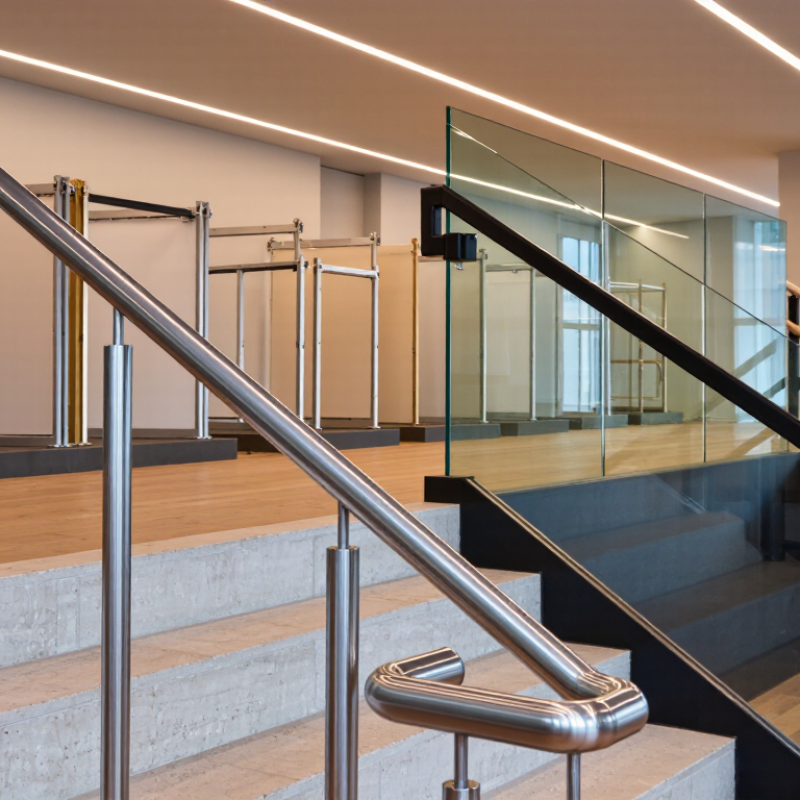
A stair railing supplier suitable for global buyers must offer more than attractive designs. Product safety comes first. Ask for load-test reports, material specifications, welding details, and corrosion-resistance data. Reliable suppliers explain which standards their products follow and where those standards may differ. Local building codes still require verification by the buyer.
Material consistency matters during international sourcing. Stainless steel, aluminum, wood, and glass each need different inspection methods. A professional supplier should provide samples, accurate drawings, installation guides, and clear measurements. Packaging deserves equal attention. Protective films, reinforced corners, and moisture control can prevent damage during long sea transport. Small details often decide whether a project stays on schedule.
Communication is another practical test. Can the supplier answer technical questions clearly? Can it manage metric and imperial dimensions without repeated corrections? Buyers should review production timelines, quality checkpoints, replacement procedures, and shipping documents before placing an order. A responsive team is valuable, but fast replies do not always mean strong manufacturing control. No supplier gets every detail right. Samples may look excellent while batch consistency remains uncertain. Independent inspection can expose that weakness. Global buyers should compare evidence, not promises.
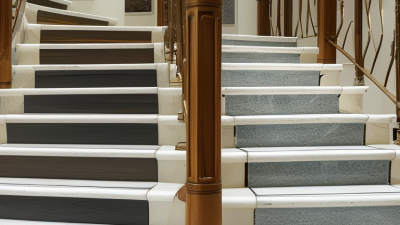
Global buyers compare stair railing suppliers by product range, compliance documents, and practical installation support. The main categories include indoor handrails, exterior guardrails, balcony systems, cable railings, glass fittings, and modular stairs. Each category serves a different setting. Indoor projects often favor timber or powder-coated metal for warmth and easy maintenance. Exterior applications need drainage, UV resistance, and finishes that tolerate rain, salt, and temperature changes. Glass looks open.
Material selection should follow the building environment, not only the catalog photograph. Stainless steel suits coastal areas when the grade and surface finish match local exposure. Aluminum reduces weight and resists corrosion, but it may feel less substantial under heavy use. Carbon steel offers strength and flexible fabrication, yet it requires dependable protective coating. Timber brings texture and comfort, although moisture control and regular sealing cannot be ignored. Tempered or laminated glass can improve visibility, but buyers should verify thickness, edge treatment, and replacement procedures. Small details matter.
Experienced suppliers should provide load data, dimensional drawings, sample finishes, packing specifications, and installation guidance. For international orders, confirm local code compatibility, export packaging, lead times, and responsibility for damaged components. Ask whether fittings can accommodate uneven floors or site measurements, because real staircases are rarely perfect. In project reviews, attractive systems sometimes fail when connectors are chosen too late. That is an avoidable mistake. A reliable comparison also checks warranties, traceable material certificates, and responsive technical communication. Price matters, but the cheapest railing can become expensive after delays, replacements, or local modifications.
Typical material density is a useful early-stage procurement indicator because it affects shipping weight, installation requirements, structural design, and handling costs. Values are approximate reference figures for commonly specified railing materials.
Key takeaway: Aluminum and hardwood are relatively lightweight options, while stainless steel and carbon steel provide high strength but require more consideration for transportation and installation weight. Glass offers a modern appearance and moderate density, but its safety performance depends on the use of appropriately specified laminated or tempered systems.
For global buyers, stair-railing selection begins with safety, not appearance. The U.S. Bureau of Labor Statistics recorded 865 fatal workplace injuries involving falls, slips, and trips in 2022. Stair edges and loose handrails can turn small defects into serious risks. When comparing ten leading suppliers, buyers should examine load testing, material traceability, surface treatment, and installation guidance.
International compliance requires more than a certificate. ISO 14122-3:2016 addresses permanent access stairs, guardrails, and handrails used with machinery. In the United States, OSHA 1910.29 generally requires workplace guardrails to have a 42-inch top edge, with limited tolerance. EN 1090-1 may apply to structural steel or aluminium components placed on the European market. Requirements still depend on building use and local authorities.
Ask suppliers for test reports, welding procedures, coating specifications, and batch records. Check whether stainless steel grades match coastal exposure. A sample railing should feel rigid, with clean welds and no sharp transitions. In supplier audits, packaging also deserves attention; bent posts often arrive after poor internal bracing. A polished certificate is not enough. Buyers should verify its scope and issuing body. I would also request installation photographs from comparable projects. That step is easy to skip. It should not be. Standards guide decisions, but site measurements, user behavior, and maintenance conditions still require professional judgment.
Request a cost breakdown for raw materials, fabrication, surface treatment, packaging, tooling, and shipping preparation. Custom railing designs can require bending molds, CNC cutting, or special welding fixtures. Ask whether these costs are one-time charges or included in each unit price.
Require a physical sample before approving mass production. Check joint alignment, weld marks, coating consistency, and handrail comfort by touch.
Production capacity deserves evidence, not confident claims. Ask for monthly output, current order volume, equipment lists, quality records, and realistic lead times during peak seasons.
In supplier audits, I have compared reported capacity with finished goods moving through the workshop. Some figures need challenge. A large machine count does not guarantee fast delivery.
Once, I focused too heavily on equipment and overlooked bottlenecks in polishing and packing. That mistake changed my evaluation method.
I now ask for a process flow, daily output records, and subcontracting details.
Global buyers should also confirm packaging strength, inspection procedures, corrosion protection, and documents supporting local project requirements. A reliable supplier explains limitations clearly. Vague promises create expensive delays. Clear revisions do not.
Global buyers need stair railing suppliers that understand more than attractive product photos. Reliable suppliers should provide clear drawings, material certificates, load data, and consistent finish samples. These documents help purchasing teams compare offers across different markets.
Experienced suppliers can support stainless steel, aluminum, glass, and coated steel systems. For coastal projects, marine-grade stainless steel may resist corrosion better. Interior developments may require a warmer wood handrail or a slim metal profile. Ask for connection details, post spacing, glass thickness, and installation instructions before placing an order. Small gaps in specifications can create expensive site delays.
Communication matters as much as manufacturing skill. A dependable supplier confirms tolerances, packaging methods, production dates, and replacement procedures in writing. Export-ready crates should protect corners, glass panels, and polished surfaces during long transport. Factory inspections and sample approvals add useful control. Still, no supplier is perfect. A fast reply does not prove strong engineering. I would also question unusually low prices, because hidden costs may appear in hardware, freight, or rework. One practical weakness is that buyers sometimes approve a sample without checking the full batch. That mistake is easy to repeat. Look closely. Suppliers serving worldwide purchasing needs should offer traceable quality records, responsive technical support, and realistic delivery promises.
| Rank | Anonymous Supplier Profile | Primary Sourcing Market | Main Product Categories | Common Materials | Typical Finish Options | Relevant Technical Standards | Typical Project Fit | Key Buyer Verification Points |
|---|---|---|---|---|---|---|---|---|
| 1 | Large-scale architectural metalwork supplier | China | Indoor and outdoor handrails, balustrades, glass railing systems, custom metal assemblies | Stainless steel, aluminum, carbon steel, tempered or laminated glass | Brushed, mirror-polished, powder-coated, anodized, hot-dip galvanized | ASTM E985; International Building Code provisions; project-specific load calculations | High-volume residential, commercial, and infrastructure projects | Confirm material grades, welding procedures, surface-treatment reports, load testing, packaging, and export documentation |
| 2 | Custom stainless-steel railing specialist | India | Stainless-steel handrails, glass clamps, posts, tubes, fittings, and made-to-order assemblies | 304 and 316 stainless steel, tempered glass, aluminum accessories | Hairline, satin, mirror, PVD, brushed, powder-coated | ASTM A240 for stainless-steel sheet; ASTM E985; applicable local building codes | Hotels, villas, offices, retail interiors, and coastal applications | Check stainless-steel grade certificates, salt-spray requirements, dimensional tolerances, welding quality, and sample approval |
| 3 | European architectural railing manufacturer | Italy | Designer handrails, glass balustrades, stair components, and bespoke architectural systems | Stainless steel, aluminum, brass, steel, tempered and laminated glass | Brushed, polished, painted, anodized, antique, and decorative finishes | EN 1090 where applicable; EN 1991-1-1 imposed-load guidance; CE-related documentation where applicable | Premium interiors, hospitality, luxury housing, and design-led developments | Request product drawings, structural calculations, corrosion class, glass specifications, installation tolerances, and warranty terms |
| 4 | Precision-engineered metal systems supplier | Germany | Modular railing systems, stainless-steel fittings, safety barriers, and engineered stair assemblies | Stainless steel, galvanized steel, aluminum, laminated glass | Brushed, polished, powder-coated, galvanized, and architectural paint systems | EN 1090; EN 1991-1-1; DIN-based project specifications; applicable national building regulations | Commercial buildings, public facilities, industrial sites, and technically demanding projects | Verify factory production control, welding qualifications, traceability, structural design, and conformity documentation |
| 5 | Integrated aluminum and glass railing producer | Turkey | Aluminum balustrades, glass railings, outdoor handrails, stair posts, and modular accessories | Aluminum, stainless steel, tempered glass, laminated glass | Powder-coated, anodized, wood-effect, brushed, and polished | EN 1090 where applicable; EN 12150 for thermally toughened glass; local structural requirements | Residential developments, balconies, terraces, hotels, and renovation projects | Confirm alloy and temper, coating thickness, glass heat-soak requirements, wind-load design, and installation instructions |
| 6 | Cost-efficient stainless and glass railing exporter | Vietnam | Stainless-steel handrails, glass clamps, posts, fittings, and standard stair railing kits | 304 stainless steel, 316 stainless steel, aluminum, tempered glass | Satin, mirror, brushed, powder-coated, and polished | ASTM E985; ASTM A240; EN 12150 when specified by the buyer | Residential construction, retail fit-outs, hospitality, and repeat-order programs | Review production capacity, incoming-material inspection, weld finishing, carton protection, container loading, and inspection reports |
| 7 | European steel and balcony railing fabricator | Poland | Steel stair railings, balcony balustrades, welded frames, handrails, and powder-coated assemblies | Carbon steel, galvanized steel, stainless steel, safety glass | Powder-coated, hot-dip galvanized, painted, brushed, and textured | EN 1090; EN ISO 1461 for hot-dip galvanized coatings; applicable Eurocode design requirements | Apartment buildings, public works, industrial facilities, and European construction projects | Check execution class, coating system, corrosion category, weld inspection, load calculations, and site-measurement process |
| 8 | Heavy-duty architectural and safety railing supplier | United Arab Emirates | Stair handrails, guardrails, balustrades, stainless-steel systems, and custom metalwork | 316 stainless steel, aluminum, galvanized steel, laminated glass | Brushed, mirror-polished, powder-coated, anodized, and marine-grade finishes | ASTM E985; International Building Code provisions; project and authority-specific requirements | High-temperature, high-UV, coastal, hospitality, and commercial projects | Confirm corrosion resistance, UV stability, anchor design, thermal movement allowances, fire requirements, and local authority approvals |
| 9 | North American code-oriented railing fabricator | United States | Residential and commercial handrails, guardrails, cable systems, glass systems, and accessibility components | Aluminum, stainless steel, galvanized steel, wood, tempered or laminated glass | Powder-coated, anodized, galvanized, brushed, painted, and natural wood finishes | International Building Code; International Residential Code; OSHA 1910.29 for applicable workplace systems; ASTM E985 | Projects requiring North American code coordination, engineering, and domestic support | Verify code jurisdiction, guard height, opening limits, handrail dimensions, load calculations, engineering seals, and installation responsibility |
| 10 | Australian and Oceania compliance-focused supplier | Australia | Internal and external balustrades, pool-adjacent barriers, handrails, glass systems, and stainless fittings | 316 stainless steel, aluminum, galvanized steel, safety glass, hardwood | Brushed, polished, powder-coated, anodized, galvanized, and marine-grade finishes | AS/NZS 1170.1; AS 1288 for glass in buildings; NCC requirements; AS 1428.1 for accessible design where applicable | Residential, commercial, coastal, public, and accessibility-sensitive projects | Check wind-load design, glass selection, pool-barrier requirements, corrosion category, engineering certification, and installation compliance |