560 Glasgow St, London, ON N5W 4A3

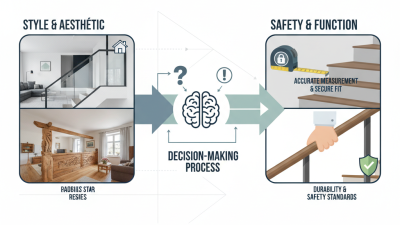
Choosing the right stair railing in 2026 means balancing safety, comfort, design, and long-term maintenance. A beautiful railing can still fail if it feels slippery, sits too low, or blocks a clear hand grip. The best choice supports confident movement on every step, including narrow stairs, wet entryways, and dim hallways.
Building renovator and safety advocate Mike Holmes often says, “Safety should never be an afterthought.” That principle remains useful when comparing wood, metal, glass, and composite systems. A strong stair railing should match the staircase structure, not merely imitate a showroom style. Check its height, spacing, load resistance, surface texture, and connection points. Local building requirements may also differ, so verify them before ordering materials.
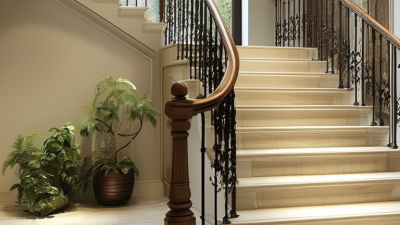
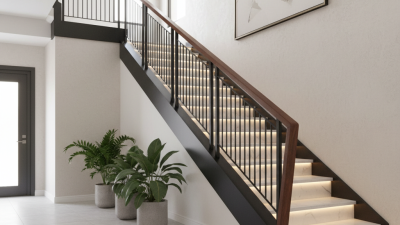
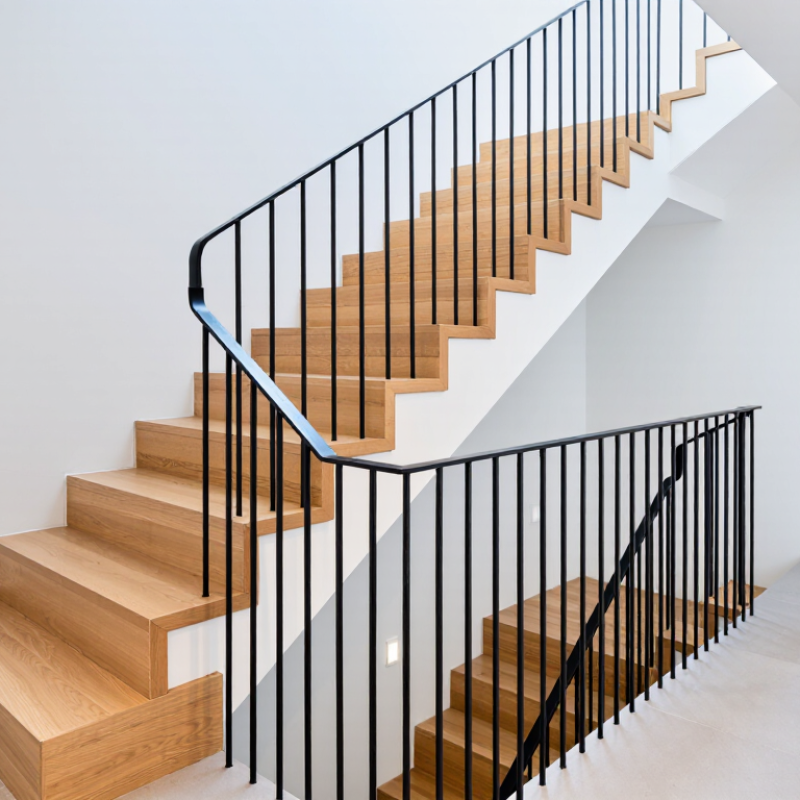
Appearance still matters. Warm oak can soften a modern interior, while powder-coated steel offers a cleaner, sharper profile. Glass can preserve an open view, but fingerprints and cleaning demands are easy to underestimate. I have also seen homeowners focus on color first, then regret choosing a difficult grip. That mistake is common. It deserves reflection.
This guide will examine practical railing options for new builds, remodels, family homes, and accessible spaces. It will compare installation effort, durability, cleaning, comfort, and cost. Trends change quickly, but human balance does not. A dependable stair railing should feel natural in the hand, remain stable under pressure, and look appropriate after years of daily use. When design and safety disagree, safety should win.
How to Choose the Right Stair Railing in 2026?
Start by defining how your staircase is used. Measure its width, rise, tread depth, landing space, and turning points. A family staircase may need a continuous, easy-to-grip handrail. A narrow stairway needs a slimmer profile to preserve walking space. Consider children, older adults, pets, and anyone with limited balance. The U.S. Consumer Product Safety Commission estimated 1,076,558 stairway-related injuries treated in emergency departments in 2017 through its National Electronic Injury Surveillance System. The figure is older, but the warning remains practical: small layout problems can create serious risks.
Check the staircase from a user’s eye level. Can someone hold the rail without twisting a wrist? Does it continue past the top and bottom steps? Are there gaps large enough for a child to pass through? The 2024 International Residential Code commonly limits riser height to 7¾ inches and requires at least a 10-inch tread, although local rules may differ. Confirm the current requirements with your building authority. I would not trust appearance alone. A polished rail can still feel unstable.
Choose materials after checking moisture, lighting, and maintenance demands. In a dim hallway, contrast may matter more than decoration. Test the rail with one hand and apply firm pressure before installation. My first layout is often wrong. A full-size cardboard mock-up can reveal awkward reaches, blocked doors, or a landing that feels too tight. National Safety Council injury data also continues to identify falls as a major source of preventable harm, making careful measurement more valuable than a rushed purchase.
| Staircase Type or Need | Layout Considerations | Recommended Railing Configuration | Key Safety Requirements | Practical Selection Notes |
|---|---|---|---|---|
| Straight indoor staircase | Usually has a continuous flight with predictable traffic flow and one or two exposed sides. | Wall-mounted handrail on the closed side; add a guardrail on any open side or landing. | Provide a graspable handrail for the full flight. Typical residential handrail height is 34–38 inches above the stair nosings, subject to local code. | A continuous profile with rounded edges is comfortable for children, older adults, and frequent daily use. |
| Open-sided staircase | One or both sides are exposed to a lower level, room, or open void. | Use a handrail plus a structural guardrail or balustrade along every exposed edge. | Where required by local regulations, guards commonly need to be at least 36 inches high on residential walking surfaces more than 30 inches above the floor or grade. | Choose closely spaced vertical balusters, cable infill, or solid panels to reduce fall and climbing risks. |
| L-shaped or switchback staircase | Includes a 90-degree turn, landing, or series of connected flights. | Use continuous handrails where possible, with secure transitions around the landing. | Avoid abrupt interruptions at corners. Keep landings clear and maintain consistent handrail height through direction changes. | A return-to-wall or end-cap detail can reduce snagging from clothing, bags, and furniture. |
| Winder or spiral staircase | Treads vary in width or follow a tight radius, creating changing walking lines. | Install a continuous inside or outside handrail that follows the stair geometry without sharp breaks. | Check minimum tread depth, headroom, clear width, and handrail continuity against the applicable local code. | Prioritize grip and visibility over decorative complexity because footing changes across the turn. |
| Narrow staircase | Limited width can make bulky posts, brackets, or dual railings obstructive. | Use a slim wall-mounted handrail with compact brackets; add a second rail only when required or beneficial. | Typical residential stair provisions often reference a minimum clear width of 36 inches, but the governing jurisdiction must be confirmed. | Measure the clear passage after installation, not just the distance between walls before fitting. |
| Home with children or pets | The railing may be exposed to climbing, pushing, impact, and small objects passing through gaps. | Use vertical balusters or a solid infill with no climbable horizontal rails. | A commonly used residential safety limit is that openings should not allow a 4-inch sphere to pass through, subject to local requirements. | Avoid sharp projections and verify that balusters, posts, and brackets are firmly anchored. |
| Older adults or reduced mobility | Users may need greater stability, continuous support, and improved visibility. | Consider handrails on both sides, a continuous graspable profile, and high-contrast edge visibility. | A circular handrail approximately 1¼–2 inches in outside diameter is commonly referenced for comfortable grasping. | Use slip-resistant finishes, strong lighting, and securely fixed brackets at regular intervals. |
| Outdoor or exposed staircase | Rain, ultraviolet exposure, temperature changes, and drainage affect long-term performance. | Use a weather-resistant handrail and guard system with corrosion-resistant fasteners. | Confirm guard height, loading, stair width, lighting, and local exterior-building requirements. | Avoid water-trapping details; inspect coatings, welds, anchors, and connection points at least annually. |
| High-traffic or public-use area | The railing may experience frequent impact, heavier loads, and use by people unfamiliar with the space. | Use a robust, continuous handrail with engineered guard posts and durable infill. | Commercial or public buildings may require higher guards, greater structural loads, accessible handrails, and additional clearances. | Have the design reviewed by the project engineer, building official, or qualified installer before fabrication. |
| Modern open interior design | The railing must preserve light and sightlines without reducing perceived safety. | Use slim vertical metal balusters, laminated safety glass, or properly tensioned cable infill where permitted. | The selected infill must meet opening, impact, load, and edge-protection requirements for the specific location. | Glass requires regular cleaning and inspection; cable systems require correct tensioning and periodic maintenance. |
Note: Dimensions shown are commonly referenced residential planning values, not universal legal requirements. Always verify the current building, accessibility, fire-safety, and structural regulations that apply to the project location before ordering or installing a stair railing.