What Are the Top Types of Stair Railing Kits?

Stair railing kits turn a complex installation into a more manageable project, but choosing one still requires judgment. The best kit depends on stair width, mounting surface, traffic level, climate, and local building requirements. Common options include wood railing kits, metal systems, cable kits, glass panels, and modular composite designs. Each creates a different visual and practical result. A black steel kit suits a modern loft. A warm oak rail feels more natural in a family home.

Industry reports show why this category deserves careful comparison. Grand View Research’s Handrail Market Analysis identifies residential renovation, new construction, and accessibility upgrades as important demand drivers. The Freedonia Group also reports continued interest in remodeling products that improve safety and appearance. However, these reports usually measure broader handrail or railing markets. The stair railing kits segment is not always separated clearly. That limitation matters.

Steve Jordan, a stairway industry specialist associated with the Stairway Manufacturers’ Association, has emphasized, “A stairway is a system, not a collection of parts.” That principle should guide every comparison. A beautiful cable kit can fail as a practical choice if posts flex or tensioning becomes difficult. Glass can brighten a narrow staircase, yet it demands careful cleaning and stronger planning. Wood is comfortable under the hand, but moisture can change its performance.

This guide examines the top types of stair railing kits through materials, installation demands, maintenance, durability, and design value. It also considers the details people often overlook, including return ends, fastener quality, uneven walls, and hand clearance. Small parts matter. A little uncertainty remains. Even experienced installers should verify measurements and applicable code requirements before ordering.
What Are the Top Types of Stair Railing Kits?

How Stair Railing Kits Are Classified

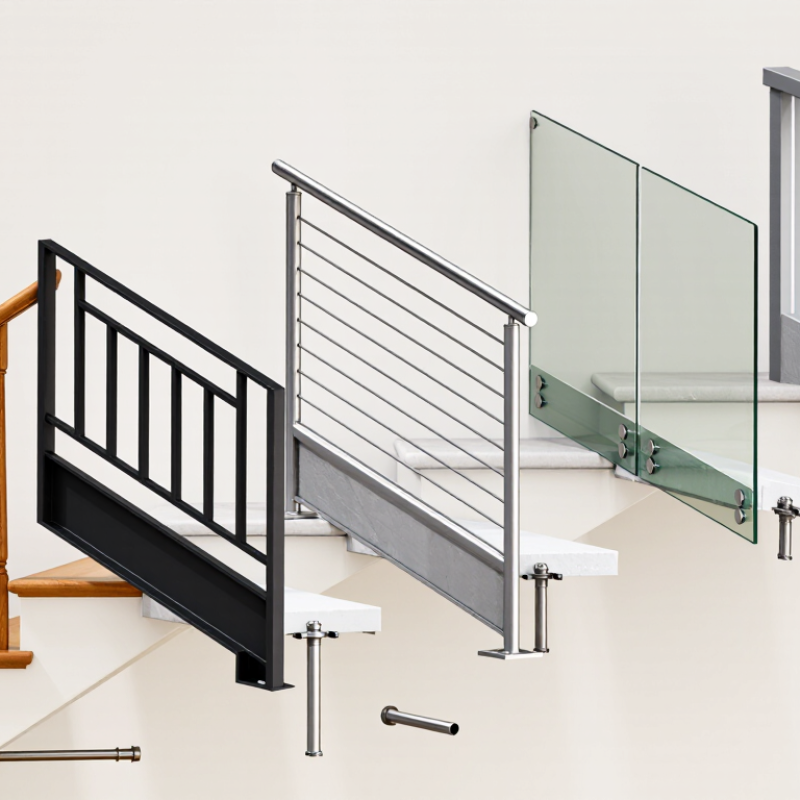
Stair railing kits are best classified by material, construction, and installation location. The main types include wood, metal, cable, glass, and wall-mounted systems. Wood kits suit traditional interiors and can be cut easily on site. Metal kits provide stronger visual contrast and often fit modern staircases. Cable kits use thin horizontal wires, while glass kits preserve an open sightline. Wall-mounted handrail kits work well beside narrow stairs.

Classification also depends on the railing’s installation method. Post-and-rail kits need floor-mounted posts and require accurate spacing. Surface-mounted systems attach to finished floors, while side-mounted systems connect to stair stringers or walls. The 2023 International Residential Code generally requires residential handrails at 34 to 38 inches above stair nosings. It also uses 4-inch sphere criteria for many guard openings. Local review remains necessary because requirements can differ.

Tips: Measure every tread, not only the first and last. Check the wall structure before choosing a wall-mounted kit. A decorative system may still feel loose if its anchors miss solid framing. I once considered cable railing universally safer; that view was too simple. Cable tension needs regular inspection. The Harvard Joint Center for Housing Studies reported roughly 472 billion dollars in annual homeowner improvement spending in 2022, showing why adaptable retrofit kits matter. Yet installation quality often matters more than the kit category.
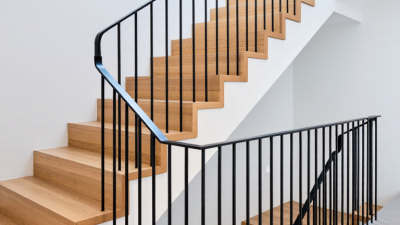
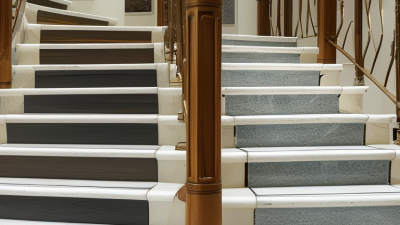
What Are the Top Types of Stair Railing Kits?

Stair railing kits are commonly classified by their infill or railing material. The chart compares the typical number of core components used in each kit type, including rails, posts, infill elements, connectors, and mounting hardware. Glass and cable systems generally require additional specialized components for secure installation.

Wood Stair Railing Kits for Traditional and Warm Interiors

Wood stair railing kits suit traditional homes because they add warmth without competing with aged floors, painted trim, or soft lighting. Common options include oak, maple, pine, and walnut-look finishes. Square balusters create a cleaner profile, while turned spindles feel more classic. The National Association of Home Builders reported a Remodeling Market Index score of 65 in late 2023, showing continued remodeling activity above the growth threshold. That demand supports practical, adaptable railing solutions.

A good kit should include the handrail, brackets, balusters, connectors, and clear installation guidance. Measure the stair angle carefully. Small errors become obvious at the newel post. I have found that unfinished wood allows better color matching, but it also exposes rushed sanding. Wood moves with humidity, so tight joints can loosen or crack over time. Check local building requirements for handrail height, spacing, load resistance, and returns before cutting. Compliance should never depend on appearance alone.

Tips: Choose a handrail with a comfortable, continuous grip. Test a sample finish beside the staircase during daylight. Leave room for seasonal movement. Do not assume every kit fits every stair width. A slightly imperfect grain pattern can look authentic, but uneven baluster spacing usually appears careless. Recheck the layout before drilling, especially in older homes where floors and walls may not be level.

What Are the Top Types of Stair Railing Kits? - Wood Stair Railing Kits for Traditional and Warm Interiors

Railing Kit Type Typical Wood Options Best Interior Style Key Characteristics Common Installation Use Maintenance Considerations
Traditional Wood Baluster Kit Oak, maple, poplar, or pine Traditional, cottage, farmhouse, and transitional interiors Combines a wood handrail, vertical balusters, newel posts, and fitting components for a classic, visually substantial appearance. Straight stair runs, landings, and standard residential staircases Requires periodic dusting and refinishing or touch-up when the finish becomes worn.
Modern Wood and Metal Kit Hardwood handrail with steel or aluminum components Modern, industrial, Scandinavian, and transitional interiors Pairs the warmth of wood with slim metal spindles, rods, or brackets to create a lighter and more contemporary profile. Open-plan staircases and remodels requiring a mixed-material design Wood may need refinishing, while metal should be cleaned with a non-abrasive cloth to protect its coating.
Wood Handrail and Glass Infill Kit Oak, walnut, maple, or other finished hardwoods Contemporary, minimalist, and light-filled interiors Uses transparent or translucent safety glass panels instead of closely spaced balusters, preserving sightlines around the staircase. Wide stair openings, modern renovations, and spaces where visual openness is important Glass needs regular cleaning to remove fingerprints; wood care depends on the applied finish.
Wall-Mounted Wood Handrail Kit Oak, ash, beech, or pine Minimalist, compact, traditional, and utility-focused interiors Includes a continuous handrail and wall brackets, without a separate balustrade on the wall side. Narrow stairways, basement stairs, hallways, and secondary access routes Check bracket tightness periodically and keep the handrail dry to reduce surface deterioration.
Continuous Wood Stair Rail Kit Oak, walnut, cherry, maple, or laminated hardwood Traditional, elegant, and custom residential interiors Designed to follow a longer stair route, sometimes across turns or landings, with joined rail sections and matching fittings. L-shaped, U-shaped, or multi-level stair layouts Joints and transitions should be inspected for movement, especially in homes with seasonal humidity changes.
Prefinished Wood Railing Kit Oak, maple, pine, or engineered wood Quick-update, rental, transitional, and practical home interiors Factory-applied stain, paint, or clear coating reduces on-site finishing work and helps provide a consistent appearance. Replacement projects and installations with limited time for finishing Avoid harsh cleaners and repair scratches promptly to protect the factory finish.
Unfinished Customizable Wood Kit Poplar, pine, oak, maple, or other workable wood species Custom traditional, craftsman, rustic, and heritage-style interiors Can be stained, painted, trimmed, or matched to existing flooring and millwork before final installation. Restorations, bespoke staircases, and projects requiring a coordinated color Needs sanding, sealing, and periodic care appropriate to the selected stain or paint system.

Selection note: Before choosing a wood stair railing kit, verify the stair layout, handrail length, mounting surface, baluster spacing, structural fastening requirements, and applicable local building codes.

Metal Stair Railing Kits for Strength and Modern Design

What Are the Top Types of Stair Railing Kits?

Metal Stair Railing Kits for Strength and Modern Design

Metal stair railing kits offer a strong balance between safety, durability, and clean visual design. Common options include straight-run, adjustable, wall-mounted, and balcony-compatible systems. Steel kits suit busy stairways because they resist impact and repeated movement. Aluminum kits weigh less and resist corrosion, especially in humid areas. Cable railing uses slim metal cables, creating an open, modern appearance. However, cable tension needs regular inspection. A neat look can hide a loose connection.

Safety should guide the design. The World Health Organization’s Global Report on Falls states that falls cause about 684,000 fatal injuries worldwide each year. The U.S. Centers for Disease Control and Prevention reports that roughly one in four adults aged 65 and older falls annually. A stable handrail can support safer movement, particularly on narrow or frequently used stairs. The 2024 International Residential Code generally specifies handrails between 34 and 38 inches above stair nosings. Local requirements may differ, so installers should verify applicable codes. Measure twice. Drill once.

For modern interiors, powder-coated steel provides a smooth surface and broad color flexibility. Stainless steel offers a sharper finish but can cost more. The weak point is often not the railing itself. Poor anchoring, uneven posts, or incorrect spacing can reduce performance. Choose kits with clear load guidance, corrosion information, and replaceable fittings. A professional inspection is worthwhile when stairs serve children, older adults, or commercial spaces. Strength matters more than visual minimalism.

Cable and Glass Railing Kits for Open, Minimalist Views

Cable and glass railing kits are leading choices for open, minimalist stairways. Cable systems use slim stainless-steel wires between posts, preserving sightlines across a loft, deck, or split-level landing. Glass kits create an even clearer boundary, especially beside wide windows. Tempered or laminated panels resist everyday impact, while powder-coated aluminum or stainless-steel frames reduce visible bulk. Very clean.

The safety case matters more than the visual effect. The CDC reports that more than one in four adults aged 65 and older falls each year, and some falls cause serious injury. A properly designed railing provides a firm grasping surface, consistent height, and secure anchoring. Local building rules still control spacing, loads, stair geometry, and glass specifications. Check them before ordering.

Cable kits usually need accurate tensioning and periodic inspection. Wires can loosen slightly after installation. Glass needs frequent cleaning, particularly near kitchens or busy entryways. The 2024 National Association of Home Builders Housing Market Index shows buyers continue valuing practical home features, but minimalist design should not replace usability. That is where some projects go wrong. A frameless panel may look elegant, yet it can feel difficult to grasp during a nighttime descent. Experienced installers measure every tread, verify substrate strength, and test the finished rail by hand. Their judgement often matters more than the product photograph.

Choosing the Right Stair Railing Kit for Your Staircase

What Are the Top Types of Stair Railing Kits?

Choosing the Right Stair Railing Kit for Your Staircase

The best stair railing kit should match your staircase, daily habits, and installation conditions. Wood railing kits create warmth and feel comfortable under the hand. Metal kits offer a cleaner appearance and strong resistance to frequent use. Cable systems keep views open, while glass panels bring more light into narrow spaces. Each type has weaknesses, too. Glass shows fingerprints quickly, and cable systems require careful tension checks.

Measure the stair width, railing height, post spacing, and available fixing points before choosing. Uneven walls can make a standard kit frustrating to install. I once selected a compact system without checking the landing angle. The parts looked correct, but the final connection needed adjustment. That mistake reinforced one lesson: a complete measurement sketch saves time. Choose materials that suit indoor moisture, outdoor exposure, children, pets, and cleaning routines. Check the supplied hardware and confirm that it fits your wall or stair structure. A qualified installer should review difficult layouts and local safety requirements.

Tips: Test the handrail height with masking tape first. Hold a sample material while climbing. Check for sharp edges, movement, and uncomfortable joints. Do not trust appearance alone. A railing may look elegant but feel unstable. Read the installation instructions carefully, and question unclear measurements before drilling.

This website uses cookies to ensure you get the best experience. By continuing to browse on this website, you accept the use of cookies for the above purposes.