10 Best Barn Door Hardware Kits for Every Home

Barn doors can save floor space and add warmth, but the hardware determines how smoothly they work. A quiet roller, sturdy track, and well-fitted guides make a real difference in daily use. Small details matter. A track that is too short may leave part of the doorway exposed, while inadequate wall clearance can cause the door to scrape trim.

This guide to the 10 best barn door hardware kits for every home compares practical features, not just polished product photos. It looks at track length, stated weight capacity, roller style, included fasteners, finish options, and whether soft-close parts are available. Looks can mislead. A kit may appear complete yet lack the floor guide or spacers your doorway needs.

Before choosing barn door hardware, measure the door’s width and height, then check the wall space beside the opening. Confirm that the mounting surface can support the track and that the kit’s rated capacity suits your door. Manufacturer specifications matter; heavier doors may require different hardware or stronger backing. Not every doorway fits. This selection can help narrow the options, but it cannot replace careful measuring or installation guidance. I would not choose a kit by appearance alone, and even a highly rated option may not suit an unusual wall or door. The right choice is the one that fits your home’s dimensions, materials, and everyday needs.
10 Best Barn Door Hardware Kits for Every Home

Understanding Barn Door Hardware Kits and Their Uses

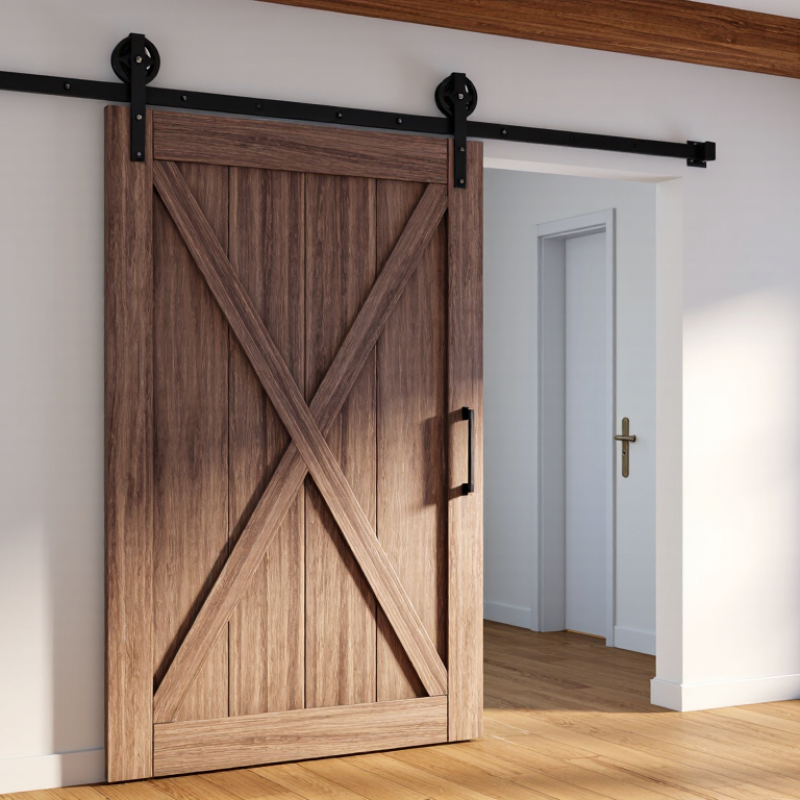
Barn door hardware kits turn a sliding slab into a practical room divider. Most kits include a track, rollers, stops, floor guide, and mounting hardware. The track carries the door’s weight, so it must attach to wall studs or a suitable header—not just drywall. A single-door kit works for one opening; a bypass kit lets two doors slide past each other. Neither seals like a hinged door, so expect some sound and light to pass around the edges. Small details matter.

The 2024 Houzz & Home Study reported that 54% of surveyed U.S. homeowners renovated in 2023, with median renovation spending of $24,000. That broader trend helps explain why homeowners compare practical upgrades, but it does not measure barn door purchases. When choosing a kit, check the door’s weight and thickness against the hardware specifications. Measure the open wall space, too: handles, trim, or nearby switches can block the door. I’ve seen a layout look clear on paper, then fail when the handle hits a light switch. That is easy to overlook.

Tips: Measure the doorway and the door, then confirm track length and wall clearance. Use the supplied floor guide to limit swinging. For heavy doors, verify the wall support before installation; instructions can be less intuitive than they appear.
Identifying the Parts That Make Up a Complete Kit

A complete barn door hardware kit begins with a track sized for the door’s width and weight. Check its stated load limit, not just its appearance. The track usually attaches to a header board or wall-mounted brackets, with lag screws or other specified fasteners. Some kits include the header board; many do not. That detail gets missed.

Rollers or hangers connect the door to the track. Look for sturdy mounting plates, smooth wheels, and bolts that match the door’s thickness. Track stops keep the door from rolling off either end, while anti-jump blocks help prevent it from lifting out of the rail. Small parts matter. A floor guide is also important: it keeps the bottom edge from swinging into the wall. Guides may be wall-mounted or floor-mounted, so check clearance around trim and flooring before choosing.

Handles are not always included, and a recessed pull may work better than a protruding one where the door passes close to a wall. Compare the kit’s fasteners with the material behind your wall; drywall alone is not suitable support for a heavy moving door. A level, drill, and tape measure are typically needed but rarely come in the box. Even with a complete kit, installation instructions can leave questions about uneven floors or old framing. Measure twice, and pause if the track cannot be anchored securely.

Parts in a Typical Single-Door Barn Door Hardware Kit

A typical kit includes one track and floor guide, plus two hangers, door stops, and anti-jump discs. The example also shows five track spacers. Actual parts and quantities vary by kit design, door size, and mounting requirements.

Choosing a Kit Based on Door Size, Material, and Style

A barn door hardware kit should match the door, not just the room’s decor. Measure the door’s width, thickness, and weight before comparing kits. The track usually needs to extend beyond the opening so the door can slide fully clear. Check the maker’s stated weight limit, and leave enough wall space beside the opening. A tape measure can help, but uneven floors and trim may complicate the fit. Measure twice. Still, measurements alone may not reveal every clearance issue.

Door material affects both weight and mounting. Solid wood doors are often heavier than hollow-core doors, so their tracks and fasteners need suitable load ratings. For drywall, locate wall studs or install a properly rated backing board; attaching a loaded track to drywall alone is not dependable. Glass doors need hardware designed for glass, with compatible clamps and careful installation. If the door’s weight or wall construction is unclear, ask a qualified installer to assess it.

Style should work with the door’s finish and the room’s use. Matte black hardware creates contrast against pale wood, while brushed metal can feel quieter in a bright kitchen. Rustic wheels may suit a farmhouse interior, but exposed rollers collect dust and need occasional cleaning. Check handle clearance, too: a projecting pull can catch on nearby trim. I once underestimated that detail, and the door never opened as freely as expected. A small flaw, but worth reconsidering before purchase.

10 Best Barn Door Hardware Kits for Every Home - Choosing a Kit Based on Door Size, Material, and Style

Kit Type Best For Typical Door Size Common Materials Style and Finish Key Selection Checks
1. Standard Single-Door Kit Most interior openings, such as bedrooms or pantries Commonly 30–36 in. wide; track is often about twice the door width Steel track and hangers; wood or engineered-wood door sold separately in many kits Straight rail; typically black, bronze, or stainless-look finishes Confirm track length, door thickness range, wall clearance, and included floor guide.
2. Compact Kit for Narrow Doors Closets, utility cupboards, and small alcoves Often suited to doors around 24–30 in. wide, subject to the opening Usually steel hardware paired with a lightweight wood door Simple, space-conscious rail with a minimal finish Check that the door fully covers the opening and that the handle clears nearby trim.
3. Heavy-Duty Single-Door Kit Large, solid-core, or otherwise heavier doors Commonly 36–42 in. wide; select by the door’s actual weight Thicker steel track and reinforced hangers; door material varies Industrial or contemporary appearance, often in a dark finish Verify the kit’s stated load rating, mounting requirements, and suitable wall or header support.
4. Double-Door Bypass Kit Closets or openings where doors need to overlap on parallel tracks Two doors; size the system to the opening and required overlap Steel tracks, hangers, and spacers; doors commonly wood or composite Practical, space-saving design with a clean modern look Check track spacing, door overlap, opening access, and whether both tracks are included.
5. Double-Door Split Kit Wide rooms or central openings where doors slide away from each other Two doors sized to cover the opening, with track space for both panels Steel rail and hangers; compatible door materials depend on the kit rating Balanced, symmetrical look suited to traditional or modern interiors Measure the full wall span and confirm the kit includes hardware for two doors.
6. Soft-Close Kit Bedrooms, bathrooms, and other frequently used spaces Available for various widths; match the mechanism to the door weight Steel track with a compatible soft-close mechanism Usually a standard rail with added closing dampers Check whether soft-close hardware is included, compatible with the door, and fitted on one or both ends.
7. Stainless-Steel Kit Contemporary interiors or locations where corrosion resistance is a priority Choose rail length and capacity to match the door and opening Stainless steel components; door is typically purchased separately Bright, clean-lined appearance that pairs well with modern decor Confirm the actual material grade and suitability for the intended indoor or outdoor environment.
8. Rustic Strap-Hanger Kit Farmhouse, cottage, and traditional-style rooms Commonly used with standard interior door widths; check the track-to-door match Steel rail and decorative steel hangers; often paired with wood doors Visible strap hardware, often in a matte dark or aged-metal look Check hanger dimensions, door-edge clearance, and whether the finish is suitable for your setting.
9. Low-Profile Modern Kit Minimalist spaces where discreet hardware is preferred Select for the door width and weight; clearances vary by rail design Steel or aluminum components, depending on the system Slim rail and understated brackets, often in neutral finishes Review wall clearance, door-to-wall gap, and the system’s rated capacity before choosing.
10. Outdoor-Rated Kit Covered exterior openings, sheds, or spaces exposed to humidity Size according to the outdoor door panel and opening; allow for required clearances Corrosion-resistant metal hardware; door material should also suit outdoor conditions Functional, durable styling with weather-conscious finishes Look for explicit outdoor-use guidance and confirm that the door, fasteners, and finish are weather-appropriate.

Note: Specifications vary by kit. Measure the door and opening, check the manufacturer’s load rating and compatibility requirements, and provide suitable structural support for the track. A track approximately twice the door width is a common starting point for a single sliding door, but the opening layout and desired overlap can change the required length.

Comparing Ten Barn Door Hardware Kits for Different Homes

A useful comparison of ten barn door hardware kits begins with the opening, not the finish. A basic single-door kit suits a bedroom or pantry with clear wall space. A compact kit can work in a narrow hallway, though its shorter track limits door width. A rustic-style kit adds visible character, but exposed rollers may collect dust. Soft-close hardware reduces slamming near sleeping areas. Check that its closing mechanism matches the door’s weight.

For wider openings, a double-door kit needs two aligned tracks and room for both panels to move. A bypass kit saves wall space by letting doors pass each other, but reduces the opening width. Heavy-duty hardware supports heavier doors only when the wall and fasteners are suitable. A concealed-track kit gives a cleaner look, yet installation can be less forgiving.

Measure twice. Small errors show.

Glass-compatible hardware needs fittings designed for the specific panel, not assumptions based on wood doors. An exterior-rated kit may resist weather better, but the door, seals, and surrounding structure matter too. Compare track length, stated weight capacity, included floor guides, and installation requirements across all ten options. One detail is easy to overlook: a barn door usually does not seal like a hinged door. Check privacy and sound needs before choosing, and verify that the track can attach securely to the wall structure.

Installing and Maintaining Barn Door Hardware Safely

A barn door can look simple, but its track carries the door’s full weight above people and furniture. Check the wall structure, door weight, clearances, and hardware instructions before drilling. Drywall alone is not a secure anchor; locate framing or install a suitable structural header. Use a stud finder, eye protection, and a stable work platform. Keep children and pets away from the work area. Measure twice. A second adult should help lift and position the door, especially when it is wide or heavy.

Height deserves respect. The U.S. Bureau of Labor Statistics reported 395 fatal falls, slips, and trips in construction in 2022. That figure covers construction work broadly, not barn-door installation, but it shows why stable access and careful work matter. After installation, check that track fasteners are tight and rollers remain seated. Open and close the door slowly, listening for scraping or rattling. Inspect stops, floor guides, and anchors periodically, and tighten or replace parts according to the hardware instructions. I would not assume a door is safe just because it still moves; looseness can be easy to miss. If the wall flexes, an anchor shifts, or the track bends, stop using the door until the cause is corrected.

This website uses cookies to ensure you get the best experience. By continuing to browse on this website, you accept the use of cookies for the above purposes.