China Top 10 Stair Baluster Manufacturers for Global Buyers
Choosing a stair baluster supplier involves more than comparing catalog photos. Global buyers must consider material options, finish consistency, dimensions, customization, and communication. This guide introduces ten China-based manufacturers for buyers exploring stair balusters for residential, commercial, or hospitality projects. The aim is practical comparison, not a promise that one supplier suits every job.
A useful review looks at product range, stated quality controls, production capabilities, export experience, and the clarity of each company’s information. Buyers should also request current specifications, finish samples, packaging details, and written confirmation of lead times. Small details matter. A glossy image cannot show how a coating feels, or how carefully a component is packed for a long journey. When possible, compare quotations using the same dimensions, materials, and order quantities. That makes differences easier to understand.
The manufacturers featured here may vary in scale and specialization. Some may focus on metal components, while others offer broader staircase products or custom fabrication. Their suitability depends on project requirements, budget, and the level of support needed. No shortlist is perfect. Company information can change, and a promising profile still needs direct verification. Treat this overview as a starting point, then confirm samples, production details, and delivery terms with each shortlisted supplier before making a purchasing decision.
What Stair Balusters Are and How They Are Used
What Stair Balusters Are and How They Are Used
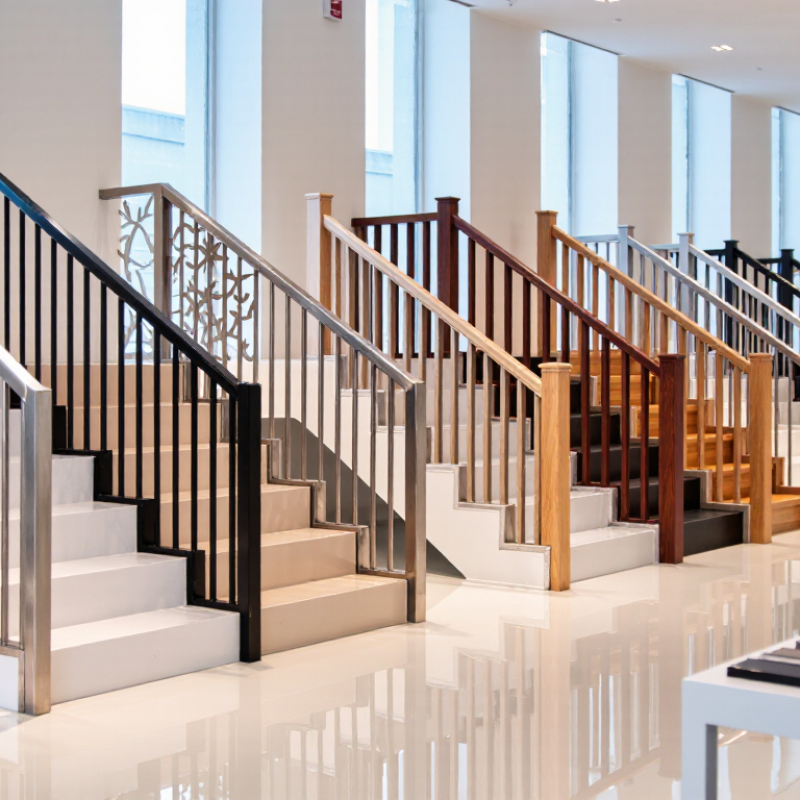
Stair balusters are the upright members fitted between a handrail and a stair tread or base rail. Together, they help form a barrier along staircases, balconies, and landings. They also shape the look of a space, whether made from painted wood, stainless steel, or another suitable material. Small details matter. Their spacing, height, and fixings affect both appearance and safety. Requirements vary by location, so buyers and installers should check applicable building rules and product instructions before choosing a design.
On a staircase, balusters follow the angle of the handrail, while landing sections are usually level. Accurate measurements help avoid uneven gaps or awkward cuts. Installers should consider the stair’s structure, the handrail profile, and how each baluster will be secured. A loose fitting can move under pressure. Not always obvious. After installation, check for movement and inspect exposed finishes for scratches or moisture damage. Glass infill is another option, though it is generally part of a larger guard system rather than an individual baluster. The right choice depends on the setting, upkeep, and how the stairs are used—not appearance alone.
How to Evaluate Chinese Stair Baluster Manufacturers
Choosing among China’s stair baluster manufacturers takes more than comparing catalog prices. Start with the project’s actual needs: indoor or outdoor use, expected traffic, finish, dimensions, and fixing method. Ask for material specifications, dimensional tolerances, surface-treatment details, and packaging photos. A sample should match the production finish, not merely look good under showroom lighting. Small gaps matter.
Check whether the manufacturer can explain its inspection process and share relevant records, such as batch checks or corrosion-test results when applicable. Confirm who measures the opening, verifies drawings, and approves changes before production. Request a written quotation that separates product, tooling, packing, and freight assumptions. Compare like with like; a low price may omit a necessary component. A video call helps, but it cannot replace a physical sample. A polished catalog is not proof.
Tips: Send each candidate the same marked-up drawing and checklist. Confirm dimensions, material grade, finish, lead time, and defect remedies in writing. Keep a dated sample and approval record. If answers stay vague, pause. Even careful checks cannot remove every risk.
Profiles of 10 Chinese Stair Baluster Manufacturers
The ten profiles compare Chinese stair-baluster manufacturers through practical details: material options, fabrication methods, finish choices, customization, and export experience. China’s National Bureau of Statistics reported construction-industry output of about RMB 31.6 trillion in 2023, up 5.8% year on year. That scale helps explain the depth of the country’s building-products supply chain, but it does not prove that any individual factory makes reliable balusters.
Material capability still matters. World Steel Association data recorded 1,019.1 million tonnes of crude steel production in China in 2023. This is useful context for buyers considering steel components, not a direct measure of baluster quality. The profiles therefore focus on verifiable production details, such as sample finishes, post dimensions, welding consistency, and packaging for transit. Details matter. A neat catalogue is not proof of consistent production, and a supplier’s stated capacity may not reflect every order. Buyers should request current specifications and inspect samples where possible. These comparisons offer a starting point, not a substitute for technical checks.
Stair Guard Opening Test: Selected Residential Code References
A practical safety reference for global stair baluster buyers: compare the opening-test sphere diameters used in selected residential guidance.
The U.S. International Residential Code uses a 4-inch (101.6 mm) sphere for specified guard openings; England’s Approved Document K uses a 100 mm sphere for relevant guarding provisions. Requirements and exceptions vary by location and application, so confirm the applicable local code before specifying or installing balusters.
Comparing Materials, Production Capabilities, and Export Services
When comparing China’s top 10 stair baluster manufacturers, look beyond catalog photos. Materials shape durability, appearance, and installation needs. Stainless steel suits clean, modern interiors, while wrought iron allows more decorative profiles. Aluminum is lighter, but coating quality deserves close inspection. Wood can add warmth, though moisture and finish consistency matter. Details matter.
Production capability is more than machine count. Ask whether a supplier can maintain consistent dimensions across repeat orders, produce custom patterns, and share inspection records. A sample may look excellent while a large batch varies slightly; this is easy to overlook. Compare sample approval, production timelines, packing methods, and experience preparing export documents. Clear answers are more useful than broad promises.
Tips: Request material specifications, finish samples, and packaging photos. Confirm carton protection for long balusters, then clarify lead times and who handles shipping coordination. Ask how defects are recorded and resolved. A low quote can leave gaps in these details, so compare the full offer, not just the unit price.
How Global Buyers Can Verify Suppliers and Plan Procurement
Global buyers comparing China’s stair baluster manufacturers should verify production capability, not just catalog images. Request a current factory profile, business documentation, material specifications, and dated photos of the actual production line. For metal balusters, compare alloy or steel grades, wall thickness, finish consistency, and measured dimensions against the approved drawing. Ask for independent test reports relevant to the project, and confirm that the tested sample matches the product being quoted. A video call can help, but it cannot replace inspection. Small details matter.
Procurement planning should account for shipping uncertainty. UNCTAD’s Review of Maritime Transport 2024 reports that seaborne trade grew 2.4% in 2023 and projects 2.0% growth for 2024. These figures describe global shipping, not baluster lead times, but they support building schedule buffers. Approve a physical sample before bulk production, document tolerances and packaging, and agree on inspection points, payment milestones, and remedies for nonconforming goods. A missed detail here can delay installation.
Tips: Compare at least three written quotations on identical specifications. Ask each supplier to confirm production and inspection dates in writing. Keep one sealed approval sample. Recheck carton labels and dimensions before dispatch. I would still allow extra time; estimates can be optimistic.