How to Choose Metal Stair Railing in 2026?
Choosing a metal stair railing in 2026 involves more than matching a finish to your staircase. It affects safety, comfort, maintenance, and the visual character of your home or commercial space. A polished railing may look impressive in a showroom. However, it can reveal fingerprints, scratches, and poor grip under daily use.
John Templer, author of The Staircase: Studies of Hazards, Falls, and Safer Design, emphasized a practical principle: “Stairs should be designed for people, not merely for movement.” This idea remains valuable when comparing stainless steel, aluminum, and powder-coated steel systems. The best metal stair railing should feel secure under the hand, remain stable at its connections, and provide clear visual guidance in changing light. Small details matter. Think about rounded profiles, cold winter surfaces, weld quality, and the distance between balusters.
The right choice also depends on location. Indoor railings face different problems than exterior systems near rain, salt, or pool chemicals. Stainless steel often suits demanding environments, while powder-coated steel can offer broader color choices. Yet no material is maintenance-free. That is easy to forget.
This guide examines strength, corrosion resistance, installation methods, design compatibility, and long-term value. It also considers current 2026 preferences, including minimalist lines and warmer metallic finishes. Some recommendations may not fit every project. Building conditions, user needs, and local requirements still deserve professional review. A beautiful railing can be a poor choice if it feels slippery, weak, or difficult to maintain.
Define Your Stair Railing Needs and Project Requirements
How to Choose Metal Stair Railing in 2026?
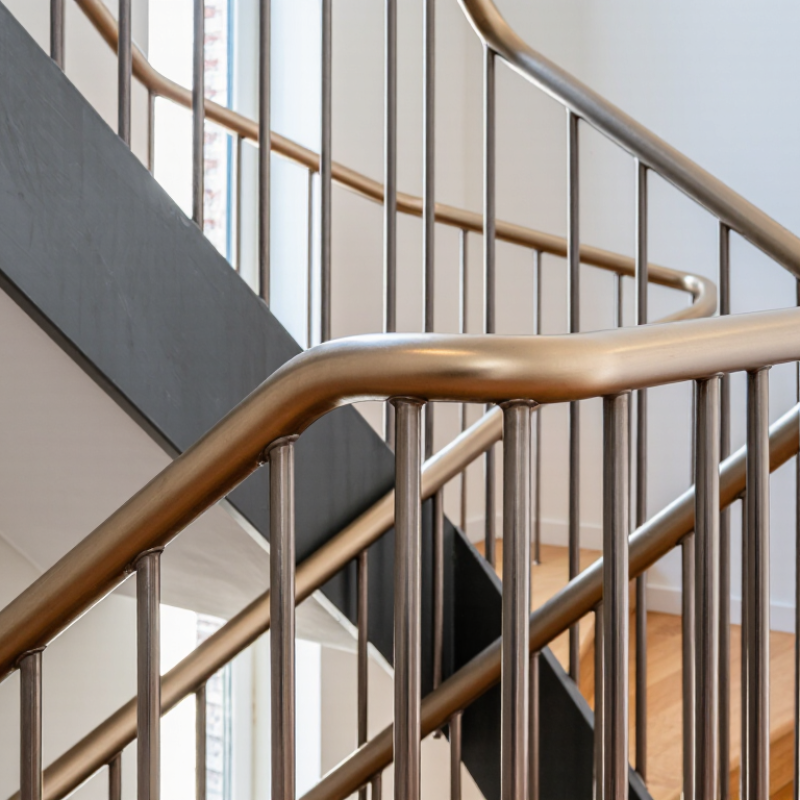
Define your stair railing needs before comparing metal finishes or decorative details. Measure stair width, tread depth, riser height, landing space, and available wall clearance. Measure twice. A small error can affect the entire installation. Decide whether the railing will support daily family use, occasional guests, or heavier traffic. Children, older adults, and pets may need safer spacing and easier gripping shapes.
Check the project environment carefully. Indoor stairs may suit painted steel or aluminum, while damp entrances often require stronger corrosion protection. Consider sunlight, rain, coastal air, cleaning routines, and temperature changes.
A smooth, rounded handrail usually feels more comfortable than a sharp-edged profile. Select a finish that remains visible under your actual lighting, not only in a showroom.
Review local building requirements before ordering materials. Requirements may cover railing height, opening sizes, handrail continuity, and structural loads. A qualified installer or structural professional should verify anchor points and the supporting wall or floor. Keep product specifications, material grades, finish information, and maintenance instructions in one file. My first site survey once missed a projecting trim piece, which changed the mounting position. That mistake was avoidable. Leave room for inspection, adjustment, and future repairs instead of designing only for appearance.
Compare Metal Types, Finishes, and Long-Term Durability
How to Choose Metal Stair Railing in 2026?
Compare Metal Types, Finishes, and Long-Term Durability
Choosing metal stair railing starts with the environment, not appearance. Stainless steel suits humid interiors and coastal air because it resists rust effectively. Aluminum is lighter and easier to install, but it can dent under heavy impact. Galvanized steel offers strong structural performance, especially outdoors, where its zinc coating slows corrosion. Wrought iron creates a substantial, traditional look. However, it needs careful coating maintenance.
Finish quality matters as much as the metal beneath it. Powder coating provides an even color layer and protects against everyday scratches. Brushed stainless steel hides fingerprints better than a polished surface. A textured finish can improve visual depth, but it may collect dust in detailed patterns. Check corners, welds, and cut edges closely. These areas often reveal weak preparation.
Durability depends on maintenance and installation details. Railing exposed to rain needs sealed joints, suitable fasteners, and drainage around base plates. Indoor railings still collect skin oil, cleaning residue, and fine dust. Wipe them with a soft cloth and a mild cleaner. Avoid abrasive pads. They can leave permanent marks.
A common mistake is comparing prices before comparing coating thickness and connection quality. That shortcut can become expensive. One railing may look excellent during installation but age poorly near a wet entrance. Review the warranty terms, cleaning requirements, and local building standards before choosing. Measurements also deserve a second check. Small errors become noticeable on every stair.
Choose a Railing Style That Fits Your Home and Staircase
How to Choose Metal Stair Railing in 2026?
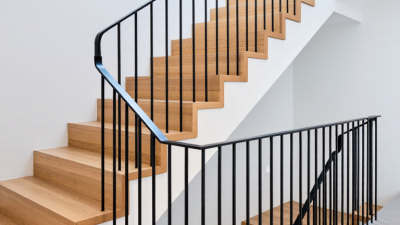
Choose a railing style that matches your home, not just the latest trend. A slim black steel railing suits modern interiors with glass, concrete, or pale oak. Wrought-style metal feels warmer in traditional homes, especially beside dark wood stairs. In a narrow staircase, vertical bars can create a lighter visual rhythm. Horizontal rails may look wider, but they can feel less suitable for homes with young children. The U.S. Consumer Product Safety Commission reports that more than one million people receive treatment for stair-related injuries each year. Safety must shape the design.
Measure the stair width, landing, wall color, and natural light before choosing the finish. Matte surfaces hide fingerprints better than polished metal. Powder-coated finishes usually handle daily contact well, but poor installation can still create weak joints. Local building rules may control handrail height, spacing, returns, and wall clearance. Check them before ordering. The 2024 International Residential Code remains a useful professional reference, though local adoption can differ. I have seen attractive railings feel wrong when their profiles are too heavy for small steps. That mistake is easy to underestimate.
Tips: Use painter’s tape to outline the railing profile on the wall. View it from the bottom and top steps. Compare samples beside your flooring. Leave room for imperfect judgment. A design can be technically correct and still feel uncomfortable.
How to Choose Metal Stair Railing in 2026?
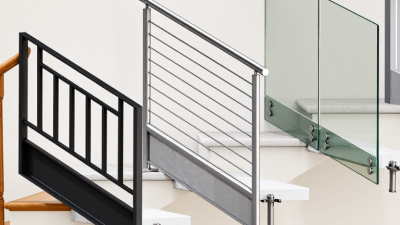
Choose a railing style that fits your home and staircase by checking the key dimensions first. These common U.S. residential and commercial reference measurements can help you compare modern, traditional, industrial, and minimalist metal railing designs.
Residential stair handrails are commonly installed 34–38 inches above the stair nosing. Residential guards are commonly 36 inches high, while commercial guards are commonly 42 inches high. Openings in guards and balustrades are commonly limited to less than 4 inches. Always confirm the requirements with your local building authority before installation.
Evaluate Costs, Maintenance, and 2026 Design Trends
In 2026, choosing metal stair railing requires more than comparing material prices. Start with the total installed cost, not the rail price. Material, fabrication, delivery, anchors, and labor can change the final figure sharply. Stainless steel usually costs more upfront, while galvanized steel often offers a practical balance. Aluminum is lighter, but it may feel less substantial on a busy staircase. Ask for an itemized quote.
Maintenance depends heavily on location and finishing quality. In coastal air, rinse exposed metal regularly to remove salt deposits. Powder-coated surfaces need gentle cleaning, not abrasive pads that create hidden scratches. Inspect welds, fasteners, and wall connections twice a year. I have seen minor rust around poorly sealed joints become an expensive repair. That small gap matters. Local building requirements should also guide baluster spacing, handrail height, and load performance.
Current 2026 designs favor slim profiles, vertical lines, and warmer metallic finishes. Matte black remains popular, but bronze, champagne, and muted silver can soften a cold interior. Integrated LED lighting is gaining attention on open-riser stairs, especially where evening visibility matters. Mixed materials, such as metal with timber or glass, create contrast without excessive decoration. Yet trend-led choices can age quickly. A beautiful finish may also show fingerprints more than expected. Choose samples under daylight and warm indoor lighting before approving fabrication.