As homeowners plan renovations for 2026, stair railing design is becoming more purposeful and personal. Current trends combine visual simplicity, practical safety, and durable materials. That balance matters. A stylish railing should support daily movement, guide children, and remain comfortable for older adults.
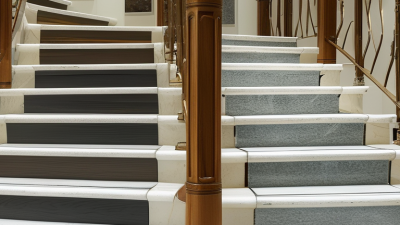
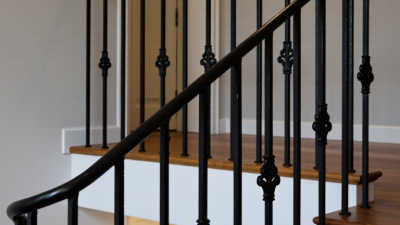
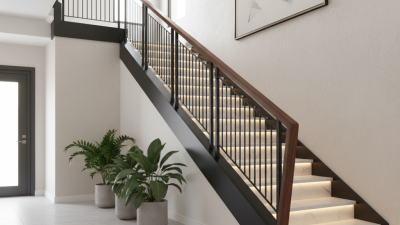
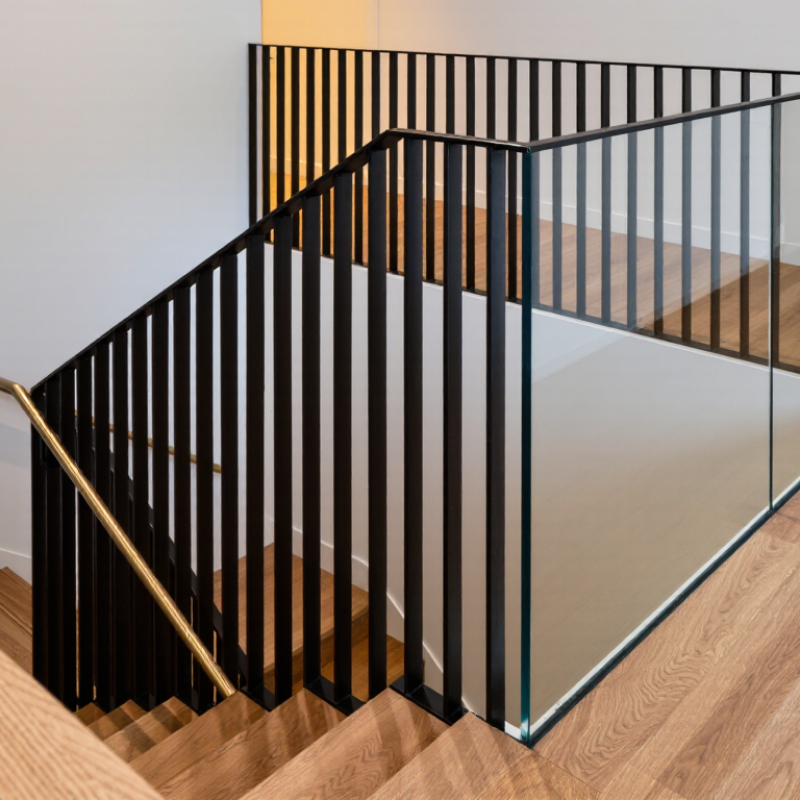
This guide examines slim metal profiles, warm timber handrails, glass panels, and mixed-material combinations. Matte black remains popular because it frames pale walls and natural flooring clearly. Brushed brass adds warmth beside walnut steps. Clear glass can brighten narrow stairwells, although fingerprints demand regular cleaning. Textured wood offers a softer touch and reveals natural grain beneath hallway lighting. Details matter.
Real-world experience should guide every choice. A stair railing must feel secure, not merely photograph well. Local building codes can affect height, spacing, grip size, and installation requirements. Qualified contractors can check these details and review manufacturer specifications before work begins. Strong fixings, accurate measurements, and suitable wall support are essential. Small errors can become daily annoyances.
Some predictions will age poorly. That is normal. Trends change faster than homes do, and not every popular finish suits every household. I may favor minimalist rails, yet a family with muddy shoes may need a tougher surface. This outline compares attractive options with maintenance demands, budget concerns, and long-term usability. It also questions whether each 2026 trend improves the stairway or simply makes it look newer.
By 2026, stair railing design will focus on tactile comfort, visual lightness, and safer movement. Houzz’s 2024 U.S. Houzz & Home Study reported a median renovation spend of $24,000 in 2023. That investment encourages homeowners to treat railings as lasting architectural elements, not minor hardware.
Slim metal profiles, warm timber, and clear panels will remain popular. Yet appearance cannot replace grip quality. Rounded handrails feel better under the palm, especially on long stair runs. The 2024 International Residential Code generally requires handrails between 34 and 38 inches high. It also addresses graspability and baluster openings. Local approval still matters. Codes vary.
Comfort becomes more important with age. A 2024 AARP Home and Community Preferences Survey found that 75% of adults aged 50 and older want to remain in their current homes. This supports continuous handrails, stronger contrast, and low-glare finishes. Matte surfaces can reduce distracting reflections near windows. I have seen designers overlook the first step. That mistake is surprisingly common. A visually attractive railing may still feel cold, slippery, or difficult to follow at night. Integrated lighting can help, but excessive brightness may create glare. The better 2026 approach is quieter: dependable support, clear edges, honest materials, and details that work when the user is tired.
What Are the 2026 Top Stair Railing Trends?
In 2026, modern stair railings are moving toward warmer materials and quieter finishes. Natural oak and ash add visible grain without making narrow halls feel heavy. Their clear, low-sheen coatings preserve texture and hide small fingerprints better than glossy varnish. Moisture-prone entryways need sealed timber and careful edge treatment. Small details matter.
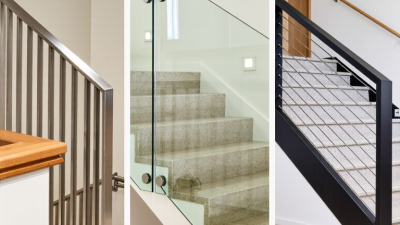
Metal remains popular, especially steel and aluminum with powder-coated surfaces. Matte black still suits minimalist interiors, but soft bronze and muted graphite create a less predictable look. Brushed finishes can disguise light scratches, while polished metal shows every mark. That difference becomes obvious in busy homes. Glass panels provide openness, although regular cleaning may challenge the idea of low maintenance.
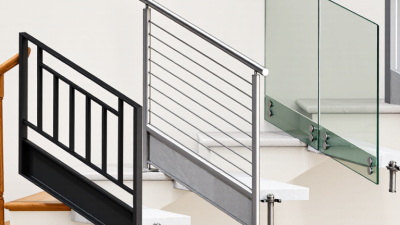
Mixed-material railings are gaining attention. A timber handrail over slim metal supports feels warmer than an all-metal system. Cable infill creates a light appearance, but installers must check tension, spacing, and local safety requirements. These details are not decorative choices alone. They affect daily comfort and long-term reliability. In renovation planning, I would not choose a finish from a sample card only. Lighting changes its color, and a hallway can make bronze look almost brown. A test section is wiser, even when it slows the project. Powder coating also deserves inspection for consistent coverage around joints and mounting points. Erotiske
What Are the 2026 Top Stair Railing Trends?
Comparing Minimalist, Sculptural, and Nature-Inspired Styles
In 2026, stair railings are becoming quieter, bolder, or more organic. Minimalist designs use slim profiles, clear panels, and calm colors. They keep narrow hallways visually open. Sculptural railings take a different approach. Curved timber, twisted metal, and asymmetrical forms can make the staircase feel like functional art. However, dramatic shapes may compete with nearby furniture and lighting.
Nature-inspired styles bring warmth through rounded wood, textured finishes, and branch-like details. These railings often feel comfortable under the hand, especially on long staircases. In my experience, tactile comfort matters more than photographs suggest. A beautiful surface can still feel awkward if its grip is too wide or cold. Local building requirements should also guide spacing, height, strength, and installation. A qualified professional can verify these details before fabrication.
Tips: Match the railing with the staircase’s daily use. Choose minimalist lines for compact spaces. Select sculptural details when the stairwell is a focal point. Use natural materials where warmth matters. Test samples under daylight and evening lighting. Do not trust appearance alone. I would also leave room for revision; trends change, but safe proportions and comfortable hand contact remain dependable.
A practical comparison of visual character, materials, spatial effect, maintenance, and application for contemporary residential interiors.
| Comparison Dimension | Minimalist Clean lines and visual restraint | Sculptural Statement-making form and detail | Nature-Inspired Organic textures and natural references |
|---|---|---|---|
| Core Design Idea | Reduce the railing to essential lines, simple geometry, and uninterrupted surfaces. | Turn the railing into an architectural focal point through curves, custom profiles, layered forms, or artistic repetition. | Bring visual warmth indoors with timber, natural textures, earthy colors, botanical motifs, and irregular organic shapes. |
| Common Material Choices | Powder-coated steel, stainless steel, clear or low-iron glass, slim timber, and painted metal. | Formed steel, bent timber, laminated wood, textured metal, cast components, and curved glass. | Solid timber, bamboo-based materials, stone accents, forged or patinated metal, woven details, and textured glass. |
| Typical Color Direction | White, black, charcoal, soft gray, natural oak, and other low-contrast neutrals. | Deep charcoal, bronze, brass tones, dark wood, and carefully selected accent colors. | Warm oak, walnut, clay, sand, olive, moss, terracotta, and muted natural greens. |
| Visual Openness | ★★★★★Very high Thin profiles and glass panels preserve sightlines and daylight. |
★★★☆☆Moderate Solid or layered forms can create stronger visual weight. |
★★★★☆High to moderate Open balusters keep the view clear, while timber or woven elements add density. |
| Best Spatial Effect | Makes compact staircases feel lighter, calmer, and less visually crowded. | Creates a memorable centerpiece and gives a large or open stair hall stronger identity. | Adds warmth and tactile contrast to modern interiors dominated by hard, smooth surfaces. |
| Maintenance Profile | Generally straightforward; glass requires frequent cleaning, while smooth metal is easy to wipe down. | Moderate to high; complex joints, textured surfaces, and curved elements may collect dust and require careful cleaning. | Moderate; timber may need protection from moisture and sunlight, and textured materials need gentle cleaning. |
| Suitable Interior Styles | Contemporary, Scandinavian, Japandi, modern industrial, and compact urban homes. | Luxury contemporary, gallery-inspired, transitional, modern classic, and architect-designed interiors. | Biophilic, organic modern, rustic contemporary, coastal, Japandi, and warm minimalist interiors. |
| Lighting Compatibility | Works well with concealed LED strips, wall washers, and daylight-focused layouts. | Benefits from directional lighting that emphasizes curves, shadows, texture, and craftsmanship. | Pairs well with warm-white lighting, natural daylight, and indirect illumination that highlights texture. |
| Customization Potential | Moderate; the look depends mainly on proportion, spacing, finish, and junction details. | Very high; profiles, curves, baluster rhythms, and handrail geometry can be individually developed. | High; timber species, grain direction, organic patterns, finishes, and mixed-material combinations can be tailored. |
| Primary Design Advantage | Timeless appearance with strong compatibility across different room finishes. | Creates a distinctive architectural feature rather than treating the railing as a purely functional element. | Improves perceived warmth, tactility, and connection with natural materials. |
| Potential Design Challenge | Small errors in alignment, proportion, or detailing are highly visible because the design is so restrained. | Can overpower the room or become visually dated if the form is overly elaborate. | Natural materials may vary in color, grain, and texture, so samples and finish coordination are important. |
| Best Choice When... | The priority is openness, simplicity, easy coordination, and a visually quiet staircase. | The staircase is intended to function as a central architectural or artistic feature. | The interior needs more warmth, texture, material character, or a stronger connection to nature. |
| Safety and Compliance Note | Regardless of style, stair railings, handrails, baluster spacing, guards, glass specifications, and mounting details should comply with the applicable local building and accessibility codes. | ||
The comparison describes common design characteristics and relative performance tendencies. Actual suitability depends on the staircase configuration, material specifications, installation quality, cleaning conditions, and local regulations.
In 2026, stair railings are becoming slimmer, warmer, and more visually integrated. Wood, metal, and glass combinations create cleaner interiors without making stairs feel cold. However, appearance should never replace safe movement. A narrow profile may look elegant, yet it can be uncomfortable for older users or people with limited grip strength. I have seen beautiful staircases become difficult to use because the handrail was mounted too low or interrupted near a landing.
Safety and accessibility begin with a continuous, easy-to-grasp handrail. It should provide stable support while ascending and descending. The railing must also resist expected loads and prevent dangerous openings between balusters. Building requirements vary by location, occupancy, and stair design. Always check the current rules adopted by your local authority. A qualified designer or building inspector can confirm details such as height, handrail extensions, lighting, and clearance. Small differences matter.
Tips: Test the railing with one hand before installation. Walk the stairs at night. Check whether children can climb the balusters. Keep step edges visible, especially where lighting creates shadows. Choose finishes that remain comfortable in cold or humid conditions. Do not assume a stylish design is compliant. Measure twice, then question the plan. Even experienced installers can overlook accessibility when focusing too heavily on appearance.
Choosing a stair railing trend starts with the room, not the showroom.
In compact apartments, slim black metal railings create visual openness and match industrial or Scandinavian interiors. Their narrow profiles preserve daylight near stair landings. This matters as remodeling remains strong: Harvard Joint Center for Housing Studies reported approximately $472 billion in U.S. homeowner improvements and repairs during 2022. In larger traditional homes, stained wood handrails feel warmer against painted walls, stone floors, and patterned runners. I have found that a railing looks different under morning and evening light. Request physical samples before approving the finish.
Open-plan interiors benefit from glass or cable infill, but transparency is not always practical. Fingerprints, reflections, and cleaning access can change the daily experience. Families with young children should consider closer spacing and safer, climb-resistant details. The 2024 International Residential Code provides specific requirements for handrail height, graspability, and opening limitations; local authorities may apply additional rules. Treat those requirements as design boundaries, not optional suggestions.
For aging-friendly spaces, choose a continuous, easy-to-grip rail with strong contrast against the wall. AARP’s 2024 Home and Community Preferences Survey found that 75% of adults aged 50 and older want to remain in their current homes. That preference supports durable, accessible railing choices. A softer trend may look less dramatic. It can still be the wiser one. Verify structure, lighting, and code compliance with a qualified installer before installation.
Minimalist metal, warm wood, glass, and mixed-material railings are shaping contemporary interiors. The chart compares practical U.S. code-based height benchmarks that help guide railing selection across different interior spaces.
Design reference: Residential stair handrails and accessible handrails are generally required at 34–38 inches. Residential guards are commonly 36 inches minimum, while guards in many public or commercial settings are commonly 42 inches minimum. Always verify local building requirements before installation.