What Is a Barn Door Kit and What Does It Include?

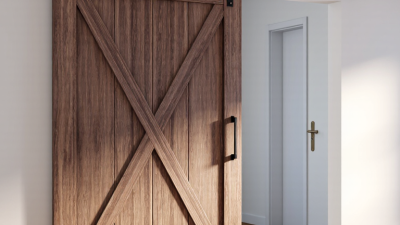
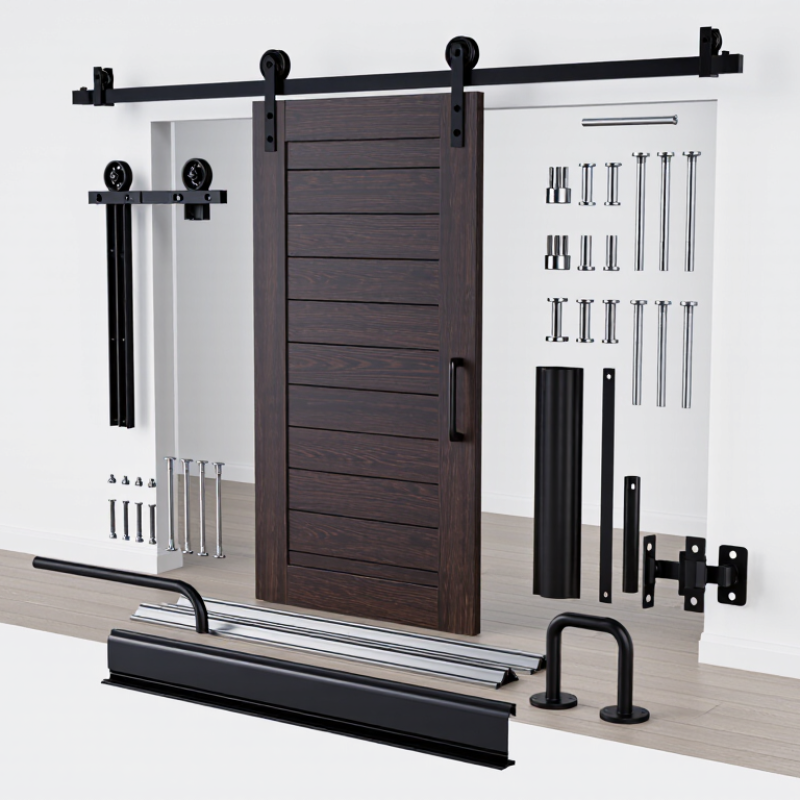
A barn door kit turns a door slab into a sliding door system. It usually includes a metal track, rollers, mounting hardware, stops, and floor guidance. Some packages add a handle, soft-close parts, or a decorative track cover. The exact contents vary, so the box list matters.

Renovation reports show why practical upgrades attract attention. Harvard’s Joint Center for Housing Studies estimated that U.S. homeowner improvement and repair spending would reach $477 billion by early 2025. Houzz’s 2024 U.S. Houzz & Home Study reported a median renovation spend of $24,000 for projects completed in 2023. These figures cover broad home improvements, not barn door kits specifically. They offer useful context, but they do not prove that a barn door is right for every room.

Measure carefully. A track needs clear wall space beside the opening, while the door must overlap it enough to cover the doorway. Check the wall structure, door weight, and hardware rating before installation. A floor guide keeps the panel from swinging; it does not support the door’s weight. One detail is easy to miss: baseboards can prevent the door from sitting close to the wall.

No verified, named barn-door-kit specialist quotation or kit-specific industry report was supplied for this introduction. Rather than invent a quote or imply unsupported market data, this guide focuses on what buyers can inspect: included parts, compatibility, measurements, and safe installation requirements. A little planning helps.
What Is a Barn Door Kit and What Does It Include?

What a Barn Door Kit Is

A barn door kit is the hardware that allows a door to slide along a rail mounted above an opening. It is not usually the door itself. Instead, it provides the parts that guide and support the door as it moves sideways, rather than swinging into the room.

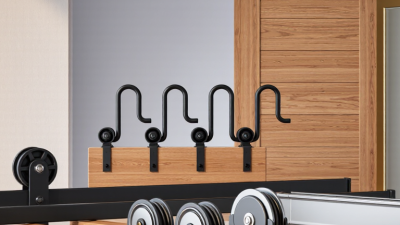
A typical kit includes a metal track, roller hangers, mounting hardware, track stops, and a floor guide. The rail carries the door’s weight. Rollers attach to the door and travel along the rail, while stops limit its movement. Some kits include a header board or handle; others require these parts to be purchased separately. Check the product specifications, especially the stated weight capacity and compatible door thickness. Small details matter.

The National Association of Home Builders reported a Remodeling Market Index score of 63 for the fourth quarter of 2024, above its 50-point threshold for positive remodeling activity. This broad industry measure does not show how many homeowners choose barn doors, but it reflects an active remodeling environment. For a specific opening, measure its width and the clear wall space beside it. A sliding door needs room to park. That requirement is easy to miss. Also confirm that the wall can support the track and door; drywall alone may not provide adequate anchoring.
The Main Components Included in a Barn Door Kit

A barn door kit usually contains the hardware that lets a sliding door travel along a wall-mounted track. The track is the long metal rail above the doorway. Rollers, often attached to hangers, carry the door along it. Check that the track length and roller capacity suit your door’s width and weight. A heavy wood slab needs stronger hardware than a lightweight panel.

Small parts matter.

End stops keep the rollers from running off the track, while a floor guide helps prevent the door from swinging away from the wall. Some kits also include anti-jump blocks, spacers, and mounting screws. A handle may be included, but not always. Read the contents list closely.

I’d also check whether the fasteners match your wall construction; included screws may not suit every installation. That detail is easy to overlook. Before buying, measure the space above and beside the opening, since the door needs room to slide and clear the floor. A kit can look complete in the box, yet still require compatible wall anchors or a separate handle.

How the Hardware Supports Door Movement

A barn door kit guides a door along a wall-mounted track. The track carries the door’s weight, while rollers travel inside or over it. Floor guides limit sideways sway; stops keep the door from rolling off either end. This movement is simple, but alignment matters. A slightly uneven track can make the door drift, scrape, or feel heavy. Check the kit’s stated door-weight limit and track length against your actual door, not an estimate.

The National Kitchen & Bath Association’s 2024 Kitchen Trends Report found that 55% of surveyed industry professionals expected walk-in pantries to be popular in upcoming kitchen projects. That does not measure barn-door use, but it points to demand for practical access solutions in remodeled homes. For a barn door, hardware choice affects daily operation: larger, well-supported rollers can help a heavier door move steadily, while a soft-close mechanism reduces slamming when correctly installed. The door still needs clear wall space to slide.

Tips: Before drilling, mark the track level and slide the rollers by hand. Listen for rubbing. Measure twice; wall framing and trim can complicate placement. One common mistake is assuming every wall can support the load. Use suitable structural backing, and follow the kit’s installation instructions. Houzz’s 2024 U.S. Houzz & Home Study reported a $24,000 median renovation spend for 2023, a reminder that careful planning can help avoid costly rework.

Common Barn Door Kit Configurations

Barn door kits come in several configurations, and the right choice depends on the opening and available wall space. A standard single-door kit usually includes a track, rollers, track stops, mounting hardware, and a floor guide. The door itself may be sold separately. Check the product details before assuming it is included.

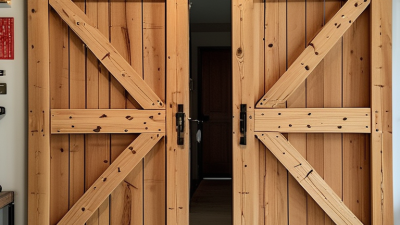
A double-door kit uses two panels that meet in the middle of a wider opening. It typically includes a longer track and two roller sets. A bypass configuration places doors on parallel tracks, letting one panel slide behind the other. This can work for closets with limited side clearance, but the opening is never fully clear. Space matters.

Some kits add soft-close components, decorative hangers, or floor guides designed for different door edges. These features affect installation and compatibility, not just appearance. Measure the door thickness, opening width, and clear wall area before choosing. The track also needs suitable structural support; drywall alone may not hold its fasteners securely. Check twice. A common oversight is forgetting handles or the extra clearance needed above the door. Kit descriptions can vary, so compare the included parts list with your actual setup. A small mismatch can mean another trip for hardware.

What Is a Barn Door Kit and What Does It Include? - Common Barn Door Kit Configurations

Configuration Typical arrangement Common kit components Items often sold separately and planning notes
Single-door kit One door slides along a track mounted above the opening, usually to one side. Track, roller hangers, track stops, anti-jump devices, floor guide, and mounting hardware. The door slab and handle are often separate. Track length and mounting method should suit the door width, wall space, and wall structure.
Double-door kit Two doors meet near the center of a wide opening and slide outward in opposite directions. A track system sized for two doors, roller hangers for both doors, stops, anti-jump devices, floor guides, and mounting hardware. Both door slabs and handles may be separate. Check that there is enough clear wall space on both sides for the doors to open fully.
Bypass kit Two doors travel on parallel tracks, allowing one door to slide in front of the other. Two track paths or a bypass track assembly, compatible hangers, stops, anti-jump devices, and floor guides. Doors, handles, and any required spacers or mounting board may be separate. The overlapping arrangement is useful where wall space beside the opening is limited.
Bi-parting kit Two doors slide away from the center toward opposite sides of the opening. Track or tracks sized for both panels, hangers, stops, anti-jump devices, floor guides, and mounting hardware. Door slabs and handles are often separate. Confirm that each side has enough wall clearance for its door panel.
Soft-close configuration A single or paired-door arrangement with a damping mechanism that slows the door near the end of travel. Base sliding-door hardware plus compatible soft-close units and the required mounting parts. Soft-close hardware may be an add-on rather than part of the standard kit. Verify compatibility with the track system, door weight, and opening direction.
Basic hardware kit: what to check Hardware packages vary, but a standard kit generally provides the parts needed to suspend and guide the specified door arrangement. Common parts include a track, rollers or hangers, stops, anti-jump devices, a floor guide, and fasteners. Door slabs, handles, locks, decorative trim, and structural backing are commonly not included. Read the parts list and ensure the track can be securely fastened to suitable framing or backing.

Factors That Affect What a Kit Includes

A barn door kit is not a fixed bundle. Its contents depend on the door’s size, weight, track length, and mounting surface. A basic single-door package commonly includes a rail, hangers, stops, a floor guide, and mounting hardware. The door slab, handle, header board, and soft-close mechanism may cost extra. Check the written parts list. Product photos can show items that are not included.

Door weight and configuration matter. A heavier slab needs hardware rated for its load, while a double-door or bypass setup usually needs additional track components. Wall construction matters, too. Fasteners for wood framing may not suit masonry, and a header board may be needed when studs do not align with the rail. ANSI/BHMA A156.14 sets performance requirements for sliding and folding door hardware; it does not make retail kit contents uniform. Small parts matter.

Budgeting deserves a closer look. The 2024 U.S. Houzz & Home Study reported median renovation spending of $24,000 in 2023. That figure does not predict barn door kit prices, but it shows why missing hardware and installation costs belong in the project estimate. I would verify the door’s weight rating, included fasteners, and guide type before ordering. One detail is easy to miss: some kits assume the door is purchased separately.

What’s Typically Included in a Barn Door Hardware Kit?

Typical quantities in a single-door hardware set. Exact contents vary by kit design and installation requirements.

A basic kit commonly includes a track, two rollers, stoppers, anti-jump devices, and a floor guide. The door itself, handle, and suitable mounting fasteners may be sold separately. Track length, door weight, mounting surface, and optional soft-close features can affect what is included.

This website uses cookies to ensure you get the best experience. By continuing to browse on this website, you accept the use of cookies for the above purposes.